
You just went into a contract to buy a home, and now it’s time to get a mortgage loan to close escrow. If you decide to ask your local credit union or bank for mortgage info, make sure to read all the fine print. Here is some practical information to be aware of before you commit…
Credit unions and banks all have a profit motive, particularly banks. Granted everybody is out to earn a profit, however, a big bank generally has a corporate culture, subsequently has a board, and shareholders they must appease. A big bank is interested in one thing only- turning a profit. That is their sole objective, and it is how they operate in everything they do. Credit unions are similar in the sense these companies offer mortgage loans, car loans, checking accounts, banking accounts, financial planning services, and all the other financial bells and whistles to their members with the objective of a bottom line. Getting a mortgage loan is probably the most high-ticket form of purchase you’ll ever make in your life. Doing it with a bank or a credit union just because they can do them and just because the interest rate and pricing and terms might sound attractive, doesn’t necessarily mean that you should, and here’s what you need to know.
Most banks and credit unions do not have an appetite for lending risk. That means unless your scenario is 110% squeaky, clean perfect, even if your debt ratio is in alignment with Fannie Mae and Freddie Mac guidelines, the banks still might not want to do your loan if your debt-to-income ratio is greater than 43% which represents a qualified mortgage.
Some do not have an appetite for loans bought and sold to Fannie Mae and Freddie Mac because of investor overlays. An investor overlay is something a bank or credit union and some mortgage companies have that says, even though the guideline is X, we have an additional layer of credit due to our personal appetite for risk. Mortgage companies do this to minimize risk in the secondary market when they sell the loan, or to make sure the loan that they’re originating is of the highest possible financial caliber. As a result, this could impact you potentially having to put more money down, having to pay off additional debt, or risk not being able to buy the house at all due to these stringent requirements. A loan representative at a bank or credit union is paid a salary. If your loan closes on time, they’re paid the same if your loan doesn’t close on time, they’re paid the same.
Banks and credit unions may not have a vested interest in making sure your loan not only closes on time but could cause you to exceed contractual time frames, which could subsequently work against you if you are renegotiating contract terms. Another element is being able to regularly reach a knowledgeable human. Reaching a proactive knowledgeable mortgage professional could be key in getting quick, fast information when there’s money on the line. Communication is everything in a real estate transaction. An alternative may be a forward-thinking lender who can help you with the current transaction as well as identify future opportunities to refinance in the future and lower your cost of funds over time. Ultimately as a consumer, the choice is yours. Generally, when a mortgage offer is so juicy there always is a cost associated with it. The question is- can you absorb that cost?
Looking to buy a house? Get a no-cost quote today!
Share:
RELATED MORTGAGE ADVICE FROM SCOTT SHELDON
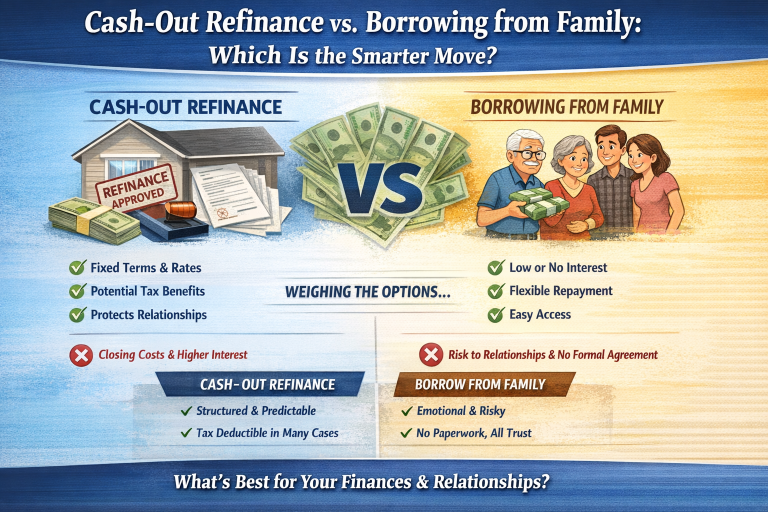
Cash-Out Refinance vs. Borrowing from Family: Which Is the Smarter Move?
You’ve built equity in your home. Maybe a lot of it. At the same time,…
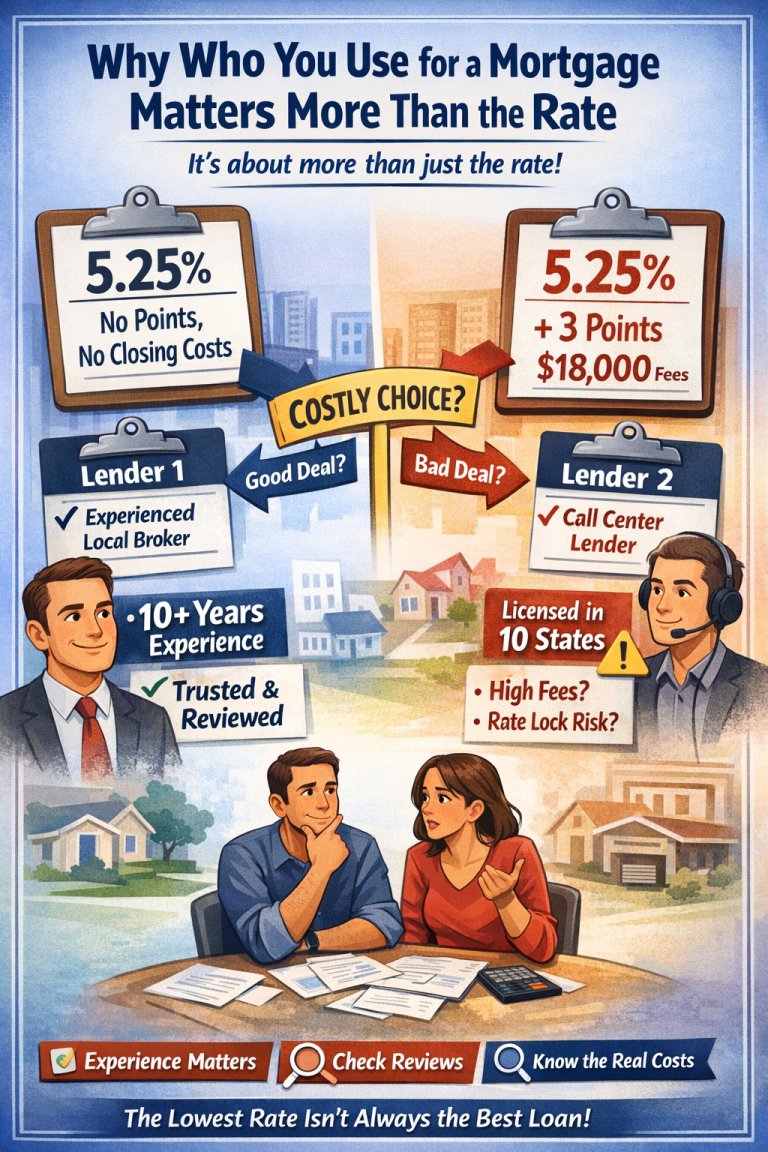
Why Who You Use for a Mortgage Matters More Than the Rate
Who you use for a mortgage loan matters. Let’s walk through a very real scenario…

On Hold or Just Unsure? Why You Wanted to Buy in the First Place
Every so often, someone gets pre-approved, looks at homes, runs numbers… and then says, “We’re…

Should You Pay Off Credit Cards Before Buying a Home?
One of the most common objections home buyers provide is this: “I want to wait…
View More from The Mortgage Files:
begin your mortgage journey with sonoma county mortgages
Let us make your mortgage experience easy. Trust our expertise to get you your best mortgage rate. Click below to start turning your home dreams into reality today!