
Purchasing your first home or even a move-up home is no easy feat. You need to have a blend of credit, income, and manageable monthly expenses so you can support the desired house payment you’re looking to take on.
The number one reason why people have a difficult time getting qualified to purchase a home, it’s not income and it’s not credit and it’s not down payment, it’s debt.
Our banking system supports a common belief if you don’t have the cash for something that’s ok just finance it. Taking the debt service approach for such items as a car loan, for example, depending on the payment amount may not be a bad idea, but if you start applying this concept in the other areas such as credit cards, student loans, and the like you may be biting off more than you can chew. The good news is there are other options to make the high ticket home purchase attainable.
The following are ways to improve your borrowing power if the debt is inhibiting your ability to take on a mortgage to buy a home…
1. Pay off the debt Working with as little as 10% down for example? That’s ok, maybe use 3% of the cash to pay off consumer debt which could shape your ability to get into a different price point and subsequently into a different neighborhood
2. Work with a different loan, for example, moving from an FHA loan to a conventional loan or vice versa could be another way to improve your borrowing power so the debt you might have does not hurt your ability to qualify
3. Refinance the debt and consolidate it for example if you have 10-15 different credit cards spread out over multiple different types of credit accounts if you were to consolidate all those onto one card, for example, all of your minimum monthly payments would go down which is the number that lenders used to qualify you.
4. Get gift money use the gift money to pay off debt similar to option 1.
Remember banks and mortgage lenders use the minimum payment on credit accounts. It doesn’t matter how much debt you have it’s the minimum payments on the debt that counts. Contrary to popular belief a mortgage loan is not made against the house it’s secured against the house but it’s made directly against your ability to repay i.e. income.
The minimum payments on the obligations you pay directly support your ability to handle a mortgage payment. As a general rule of thumb, conventional loans will let you go up to half of your income in mtg payment + expense. FHA and VA loans will allow you to go as high as 56% of your gross monthly income.
Looking to buy a home? Get a no-cost quote now.
Share:
RELATED MORTGAGE ADVICE FROM SCOTT SHELDON
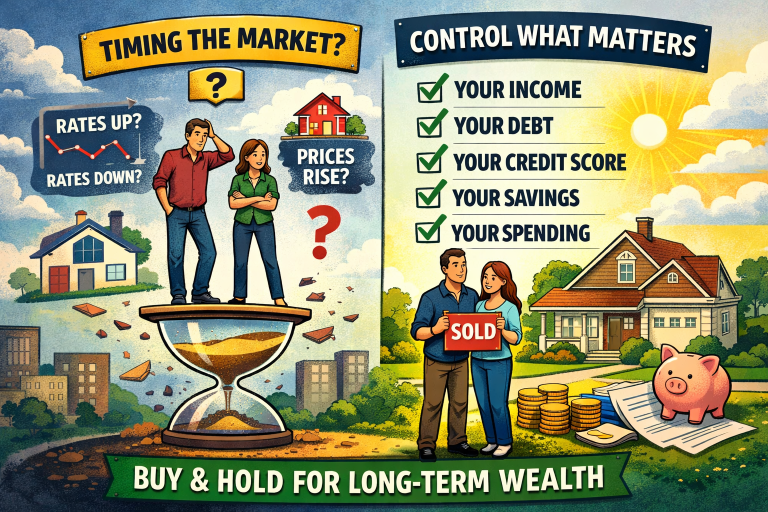
Why Timing the Housing Market Doesn’t Work (And What Actually Does)
Let’s start with a simple idea: trying to perfectly time the housing market is not…
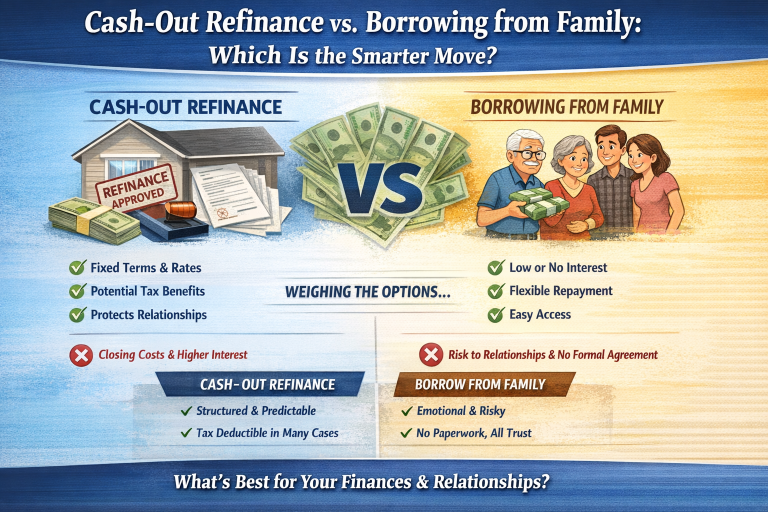
Cash-Out Refinance vs. Borrowing from Family: Which Is the Smarter Move?
You’ve built equity in your home. Maybe a lot of it. At the same time,…
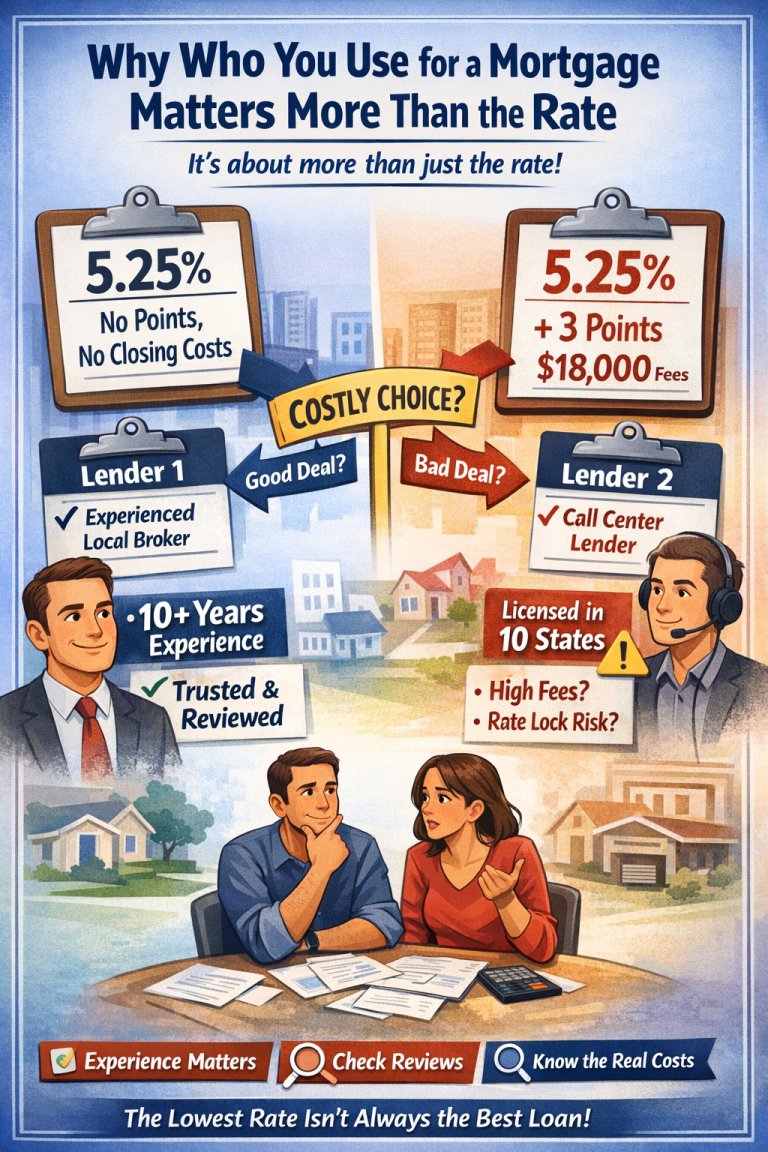
Why Who You Use for a Mortgage Matters More Than the Rate
Who you use for a mortgage loan matters. Let’s walk through a very real scenario…

On Hold or Just Unsure? Why You Wanted to Buy in the First Place
Every so often, someone gets pre-approved, looks at homes, runs numbers… and then says, “We’re…
View More from The Mortgage Files:
begin your mortgage journey with sonoma county mortgages
Let us make your mortgage experience easy. Trust our expertise to get you your best mortgage rate. Click below to start turning your home dreams into reality today!