
To purchase a rental property the consensus down payment needed 20%. However, the requirement to purchase a rental property is much lower than you think. Here’s what you need to know if you’re buying a rental property….
To purchase a property for rental income purposes 15% down is the requirement. If you’re purchasing a rental property and the property is more than one unit such as a two or three-unit property you must put down a minimum of 25%.
An additional benefit for purchasing a rental property with 15% down is that Fannie Mae and Freddie Mac will allow you to use proposed fair market rents to qualify to offset the mortgage payment meaning if your tax returns, pay stubs and or W-2s do not represent enough income to offset your other monthly liabilities including cars, credit cards, student loans etc. the rents generated by the property that you’re looking to purchase can be covered up to 75% of those gross rents.
For example, let’s say the mortgage payment on this new property you’re looking to purchase is $3,500 per month with taxes and insurance and PMI using 15% down. Let’s say the rents generated on this property is $4,500 per month. The lender would take a 25% vacancy factor and give you 75% of the fair market rents in additional income to qualify. Using this example that’s $3,375 per month. That means on paper the monthly liability for this purchase is $125 a month which is far easier to overcome and support then $3,500 per month reflective of the proposed total payment.
Purchasing a rental property means that you intend to rent the property out for income purposes. The property does not need to be tenant-occupied when you purchase the property and you can still use the projected fair market rents to qualify.
When you purchase a rental property with 15% down or 20% down the rates on rental properties are always going to be higher than if it was your intent to use the property as your primary residence. Typically, the spread between primary homes and rental homes in terms of rate are about 3/8 in rate difference.
When purchasing a rental property consider the long-term goals; is it for a longer-term investment to break even, cash flowing immediately, or appreciation or maybe all the above? It could make sense to purchase a rental property even if it only breaks even per month. Multi-family properties are a fantastic example of this as one side can offset the other side. Put another way if you have a 2-unit property and you have a vacancy in one of the units the rental revenue from the other unit offsets the vacancy.
Looking to buy buy or finance a rental? Begin now.
Share:
RELATED MORTGAGE ADVICE FROM SCOTT SHELDON
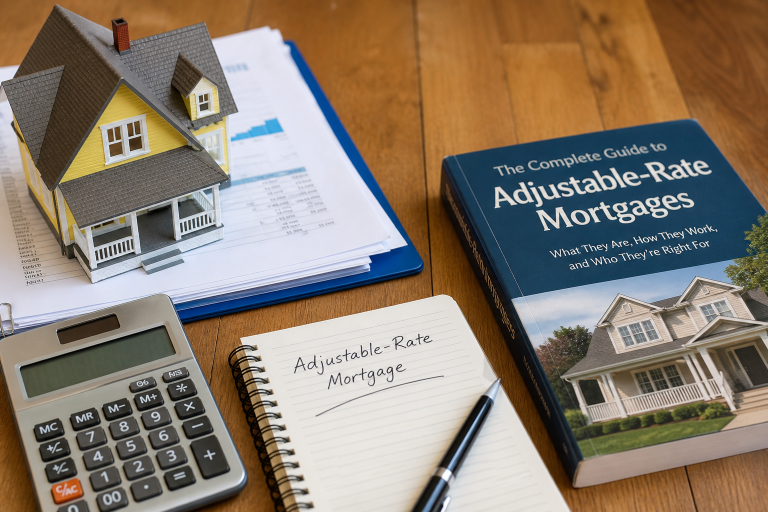
Should You Consider an Adjustable-Rate Mortgage? Who Is an ARM Appropriate For?
An adjustable-rate mortgage can save money for the right borrower, but only when the initial savings, timeline, and future payment risk all fit the plan.

What to Know About Getting a Mortgage Loan in a Community Property State With FHA or VA Financing
In a community property state such as California, a non-borrowing spouse’s debts can still affect FHA or VA mortgage qualification. Here is what buyers need to know.
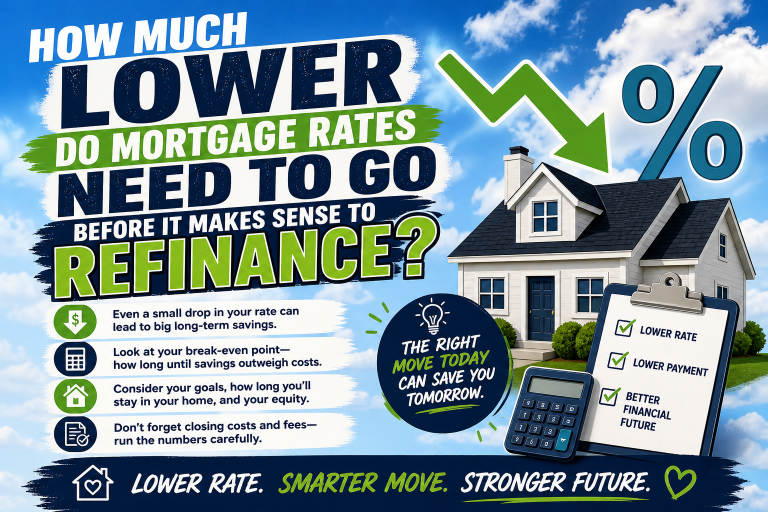
How Much Lower Do Mortgage Rates Need to Go Before It Makes Sense to Refinance?
A refinance is not about an arbitrary rate drop. Learn how loan size, costs, monthly savings, and break-even time determine whether it makes sense.
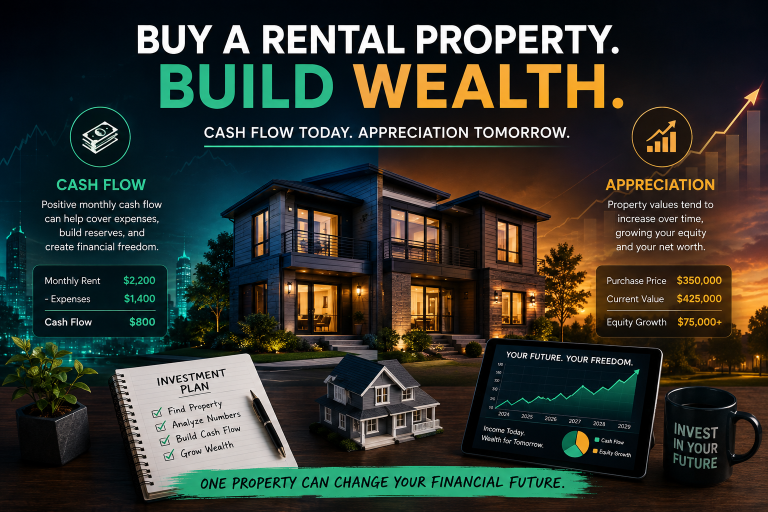
Should You Buy a Rental Property for Cash Flow or Appreciation?
Cash flow and appreciation can both build wealth through rental real estate, but they work differently. Learn how to balance income, equity, financing, and tax planning.
View More from The Mortgage Files:
begin your mortgage journey with sonoma county mortgages
Let us make your mortgage experience easy. Trust our expertise to get you your best mortgage rate. Click below to start turning your home dreams into reality today!