
If you’re self-employed and trying to get prequalified to buy a home period it is not only the income you show on paper, the total picture matters. Here’s what you need to know if you self employed and applying for a mortgage loan…
You’re your own boss, you don’t work for anyone else, and you have the luxury of setting your own income and your own future to some extent. One of the challenges self-employed individuals sometimes experience as it relates to getting pre-qualified to buy a home primarily rests around income. As a general rule of thumb the more income you show the easier it is to qualify for a mortgage, however, it also means having to pay more money in taxes whereas showing less income saves you money in taxes, but then hurts your chances of getting pre-qualified to buy a home. Showing a higher level of income for one or two years and paying the piper in terms of tax obligation in exchange for the ability to buy a home that will make you wealthier over time by virtue of equity accumulation and long-term tax deductions may be worth greater good.
That being said assuming you have enough income to qualify here are a few other issues self-employed people experience and what you must know if you’re trying to get pre-qualified for a home loan to buy a home. If you are self-employed and you have business debt specifically paid for by your business, must be identified via tax returns and bank statements to show the business actually pays the debt. The lender needs to see bank statements to show it specifically is paid from a business bank account. It is inconvenient, however, it means the difference between potentially being able to buy the home you want versus not. If for example you’re doing some creative tax planning with your mortgage company and let’s say you’re using the Freddie Mac one-year income tax return program.
It’s critical if you get your loan approved with your tax return when you go to submit that tax return the income remains the same. Providing the lender a certain level of income on a tax return and then submitting a different tax return to the IRS without telling the lender is particularly problematic especially if the reported income is lower, this sets you up for a problematic loan process as fewer income results in more cash down or more paying off debt to qualify or a reduced purchase price.
Every mortgage company in America uses automated underwriting and you’re going to have an easier time particularly if it’s on a conventional loan passing automated underwriting than you will if you’re looking at say a government loan with a lower credit score. The best practice going forward would be to not move debt around and if you do make sure the mortgage company is aware. Self-employed best practices show an appropriate level of income and or being willing to pay off a debt to qualify and or show your business specifically pays the business debt, so those debts don’t adversely affect your debt-to-income ratio and subsequently your purchasing power.
Looking to get a mortgage? Get A Mortgage Rate Quote!
Share:
RELATED MORTGAGE ADVICE FROM SCOTT SHELDON
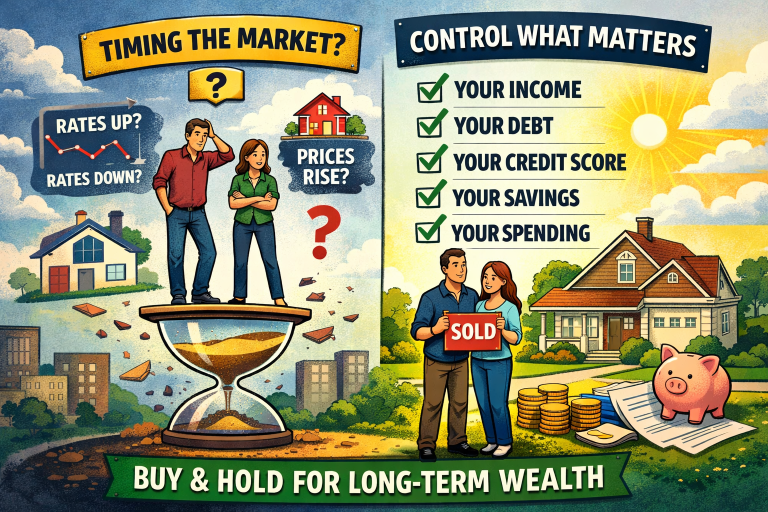
Why Timing the Housing Market Doesn’t Work (And What Actually Does)
Let’s start with a simple idea: trying to perfectly time the housing market is not…
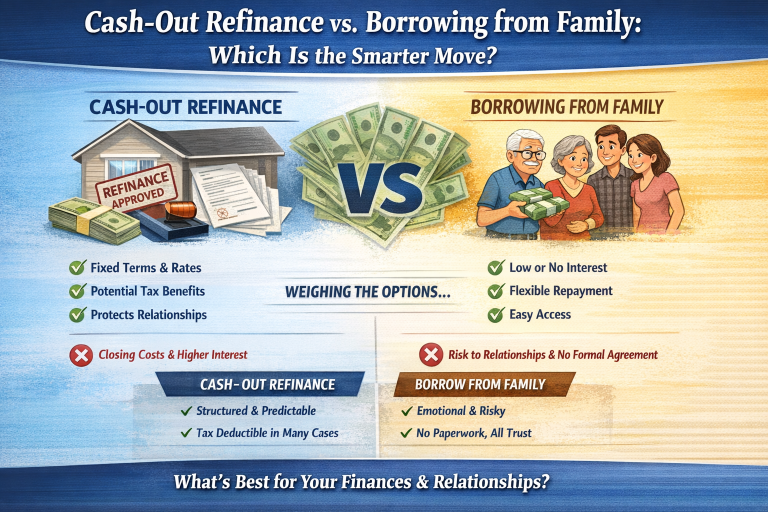
Cash-Out Refinance vs. Borrowing from Family: Which Is the Smarter Move?
You’ve built equity in your home. Maybe a lot of it. At the same time,…
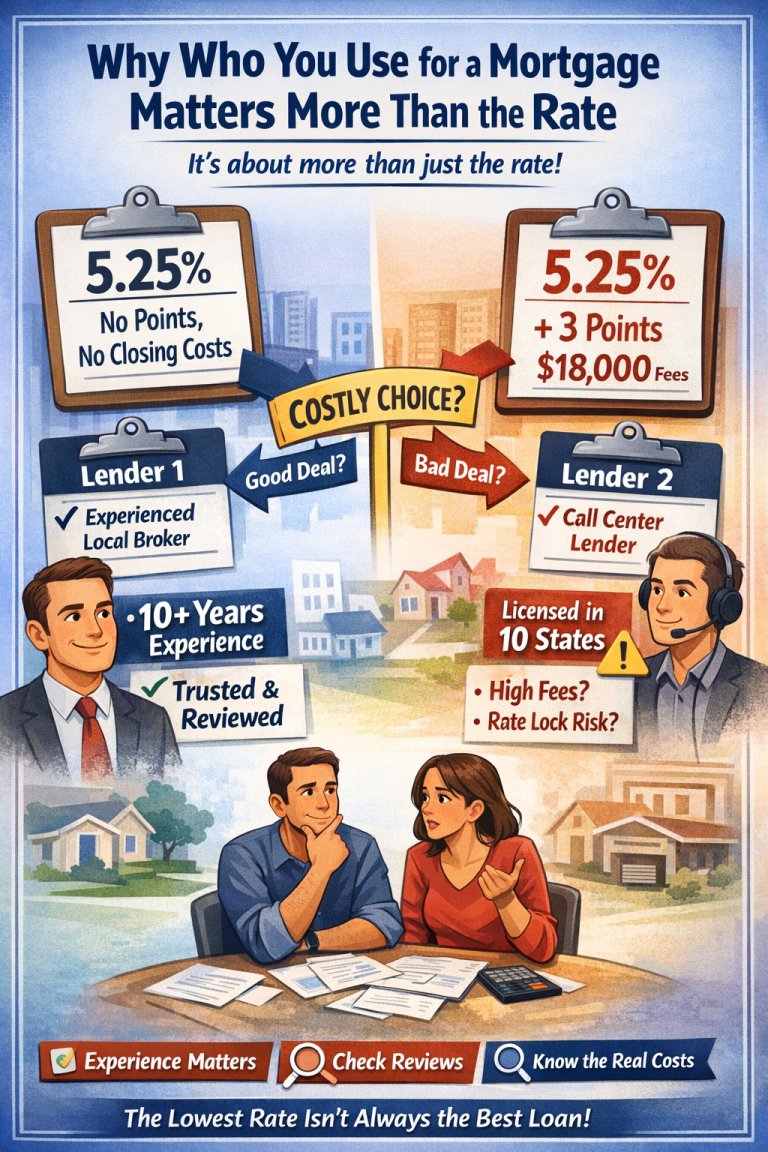
Why Who You Use for a Mortgage Matters More Than the Rate
Who you use for a mortgage loan matters. Let’s walk through a very real scenario…

On Hold or Just Unsure? Why You Wanted to Buy in the First Place
Every so often, someone gets pre-approved, looks at homes, runs numbers… and then says, “We’re…
View More from The Mortgage Files:
begin your mortgage journey with sonoma county mortgages
Let us make your mortgage experience easy. Trust our expertise to get you your best mortgage rate. Click below to start turning your home dreams into reality today!