
It’s no surprise that interest rates drive the housing market. If more people can buy a home, more demand is created and more demand drives housing prices up, which subsequently results in gaining home equity. Following are the dynamics that transpire in the market when interest rates come down…
Homeowners stand to gain more equity
Here is how and why… when you own a home your equity is defined as the current market value, less whatever you owe on the property. If the property rises in value, you subsequently have more equity thereby making you wealthier—home equity as a driver of the net worth. When you have more equity, doors begin to open, and you start having more financial choices with regard to investments, planning, borrowing, and debt management. More specifically with more equity in your home, your loan to value meaning how much you owe on your home to what the home is worth drops when this number drops you become more lendable and more creditworthy. When you’re more creditworthy, you get better terms to borrow money. When this occurs, you also can refinance, lower your monthly payment, pull cash out of your property, pay off debt to home improvement, or perhaps buy additional real estate with sound leverage. All of this is a byproduct of interest rates dropping fueling demand. When rates drop all the above-described options become available to you as a homeowner. Additionally, you’ll get the ability to potentially sell the home and get more equity, and if it’s a primary home and you’ve lived there two out of the last five years you have up to a $250,000 capital gains exclusion.
How equity is created by forwarding you a financial benefit
Equity is created when you pay down the principle of your mortgage. Home equity is single-handedly the biggest driver of wealth in America within housing—home appreciation. Typically, on average homes appreciate 1 to 2% per year. Regardless of interest rate movement, that typically occurs and has throughout history. However, this can be a bit skewed when interest rates are higher. When interest rates come down people spend because their cost of funds is lower. Add in stronger demand for housing and you have a recipe for wealth accumulation. Demand increases prices when the prices rise and homes sell for over asking other homeowners who reap all the benefits.
When you purchase a home, you get to write off all your interest (too 800k on a primary home) and property taxes, you reap pay the loan down benefit working for you plus you get the home equity. So, there are four drivers of wealth just by buying a house alone independent of where current mortgage rates are. Then when you factor in interest rates, coming down in the future, all of these benefits, amplify and become enhanced further, opening more doors that could result in making you more wealthy faster.
Looking to buy a home? Get a no-cost quote today!
Share:
RELATED MORTGAGE ADVICE FROM SCOTT SHELDON
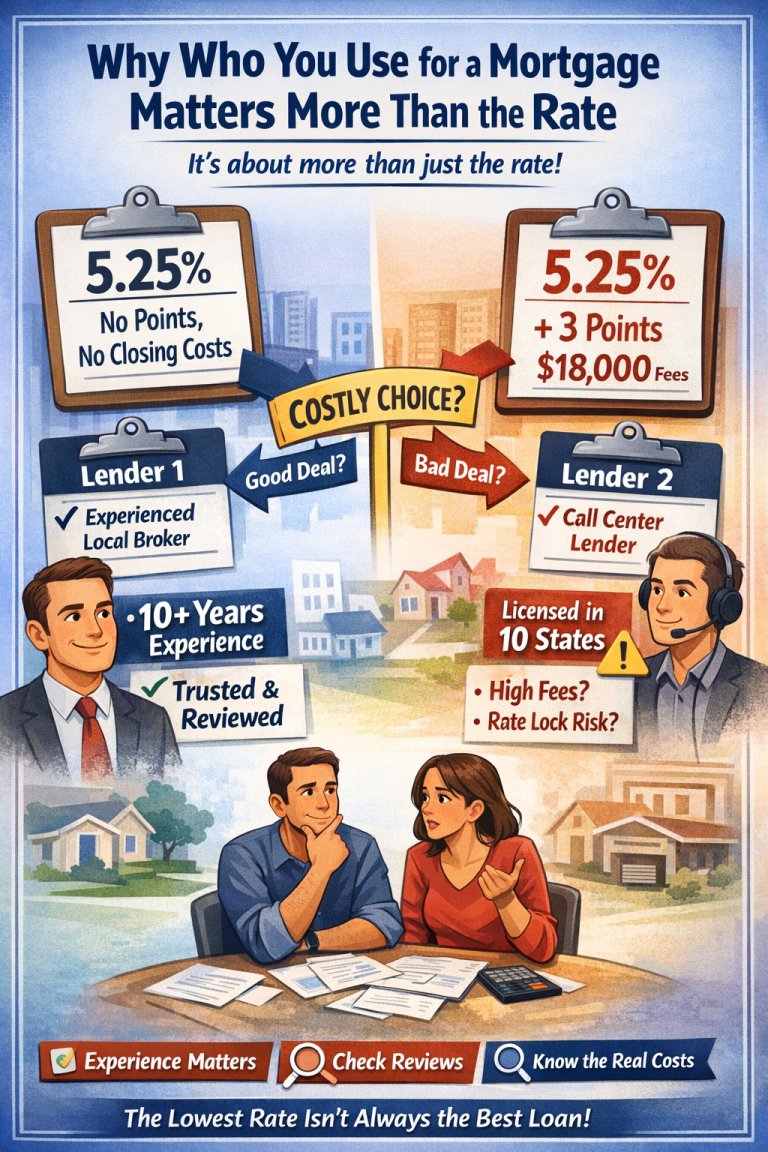
Why Who You Use for a Mortgage Matters More Than the Rate
Who you use for a mortgage loan matters. Let’s walk through a very real scenario…

On Hold or Just Unsure? Why You Wanted to Buy in the First Place
Every so often, someone gets pre-approved, looks at homes, runs numbers… and then says, “We’re…

Should You Pay Off Credit Cards Before Buying a Home?
One of the most common objections home buyers provide is this: “I want to wait…

Building on Land or Manufactured Homes – The Hidden Costs You Need to Know
For many buyers, the idea of buying a vacant parcel of land and building their…
View More from The Mortgage Files:
begin your mortgage journey with sonoma county mortgages
Let us make your mortgage experience easy. Trust our expertise to get you your best mortgage rate. Click below to start turning your home dreams into reality today!