
If you’re thinking about doing any kind of a mortgage loan to purchase or refinance a home, and your credit needs some work, that might be a sign to pull back, and it also might not. Here are some things to consider that go in correlation with getting a mortgage beyond your credit score.
Let’s say you’re prequalified to get a mortgage loan. You qualify for the loan, the payment is low enough, and the terms are in alignment with a healthy budget that still allows you to save money. You, however, because you don’t like the current interest rate take this approach “I don’t want to do anything because I’m working on my credit”. Well, that may or may not be beneficial. Here’s the reality if your credit score is that low it is probable you probably don’t have the expertise to get your credit score radically higher without help and yes, it’s OK to ask for help from a professional. You want a mortgage professional, who understands the intricacies of credit and conveys to you properly what debts to pay off to get your credit score higher if there’s actually a net tangible benefit.
Here are a few examples…
- Your loan does not pass automated underwriting. All mortgage companies use the automated underwriting by Fannie Mae or Freddie Mac . If it doesn’t pass it would make sense to get your credit score up.
- Your credit score is 600 or under. In this situation, it does make sense to get your credit score up because the costs of the mortgage loan can be expensive here which means the seller of the property might have to cover these costs. If you’re refinancing, it could end up being a high-cost loan, and you might not be able to get the loan at all because of the cost associated with this present mortgage environment.
- You need a jumbo loan, but your credit score is not quite 680 maybe it’s 660. That would absolutely be of benefit to get your Fico score up to 680 as most jumbo mortgage loans require a 680-credit score.
- You’re looking to buy a condominium, but your credit score is less than 700 on a conventional loan. Get your credit score up to 10 or 15 points or whatever the case is in order to do a conventional loan on a condominium.
Here’s the situation where we are getting a credit score up that doesn’t make sense…
- Your credit score is 720 or higher and you’re just personally upset that it’s not 800. There’s no financial benefit to making a change to your credit score on a conventional loan.
- Your credit score is 620- 700 and you’re getting an FHA loan. Same thing there’s really no net tangible benefit to getting a higher credit score.
- Your score is 620, but for whatever reason you don’t want the FHA loan that you’re preapproved for, you decide you want a conventional loan even though the FHA loan is fixed rate loan that can help you right now and has a payment similar to a conventional loan, again, no financial benefit.
Just because your credit score is lower than where you think it needs to be does not necessarily mean it makes sense to get your credit score up. Sometimes it does make sense other times it doesn’t oddly enough about 70% of the time it doesn’t make sense to get the credit score up in most situations. The Internet is a plethora of information and there’s so much wrong information out there, but it can be overwhelming for most consumers, who end up being over-informed, and under-educated about the real net tangible benefit of getting a credit score up as it relates to getting a residential mortgage loan to purchase a refinance a home.
Get a no cost mortgage quote today!
—
Share:
RELATED MORTGAGE ADVICE FROM SCOTT SHELDON

blog idea
Does to make sense to cash refinance to consolidate debt? How to use child support…

Could FHA Mortgage Insurance Be Reduced Again? Here’s What Homebuyers Should Know
If you’ve been thinking about buying a home with an FHA loan, you may have…
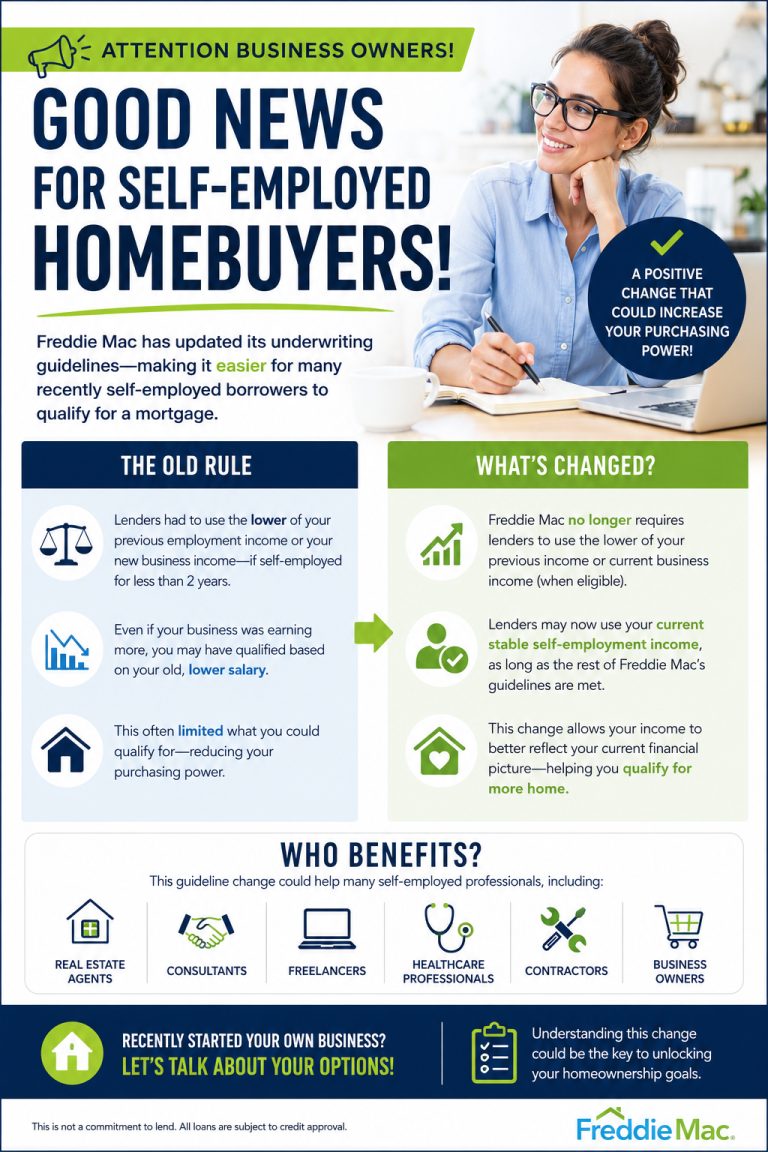
Freddie Mac Makes It Easier for New Self-Employed Borrowers to Qualify for a Mortgage
If you’ve recently started your own business, there’s some good news that could make qualifying…

How to Qualify for the Arrive Home Earned Equity Program in 2026
Buying a home can feel overwhelming, especially if you’re worried about your credit score, down…
View More from The Mortgage Files:
begin your mortgage journey with sonoma county mortgages
Let us make your mortgage experience easy. Trust our expertise to get you your best mortgage rate. Click below to start turning your home dreams into reality today!