
Many of the mortgages being made today contain higher loan to values. These loans contain inherent “risk based pricing” which causes the rates to change.
What is loan to value anyway?
The loan to value (LTV) is defined as the amount of money you’re borrowing against the value of your the property expressed as a percentage of the transaction as a whole. For example borrowing $200,000 against a property worth $300,000, translates to a 67% loan to value.
Loan Amount ÷ property value= LTV
How loan to value affects the risk the lender takes in making the mortgage loan
Risked based pricing:
The bigger loan amount relative to the valuation of the property, the higher the risk.
The smaller loan amount relative to the valuation of the property, the less risk
The cost of risk on a higher loan to value loan is paid by either by the lender or the consumer.
The risk does not just evaporate. The cost of risk in making a mortgage loan boils down to how the amount of money being borrowed affects the interest rate. Everyone wants to minimize risk as much as possible.
Lender minimizes risk by offering the consumer a higher interest rate, as a result of the higher risk, they want to be paid accordingly.
Borrower minimizes risk by taking a lower interest rate and depending on the nature of the of the loan program and pays any fees to Fannie Mae or Freddie Mac in exchange for taking on the risk the lender otherwise would incur.
Or……
Lender and consumer mutually agree to share the risk by taking a middle of the ground interest rate.
Put another way, not the highest interest rate, not the lowest rate, but a reasonable rate justifiable for:
- Loan Program
- Loan Amount
- Property Type
- Credit Score
- Occupancy
Examples of how a higher loan to value on a conventional purchase and on a conventional refinance could affect the interest rate….
Property Value $400,000
Down Payment 5.0%
Interest Rate 3.75%
Loan To Value 95.00%
Loan Amount $380,000
Payment (P&I) $1,760
This conventional loan scenario also would include mortgage insurance as a result of the higher loan to value, lower down payment type financing. The cost of risk is two fold here; higher mortgage insurance, .25% higher in rate.
House Value $325,000
Loan Amount $380,000
Interest Rate 4.00%
Loan to Value 117.00%
Loan Amount $380,000
Payment (P&I) $1,814
The loan to value on this refinance is under the common Harp 2 Refinance program that allows homeowners to refinance without a loan to value restriction, the risk based pricing remains the same. You’ll notice another .25% higher in rate on a higher loan-to-value refinance transaction.
As a general rule of thumb expect changes to rate on conventional loans 75% loan to value or higher on purchase loans and refinance loans.
How reduce the cost of risk over the life of the loan
- Reduce the loan amount/borrow less
- If you have the cash, invest the cash into the transaction to recuperate your principal balance pay down by the interest rate and mortgage payment savings over time
- Change loan programs-conventional loans contain the highest risk based pricing, consider a more flexible loan such as government financing
- Finance the cost of reducing the interest rate over the life of the loan so long as you have a 1-2 year breakeven time by holding the loan/keeping the property
If you have a conventional loan scenario you’d like us to run, we can price out your loan to value and subsequent interest rate and determine the best course of action for your unique scenario.start by getting a complementary rate quote.
Share:
RELATED MORTGAGE ADVICE FROM SCOTT SHELDON
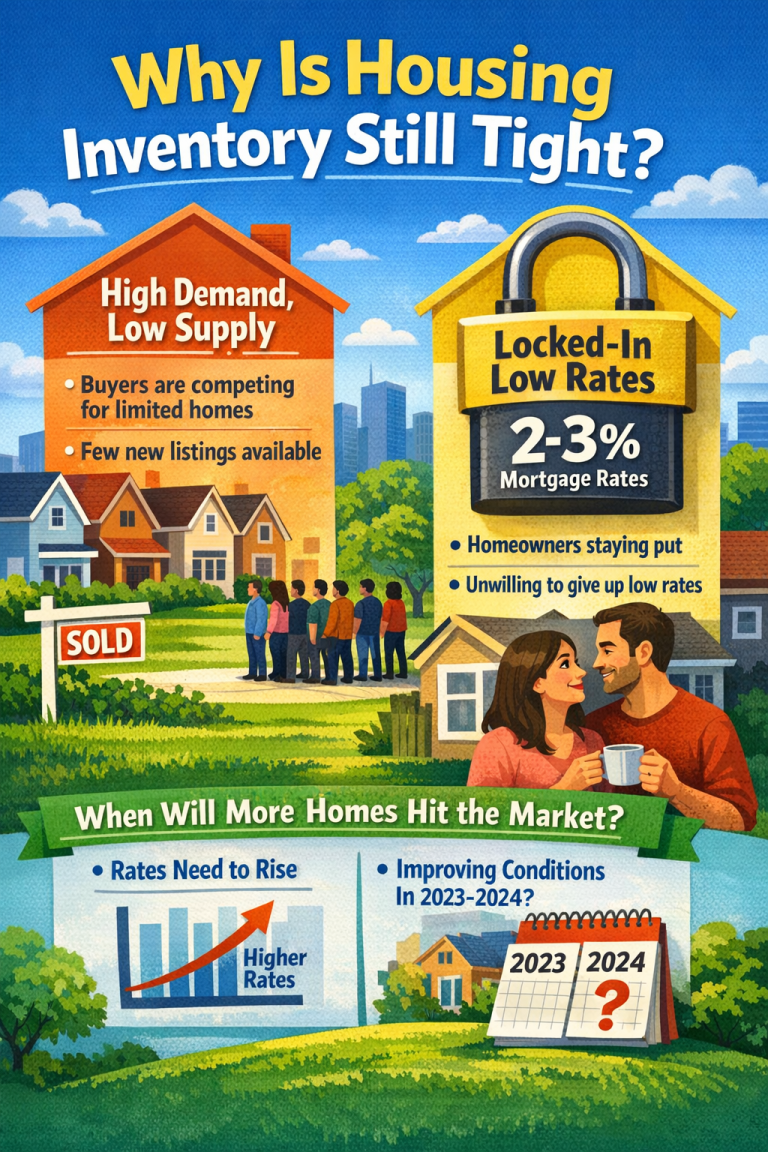
Why Housing Inventory Still Feels Tight—And What Interest Rates Have to Do With It
Let’s start with a simple but powerful scenario. A homeowner locked in a mortgage at…
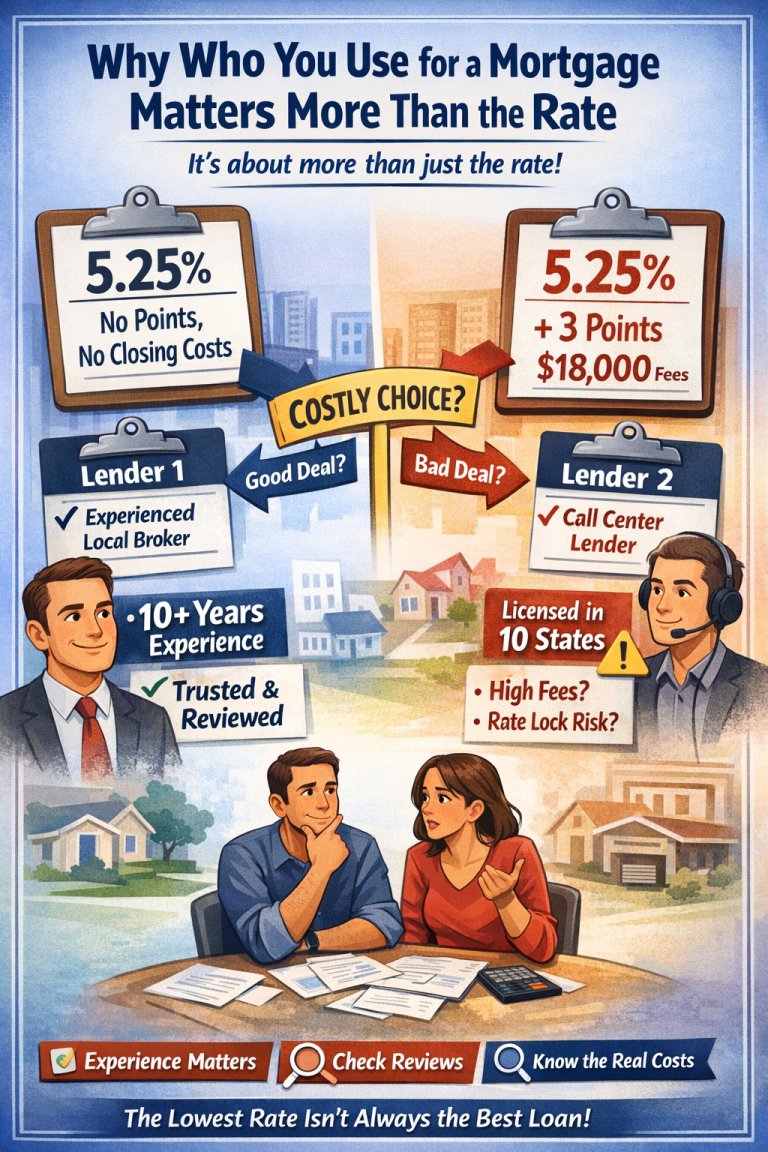
Why Who You Use for a Mortgage Matters More Than the Rate
Who you use for a mortgage loan matters. Let’s walk through a very real scenario…
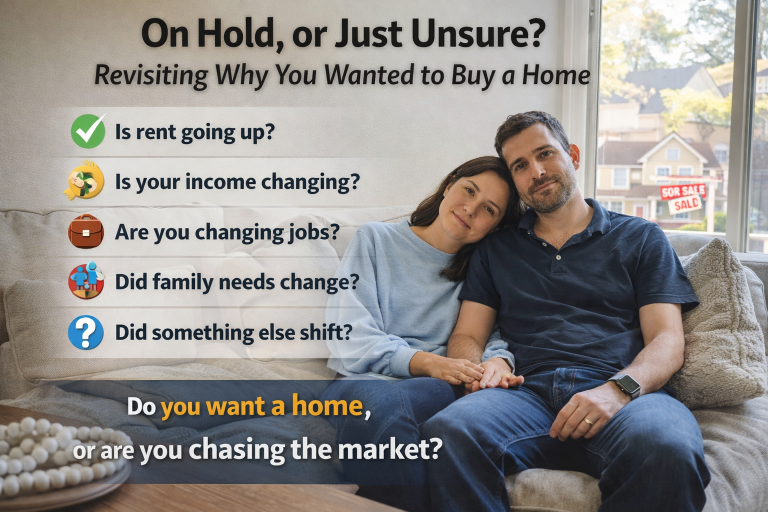
On Hold or Just Unsure? Why You Wanted to Buy in the First Place
Every so often, someone gets pre-approved, looks at homes, runs numbers… and then says, “We’re…

Building on Land or Manufactured Homes – The Hidden Costs You Need to Know
For many buyers, the idea of buying a vacant parcel of land and building their…
View More from The Mortgage Files:
begin your mortgage journey with sonoma county mortgages
Let us make your mortgage experience easy. Trust our expertise to get you your best mortgage rate. Click below to start turning your home dreams into reality today!