
How to Buy a New Home Without Selling First
One of the biggest challenges many homebuyers face today is wanting to buy a new home while still owning their current one. It’s an extremely common situation. You’ve built equity, you’re ready for the next chapter, but you can’t—or don’t want to—sell your current home before securing the next one.
When this happens, most buyers are told they must make a contingent offer. A contingent offer means your purchase of the new home depends on successfully selling your current home first. While this is a perfectly legal and common type of offer, it comes with a major downside: it often makes your offer less attractive to sellers.
In competitive markets like Sonoma County, California, contingent offers are frequently pushed to the bottom of the pile. Sellers generally prefer offers with fewer moving parts, fewer delays, and fewer unknowns. Even if your price is strong, a contingency can cause a seller to choose another buyer who appears more certain. This can make your agent’s job harder—and may cause you to lose out on homes you genuinely want.
Why Contingent Offers Can Hold You Back
From a seller’s perspective, a contingent offer introduces risk. If your current home doesn’t sell quickly, their transaction stalls. If the sale falls apart, the entire deal can collapse. Because of that uncertainty, sellers often favor clean, non-contingent offers, especially when inventory is tight.
That doesn’t mean contingent offers never work—but it does mean buyers should explore alternatives when possible.
How to Buy First and Sell Later
The good news is this: buying a new home without selling your current one first is absolutely possible with the right planning and the right mortgage strategy.
Some mortgage lenders offer creative programs designed specifically for buyers in this situation. One powerful option—offered by some lenders—is a jumbo mortgage program that allows you to purchase your new home without counting your current mortgage payment in your debt-to-income (DTI) ratio.
In simple terms, your existing home loan does not hurt your qualifying ability, as long as you intend to sell the home after closing.
How This Strategy Works
Here’s how it typically works:
You sign a straightforward affidavit stating that you plan to sell your current home after purchasing the new one. You must have sufficient liquid funds for the down payment on the new home without relying on the equity from your current property upfront. As long as those requirements are met, your existing mortgage payment is excluded from your DTI calculation.
This can significantly increase your purchasing power and make qualifying much easier. Most importantly, it allows you to make a strong, non-contingent offer, even though you still own your current home.
Loan amounts generally start around $500,000 and above, depending on the investor and overall financial profile.
Who This Works Best For
This type of program is ideal for buyers who have solid income, good credit, and enough liquidity to cover the down payment. It’s especially helpful for move-up buyers in higher-cost areas like Sonoma County, where flexibility and certainty matter more than ever.
By buying first and selling afterward, you can move into your new home without pressure, avoid trying to perfectly time two closings, and sell your old home when market conditions—and pricing—are right.
The Importance of the Right Mortgage Partner
Not all lenders offer programs like this, and even fewer know how to structure them correctly. This is not a one-size-fits-all solution, and experience matters. Working with a lender who understands advanced purchase strategies can be the difference between winning a home and missing out.
If you’re considering buying before selling, it’s critical to understand your numbers early. A quick review of your options can help determine whether this strategy fits your situation.
You can start by requesting a personalized review through my Sonoma County mortgage rate quote page to see what solutions may be available to you.
👉 Get a complimentary mortgage rate quote now!
Share:
RELATED MORTGAGE ADVICE FROM SCOTT SHELDON
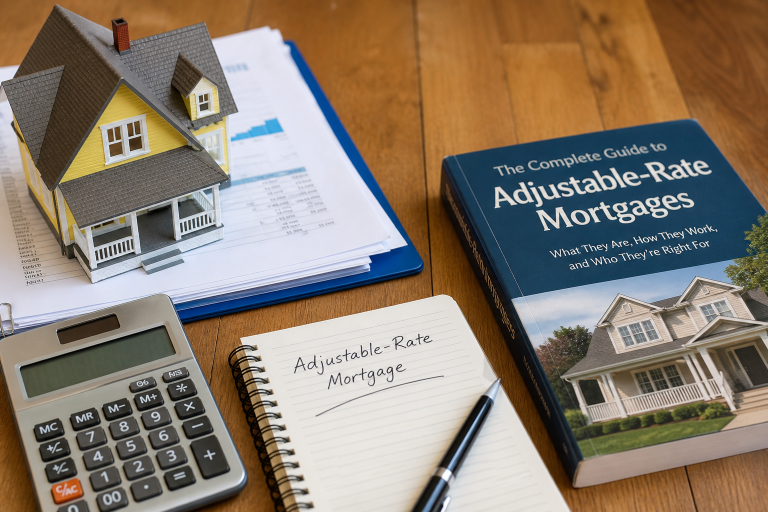
Should You Consider an Adjustable-Rate Mortgage? Who Is an ARM Appropriate For?
An adjustable-rate mortgage can save money for the right borrower, but only when the initial savings, timeline, and future payment risk all fit the plan.
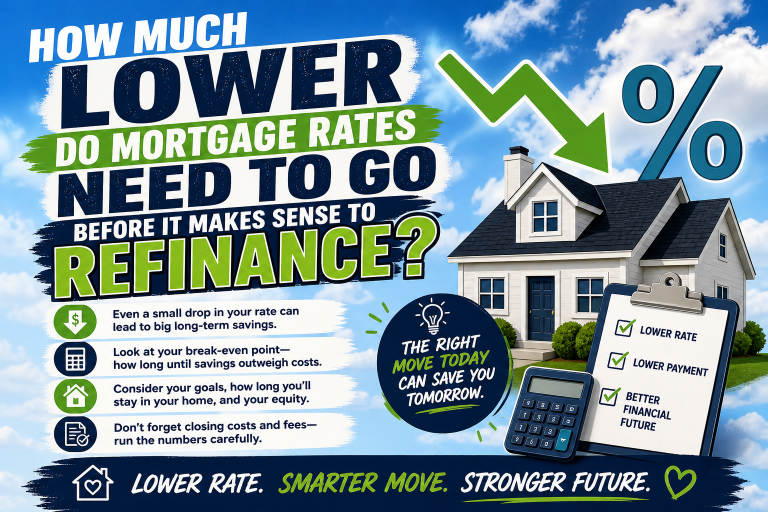
How Much Lower Do Mortgage Rates Need to Go Before It Makes Sense to Refinance?
A refinance is not about an arbitrary rate drop. Learn how loan size, costs, monthly savings, and break-even time determine whether it makes sense.
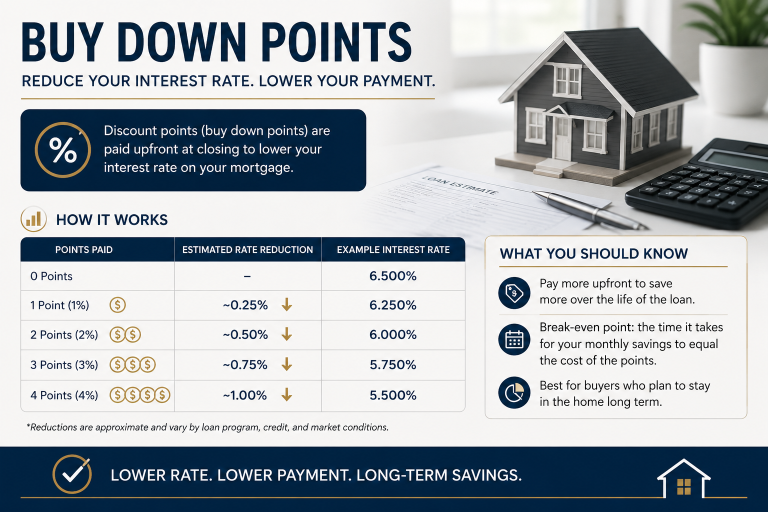
Rate Buydowns in Sonoma County: What Buyers Need to Know in 2026
Rate buydowns can lower a Sonoma County home payment, but temporary and permanent options work very differently. Learn what to compare before you commit.
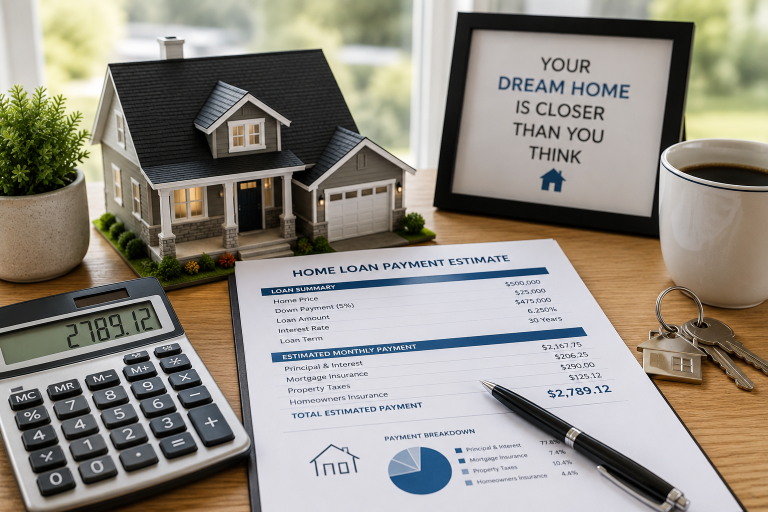
Could FHA Mortgage Insurance Be Reduced Again? Here’s What Homebuyers Should Know
If you’ve been thinking about buying a home with an FHA loan, you may have…
View More from The Mortgage Files:
begin your mortgage journey with sonoma county mortgages
Let us make your mortgage experience easy. Trust our expertise to get you your best mortgage rate. Click below to start turning your home dreams into reality today!