
The annual percentage rate is always higher than the actual interest rate, because the annual percentage rate takes into consideration all of the costs associated with financing including prepaid items such as property taxes, hazard insurance and mortgage interest lumps them all together against your loan and re-amortizes the figures over the life of the loan e.g. 360 months. Because the annual percentage rate is a function of the closing costs, the APR will always be higher than the interest rate unless you are seeking a no cost loan. A no cost loan has the same interest rate, same APR, but no-cost loans cost more because the higher rate you’ll get from the lender offsets the closing costs recapture. Learn more about no-cost loans.
The Annual percentage rate must be disclosed even on purchase transactions where the seller of the property is paying all of the closing costs. Lenders are under very constrictive regulations from the Fed which required them to send disclosures showing the higher APR than the interest rate even if there is no closing costs being paid by the borrower, the APR still needs to be transparent.
We advocate that since the interest rate itself is against the amount of money your borrowing over the life of the loan, then the interest rate itself is a much better barometer of whether or not you’re getting a good deal than trying to compare annual percentage rates. The Fed in creating the annual percentage rate disclosure wanted to make mortgage rate comparison shopping easier, but the opposite is the case because its the interest rate tied to the money being borrowed the creates the amount of interest paid over the life of the loan as well is what the monthly principal and interest payment is on a monthly basis.
Share:
Posted in: 2013 Home Buying, Low Rates, home buying, home loan refinance, loan disclosures
RELATED MORTGAGE ADVICE FROM SCOTT SHELDON
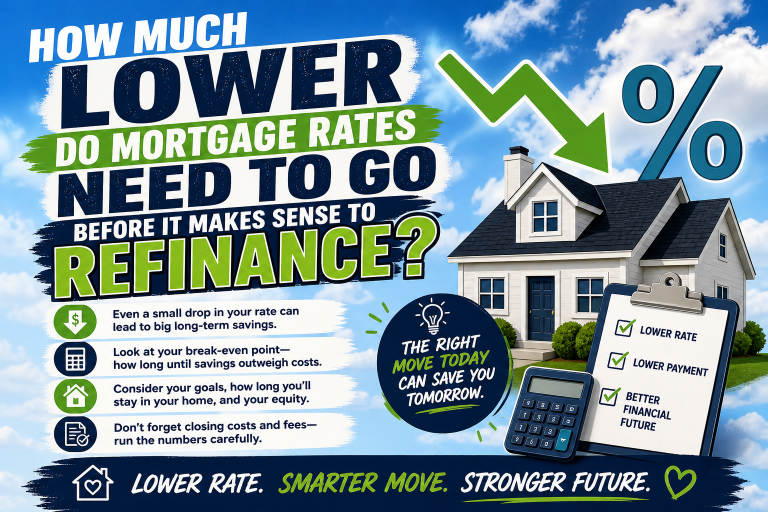
How Much Lower Do Mortgage Rates Need to Go Before It Makes Sense to Refinance?
A refinance is not about an arbitrary rate drop. Learn how loan size, costs, monthly savings, and break-even time determine whether it makes sense.
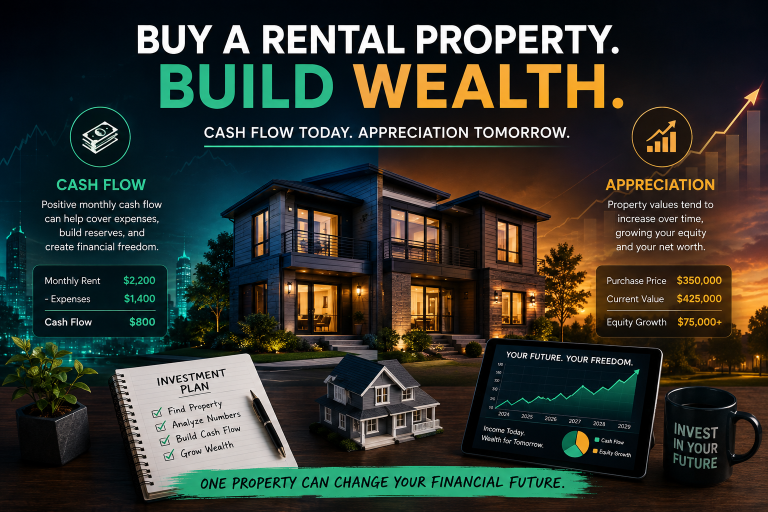
Should You Buy a Rental Property for Cash Flow or Appreciation?
Cash flow and appreciation can both build wealth through rental real estate, but they work differently. Learn how to balance income, equity, financing, and tax planning.

New Fannie Mae Departing Residence Rental Income Rules: What Homebuyers Need to Know
Fannie Mae’s 2026 departing-residence update changes how rental income may be documented when you keep your current home as a rental and buy another primary residence.

How to Buy a Home With a Financed Down Payment
A financed down payment program may help qualified buyers purchase with little or no down payment. Learn the payment tradeoffs and who it may fit.
View More from The Mortgage Files:
begin your mortgage journey with sonoma county mortgages
Let us make your mortgage experience easy. Trust our expertise to get you your best mortgage rate. Click below to start turning your home dreams into reality today!