
For years, one of the most frustrating limitations in FHA lending was the inability to use boarder income—that is, rent paid by someone living in your home—to help qualify for a mortgage. Fortunately, that has now changed. With the release of HUD Mortgagee Letter 2025-04, FHA has introduced updates that allow for the use of boarder income when underwriting a mortgage, provided that the borrower has a consistent history of receiving that income.
If you’re a homebuyer or homeowner who rents out a spare bedroom, this rule change could significantly boost your qualifying power. Here’s everything you need to know about how it works, what you’ll need to document, and the fine print that comes with it.
What Is Boarder Income?
Boarder income refers to rental payments received from someone who is renting a room or space inside the borrower’s primary dwelling unit. Importantly, this excludes income from an accessory dwelling unit (ADU), such as a converted garage or separate guest house on the property. The boarder must reside in the same dwelling as the borrower—think roommate, not tenant in a separate structure.
Why This Change Matters
Until now, boarder income has generally been disregarded in mortgage qualification due to its informal nature. That created a major roadblock for many buyers and homeowners who relied on room rental income to supplement their monthly finances.
Now, by recognizing this type of income, FHA opens the door for more buyers to qualify for home financing—especially in high-cost areas where multigenerational or shared living arrangements are common.
Who Can Benefit
-
First-time homebuyers who plan to rent out a bedroom to a roommate
-
Retirees supplementing fixed income by renting a room
-
Single-income households using shared housing to offset expenses
-
Homeowners refinancing who have taken on boarders to stay financially afloat
If you have a consistent history of receiving boarder income, it could now make the difference between qualifying and not qualifying for an FHA loan.
What FHA Requires to Use Boarder Income
To ensure the income is legitimate, FHA has established clear documentation guidelines:
-
Rental History Over the Past 12 Months
You’ll need to show that you’ve been receiving boarder income for at least the previous year. Consistency is key. -
Evidence of Rental Income Received for at Least 9 of the Most Recent 12 Months
This can be documented in one of two ways:-
Your personal tax returns, if you’ve reported the rental income
-
Or supporting financial records such as bank statements, canceled checks, or deposit slips showing regular payments
-
-
Proof the Boarder Lives With You
FHA requires documentation confirming that the boarder’s legal address matches yours. This can be done with a utility bill, lease agreement, or other proof of residency. -
A Written Agreement
A signed rental agreement must be in place outlining the terms and confirming the boarder’s intent to continue renting from you. -
Income Averaging
If you meet all the above requirements, the boarder income is averaged over the last 12 months—even if it was received for only 9 of those months. -
30% Income Cap
The total boarder income used to qualify cannot exceed 30% of the borrower’s total monthly qualifying income. This protects lenders by ensuring borrowers still rely primarily on their own earned income.
Example Scenario
Let’s say you earn $5,000 per month from your job and receive $1,200 per month from a roommate who rents a bedroom in your home. If you’ve documented this income for at least 9 of the last 12 months, and your roommate plans to stay, you can use a portion of that income toward your qualifying ratios.
However, FHA will only allow up to 30% of your total qualifying income to come from boarder rent. So, in this case, you could use up to $2,142 total in combined income from both sources—of which no more than $642 (30%) could be boarder rent.
What This Means for the Market
This rule update reflects a broader recognition of how Americans are actually living. With affordability pressures and rising home prices, more borrowers are turning to creative housing arrangements. FHA’s move to count boarder income toward qualifying income is a step toward reality-based underwriting.
It may also incentivize more homebuyers to consider shared living as a path to homeownership. Whether it’s taking in a friend, a sibling, or a long-term renter, this strategy can now provide real financial leverage when applying for an FHA loan.
Key Takeaway
If you’re earning boarder income and looking to buy or refinance a home with FHA financing, the latest 2025 guideline gives you new flexibility—as long as you can show a reliable payment history and your boarder plans to stick around.
Before moving forward, speak with an experienced mortgage lender who can walk you through the requirements and help you gather the necessary documentation. This isn’t a loophole—it’s a legitimate tool, and when used correctly, it can make homeownership a lot more attainable.
Final Thoughts
The inclusion of boarder income in FHA underwriting isn’t just a technical update—it’s a real solution for buyers who’ve been shut out of homeownership by rigid guidelines. It’s another reason to work with a knowledgeable mortgage pro who understands how to leverage evolving guidelines to your advantage.
Looking for a mortgage? Get a no cost quote now!
Share:
RELATED MORTGAGE ADVICE FROM SCOTT SHELDON
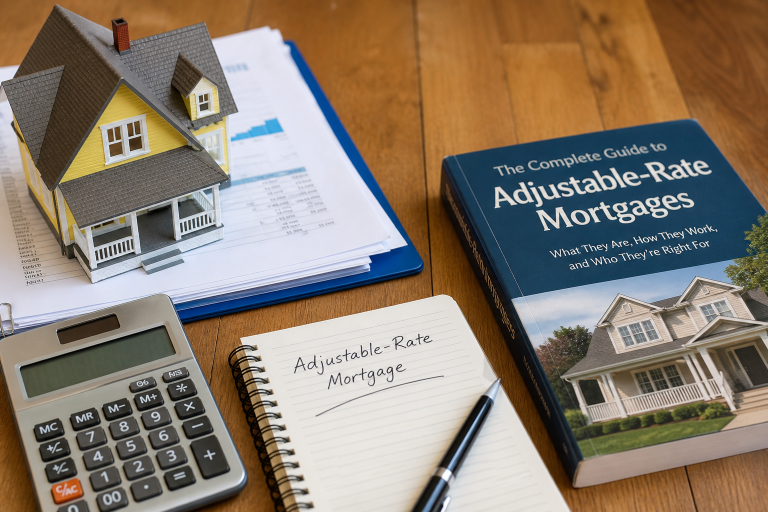
Should You Consider an Adjustable-Rate Mortgage? Who Is an ARM Appropriate For?
An adjustable-rate mortgage can save money for the right borrower, but only when the initial savings, timeline, and future payment risk all fit the plan.
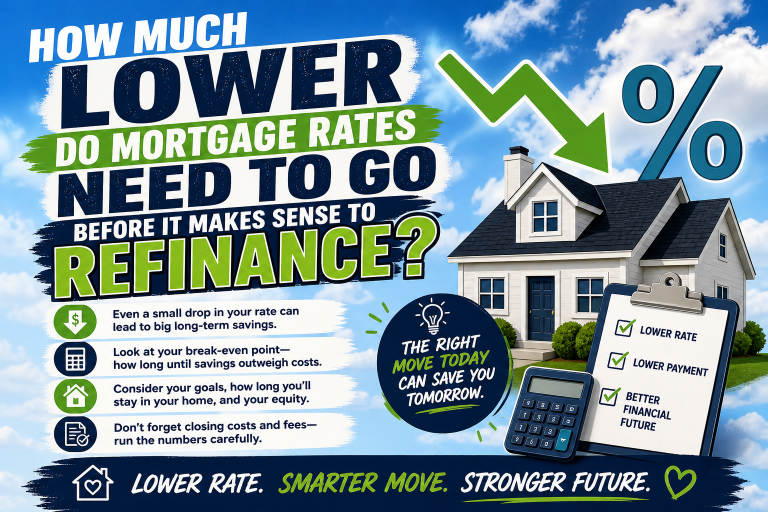
How Much Lower Do Mortgage Rates Need to Go Before It Makes Sense to Refinance?
A refinance is not about an arbitrary rate drop. Learn how loan size, costs, monthly savings, and break-even time determine whether it makes sense.

Should You Buy a Rental Property for Cash Flow or Appreciation?
Cash flow and appreciation can both build wealth through rental real estate, but they work differently. Learn how to balance income, equity, financing, and tax planning.
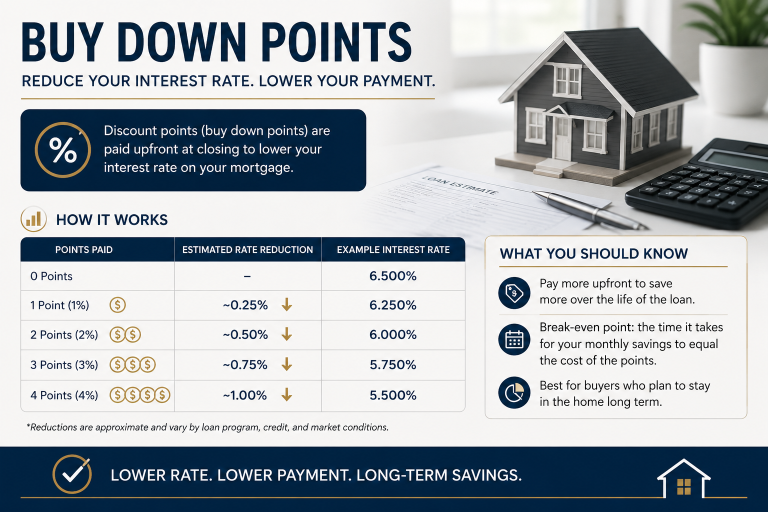
Rate Buydowns in Sonoma County: What Buyers Need to Know in 2026
Rate buydowns can lower a Sonoma County home payment, but temporary and permanent options work very differently. Learn what to compare before you commit.
View More from The Mortgage Files:
begin your mortgage journey with sonoma county mortgages
Let us make your mortgage experience easy. Trust our expertise to get you your best mortgage rate. Click below to start turning your home dreams into reality today!