

Everyone dreams of buying a home at just the right moment—when prices are low, rates are perfect, and the competition has cooled off. The reality? Perfect timing in real estate is nearly impossible. What you can do is focus on the practical factors that tell you when it’s the right time for you to buy,…

Owning a valuable home feels great—until your checking account says otherwise. Many homeowners are house-rich and cash-poor: sitting on significant home equity but struggling with day-to-day expenses. On paper, they look financially strong. In practice, they’re stretched thin. The key to long-term stability is finding balance—protecting equity while keeping your cash flow flexible and healthy.…

When Seller Carry Financing Makes Sense For some buyers, qualifying for a traditional mortgage isn’t always possible—or practical. Maybe the property is too unique for a conventional loan, or the buyer’s credit profile doesn’t meet lender standards. In specific cases like these, seller carry financing—also called seller financing or owner financing—can bridge the gap and…

Buying a home is often described as the ultimate step toward financial independence, but it isn’t always the best move for everyone. In some cases, renting provides more flexibility, better cash flow, and less stress than taking on a mortgage. Knowing when to rent instead of buy can save you money and help you stay…

For many homebuyers, getting a mortgage can feel like navigating a maze of paperwork and requirements. There are phone calls to return, documents to upload, and deadlines to meet. But when you boil it down, there are really only two key hurdles that can stop a loan from closing: the borrower’s credit and income, and…
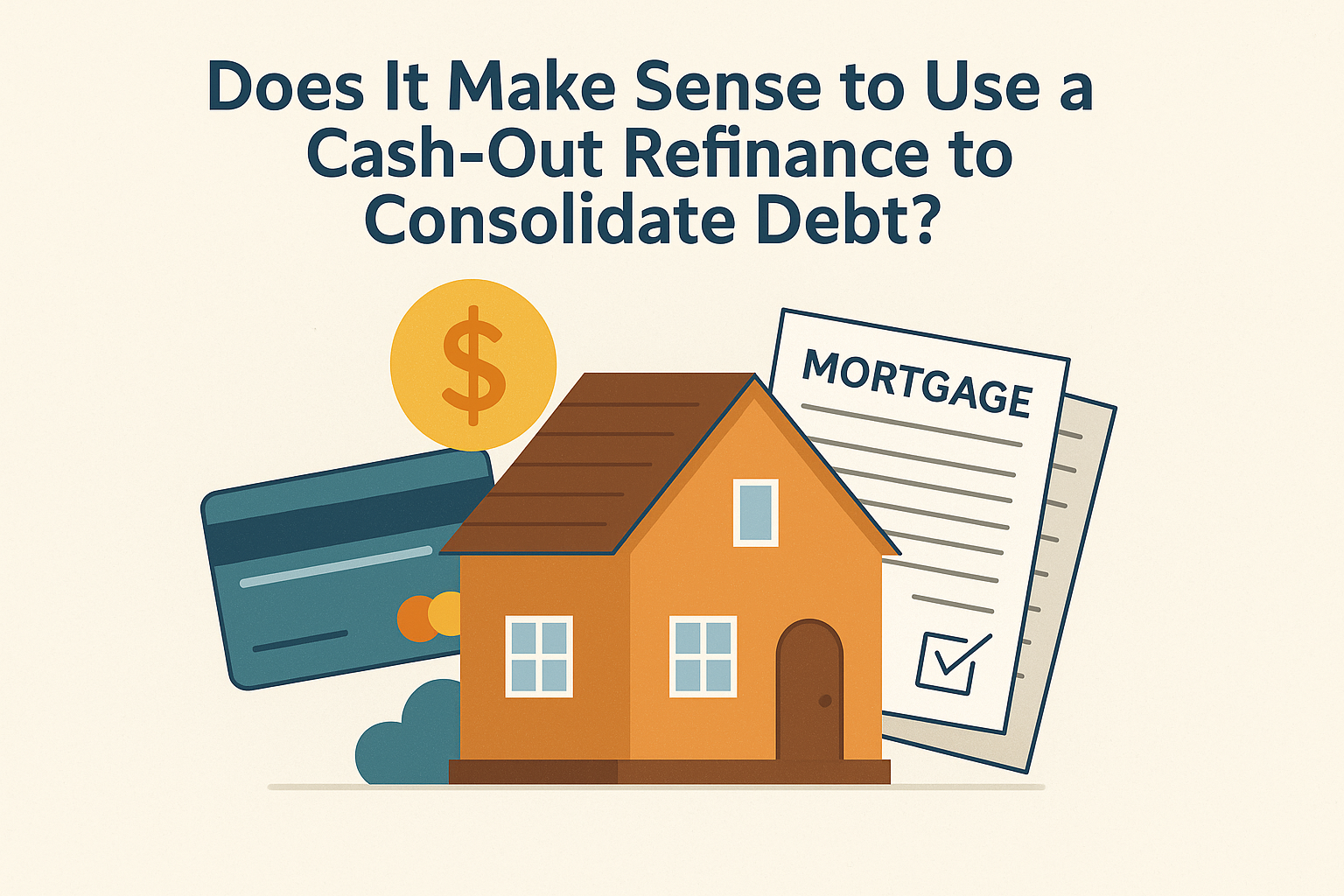
Rising credit card balances and high-interest personal loans can put a strain on your monthly budget. One option many homeowners consider is a cash-out refinance to consolidate debt. This strategy can simplify payments and lower interest costs, but it’s not the right move for everyone. Understanding how cash-out refinancing works and weighing the benefits against…
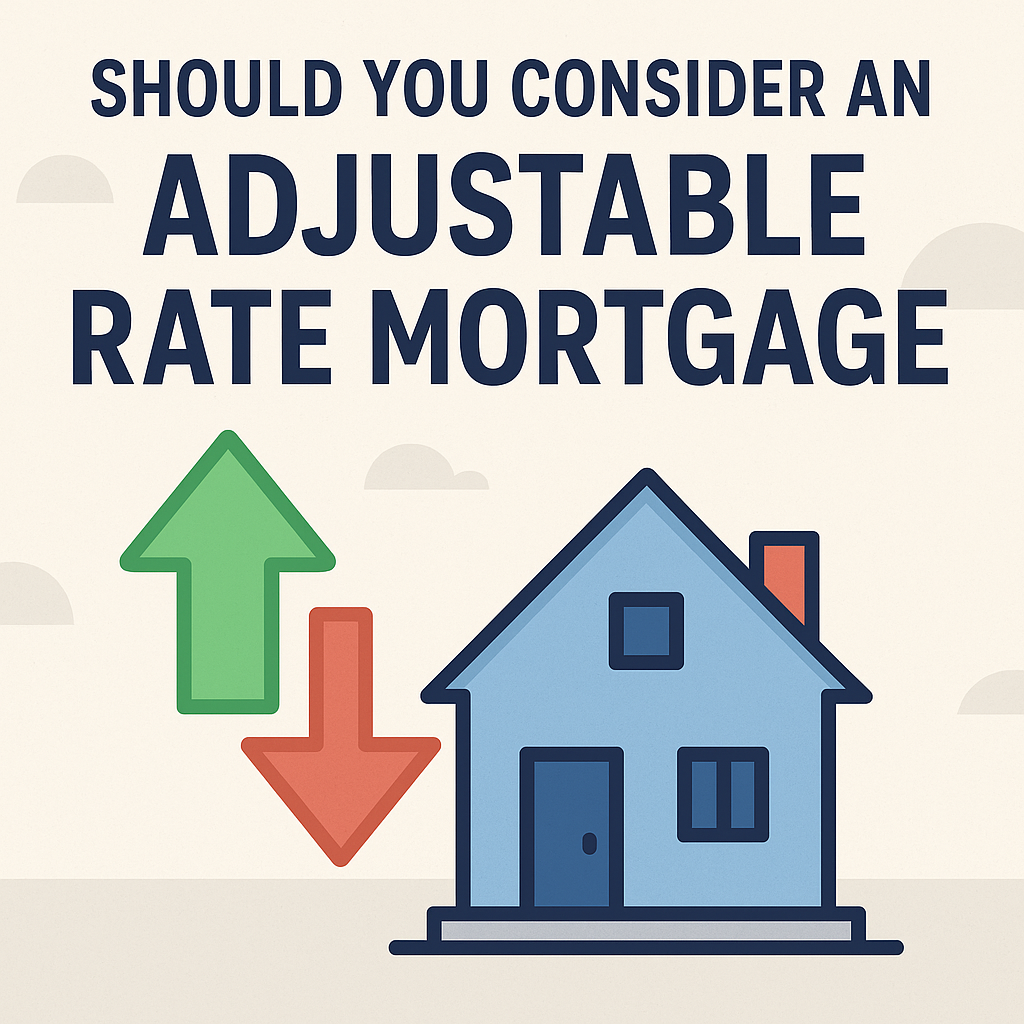
When shopping for a home loan, most buyers immediately think of the 30-year fixed mortgage. But there’s another option that often gets overlooked: the adjustable rate mortgage (ARM). An ARM can sometimes save you money—especially if you plan to move or refinance within a few years—but it also comes with its own set of risks.…
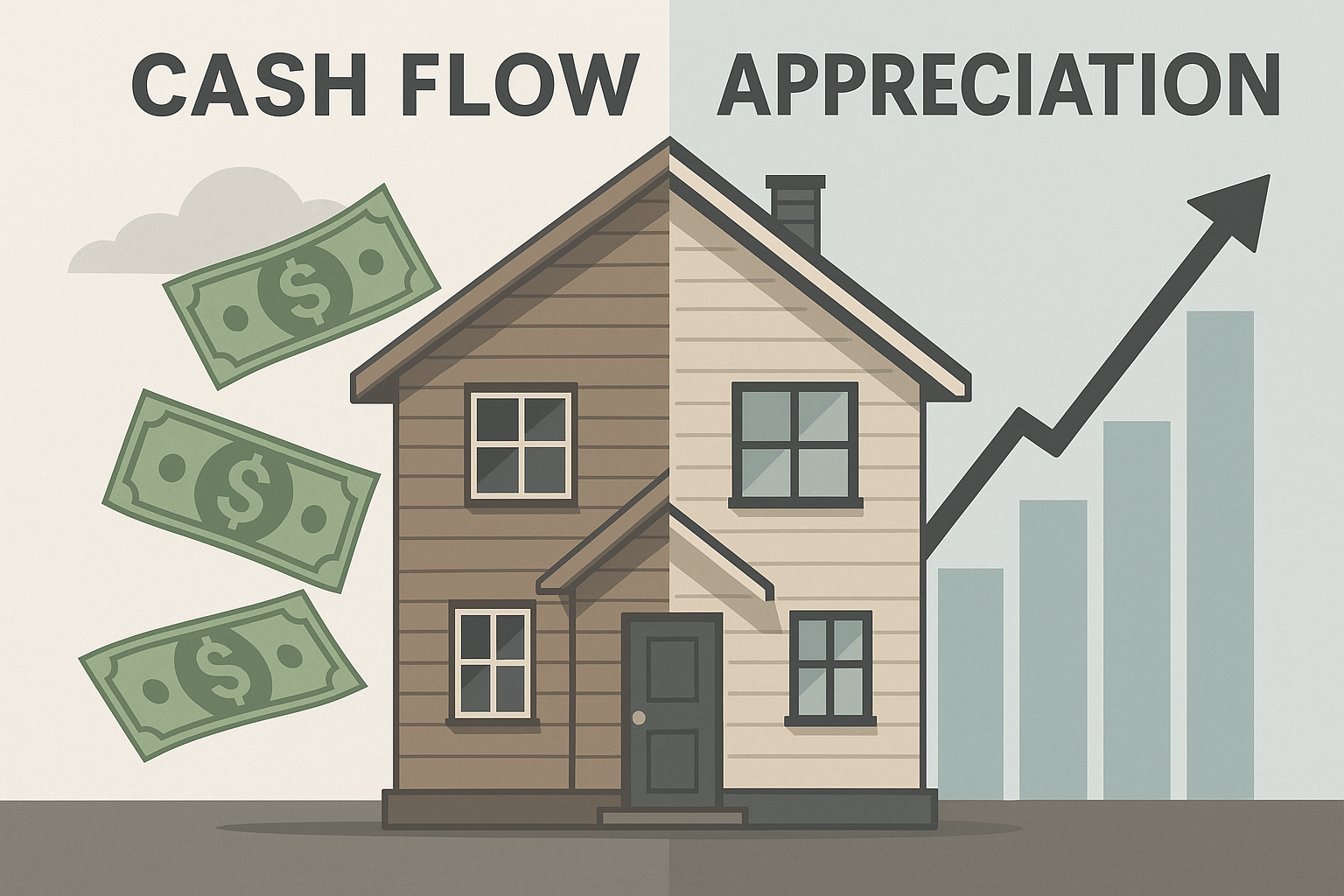
When you invest in real estate, one of the first decisions you face is whether to focus on cash flow—steady monthly income—or appreciation—long-term property value growth. Both can build wealth, but the path you choose should reflect your financial goals, risk tolerance, and local market conditions. Understanding the strengths and trade-offs of each approach can…