
Rising credit card balances and high-interest personal loans can put a strain on your monthly budget. One option many homeowners consider is a cash-out refinance to consolidate debt. This strategy can simplify payments and lower interest costs, but it’s not the right move for everyone. Understanding how cash-out refinancing works and weighing the benefits against the risks will help you decide if it fits your financial plan.
How a Cash-Out Refinance Works
A cash-out refinance replaces your existing mortgage with a new, larger one. The difference between what you owe and the new loan amount is paid to you in cash, which you can use to pay off high-interest debt. For example, if your home is worth $500,000 and you owe $300,000 on your current mortgage, you might refinance into a $360,000 loan and take the $60,000 difference as cash. After closing, you’ll have one new mortgage balance and can use the cash to consolidate other debts.
Potential Benefits of Debt Consolidation Through Refinancing
- Lower interest rate: Mortgage rates are typically far lower than rates on credit cards or personal loans. Consolidating debt into a mortgage can save significant interest over time.
- Simplified payments: Instead of juggling multiple monthly bills, you’ll have one mortgage payment to manage.
- Predictable repayment: Rolling variable-rate credit card balances into a fixed-rate mortgage provides stable, predictable payments over the life of the loan.
- Possible tax benefits: Mortgage interest may be tax-deductible if you itemize deductions, whereas interest on credit cards is not.
Risks and Drawbacks to Consider
- Secured vs. unsecured debt: Credit card and personal loan debt is unsecured. By consolidating into a mortgage, you’re using your home as collateral. If you fall behind on payments, you risk foreclosure.
- Closing costs: A cash-out refinance involves new loan costs—appraisal fees, title insurance, and lender charges—that can offset some of the savings.
- Longer payoff period: Extending debt across a 15- or 30-year mortgage term might reduce your monthly payment but increase the total interest paid over time.
- Discipline required: After consolidating, running balances back up on credit cards can leave you with even more debt than before.
Key Numbers to Review
Compare your current mortgage interest rate with today’s refinancing rates. If your existing loan rate is already very low, taking on a higher rate for a cash-out refinance might not make sense. Also review your total unsecured debt, monthly obligations, and the break-even point—how long it takes to recoup closing costs through lower interest expenses.
Alternatives to a Cash-Out Refinance
Before committing to a new mortgage, consider other options:
- Home equity line of credit (HELOC): Provides flexible access to funds without replacing your first mortgage.
- Personal loan: A fixed-rate personal loan might consolidate debt without tying it to your home.
- Debt management plan: Nonprofit credit counseling agencies can help negotiate lower rates and payments on existing debts.
When a Cash-Out Refinance Can Make Sense
If you have substantial equity, high-interest debt, and a strong plan to avoid running balances back up, a cash-out refinance can be a powerful tool. For borrowers with a stable income and a commitment to maintaining good spending habits, using home equity to pay off expensive debt can provide breathing room and save thousands in interest.
A cash-out refinance can be a smart way to consolidate debt, but it isn’t risk-free. You’re converting unsecured debt into a loan secured by your home, so careful budgeting and financial discipline are essential. Compare rates, calculate total costs, and ensure you have an emergency fund before making a move. Align the decision with your long-term financial goals to make sure it truly improves your situation.
Looking for a mortgage? Get a complimentary rate quote now!
Share:
RELATED MORTGAGE ADVICE FROM SCOTT SHELDON
Should You Consider an Adjustable-Rate Mortgage? Who Is an ARM Appropriate For?
An adjustable-rate mortgage can save money for the right borrower, but only when the initial savings, timeline, and future payment risk all fit the plan.
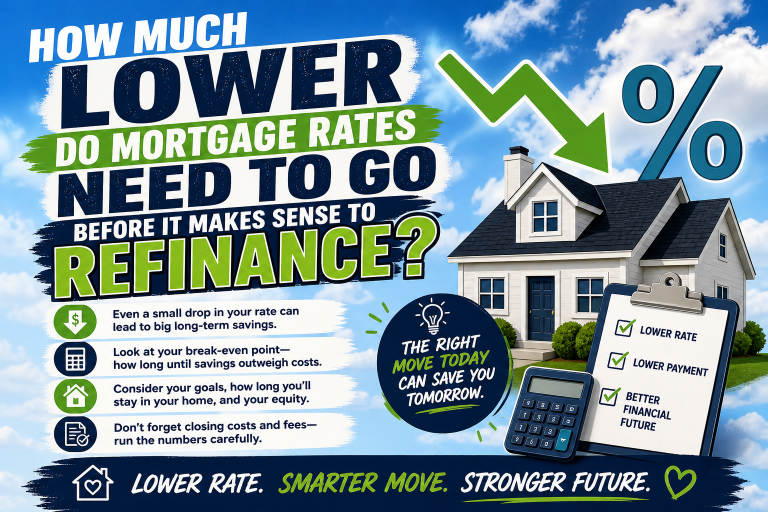
How Much Lower Do Mortgage Rates Need to Go Before It Makes Sense to Refinance?
A refinance is not about an arbitrary rate drop. Learn how loan size, costs, monthly savings, and break-even time determine whether it makes sense.
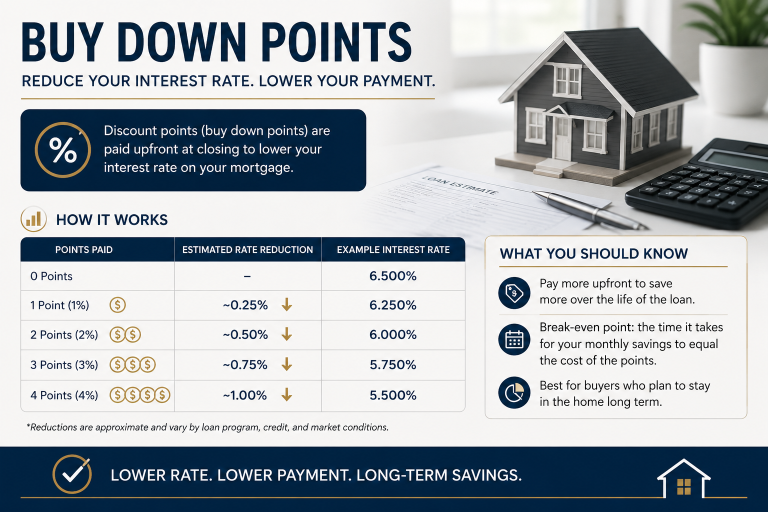
Rate Buydowns in Sonoma County: What Buyers Need to Know in 2026
Rate buydowns can lower a Sonoma County home payment, but temporary and permanent options work very differently. Learn what to compare before you commit.

blog idea
Does to make sense to cash refinance to consolidate debt? How to use child support…
View More from The Mortgage Files:
begin your mortgage journey with sonoma county mortgages
Let us make your mortgage experience easy. Trust our expertise to get you your best mortgage rate. Click below to start turning your home dreams into reality today!