
Many people believe that a foreclosure, bankruptcy, short sale, or judgment means they will never qualify for a mortgage again.
Fortunately, that is rarely the case.
Life happens. People experience job losses, medical issues, divorces, business failures, and unexpected financial hardships. Mortgage lenders understand this, and most loan programs have established waiting periods that allow borrowers to rebuild their credit and eventually become homeowners again.
The key is understanding the guidelines and knowing which loan programs may be available.
Mortgage Options Available Today
Before discussing waiting periods, it helps to understand the major mortgage programs available for homebuyers and homeowners.
Common loan options include:
- Conventional Loans
- FHA Loans
- VA Loans
- Jumbo Loans
- USDA Loans
- Cash-Out Refinances
- Rate-and-Term Refinances
Each program has its own qualification requirements and waiting periods.
FHA Loans
FHA financing is often one of the most forgiving mortgage programs available.
Because FHA loans are government-insured, they frequently allow borrowers to qualify sooner after a significant credit event than conventional financing.
FHA loans can be used for:
- Primary residence purchases
- Rate-and-term refinances
- Cash-out refinances
They also allow lower down payments and more flexible credit requirements than many conventional loan programs.
Conventional Loans
Conventional loans are backed by either Fannie Mae or Freddie Mac.
These loans generally require stronger credit profiles and longer waiting periods after major credit events.
Conventional financing can be used for:
- Primary residences
- Second homes
- Investment properties
- Purchases
- Refinances
Conventional loans often offer excellent long-term financing options for borrowers who have rebuilt their credit.
VA Loans
VA loans are available to eligible veterans and active-duty service members.
VA financing frequently offers:
- No down payment requirements
- Competitive interest rates
- Flexible credit guidelines
- No monthly mortgage insurance
VA borrowers may also benefit from more flexible treatment of prior credit events depending on the overall file.
Waiting Period After a Short Sale
A short sale occurs when a lender agrees to accept less than the amount owed on a property.
The waiting period depends on the loan program.
Typical guidelines include:
FHA
Generally:
- 3 years from the completion date of the short sale
Conventional
Generally:
- 4 years from the completion date
Certain extenuating circumstances may allow for shorter waiting periods.
VA
Typically:
- Approximately 2 years depending on circumstances and lender overlays
Waiting Period After Foreclosure
Foreclosures generally carry longer waiting periods because lenders view them as a more significant credit event.
FHA
Typically:
- 3 years from foreclosure completion
Conventional
Typically:
- 7 years from foreclosure completion
In some cases involving documented extenuating circumstances, the waiting period may be reduced.
VA
Typically:
- 2 years from foreclosure completion
VA guidelines can vary based on the overall borrower profile.
Waiting Period After Chapter 7 Bankruptcy
Chapter 7 bankruptcy involves the discharge of unsecured debt through liquidation.
FHA
Typically:
- 2 years after discharge
Conventional
Typically:
- 4 years after discharge
VA
Typically:
- 2 years after discharge
Borrowers generally must demonstrate satisfactory re-established credit after the bankruptcy.
Waiting Period After Chapter 13 Bankruptcy
Chapter 13 bankruptcy often receives more favorable treatment because the borrower enters a repayment plan.
FHA
Typically:
- 12 months of successful payments with court approval
Conventional
Typically:
- 2 years after discharge
- Or 4 years after dismissal
VA
May allow financing after:
- 12 months of satisfactory repayment history
- Court approval when applicable
What About Judgments?
Judgments can create confusion because the impact depends on whether the judgment remains outstanding.
Generally:
- Outstanding judgments often must be addressed before closing.
- Paid judgments are usually viewed more favorably.
- Underwriters evaluate the size of the judgment and how recently it occurred.
A judgment does not automatically prevent mortgage approval, but documentation is often required.
Rebuilding After a Major Credit Event
The waiting period itself is only one piece of the equation.
Lenders also want to see responsible financial behavior after the event.
Helpful steps include:
- Making all payments on time
- Keeping credit card balances low
- Avoiding new collections
- Building cash reserves
- Maintaining stable employment
- Monitoring credit reports regularly
Many borrowers are surprised to learn they can qualify much sooner than expected.
The Bottom Line
A foreclosure, short sale, bankruptcy, or judgment does not necessarily end your ability to obtain a mortgage.
FHA, VA, and conventional financing all provide pathways back to homeownership once the applicable waiting period has passed and credit has been re-established.
Every situation is unique, and guidelines can change over time. The best approach is to review your specific circumstances with a knowledgeable mortgage professional who can identify the programs that fit your goals and timeline.
Looking to borrow money to refinance or buy a home? Start today!
Share:
Posted in: FHA loan guidelines, VA loan guidelines, bankruptcy mortgage loan, conventional loan guidelines, credit recovery, foreclosure waiting period, home buying tips, home loan after bankruptcy, mortgage financing, mortgage qualification, mortgage waiting periods, real estate financing, refinance after foreclosure, short sale mortgage, sonoma county mortgage
RELATED MORTGAGE ADVICE FROM SCOTT SHELDON
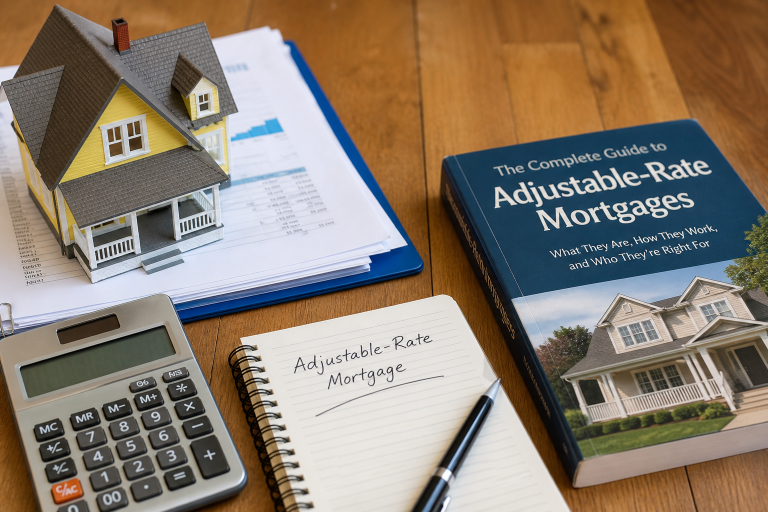
Should You Consider an Adjustable-Rate Mortgage? Who Is an ARM Appropriate For?
An adjustable-rate mortgage can save money for the right borrower, but only when the initial savings, timeline, and future payment risk all fit the plan.
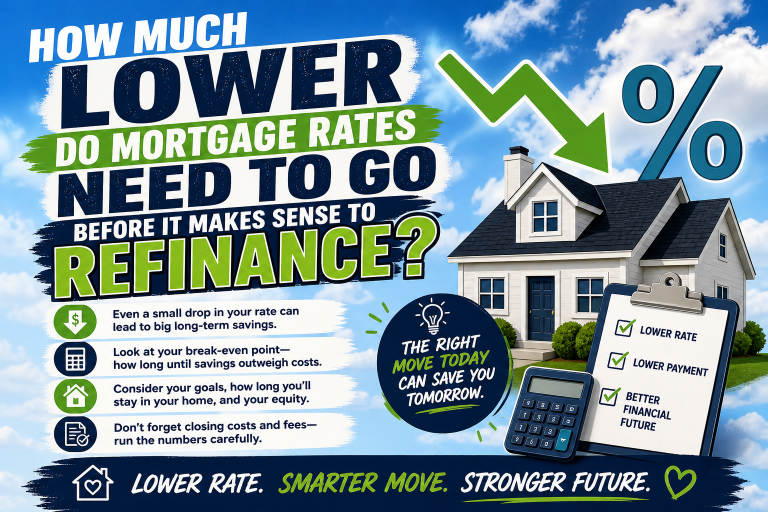
How Much Lower Do Mortgage Rates Need to Go Before It Makes Sense to Refinance?
A refinance is not about an arbitrary rate drop. Learn how loan size, costs, monthly savings, and break-even time determine whether it makes sense.

Should You Buy a Rental Property for Cash Flow or Appreciation?
Cash flow and appreciation can both build wealth through rental real estate, but they work differently. Learn how to balance income, equity, financing, and tax planning.
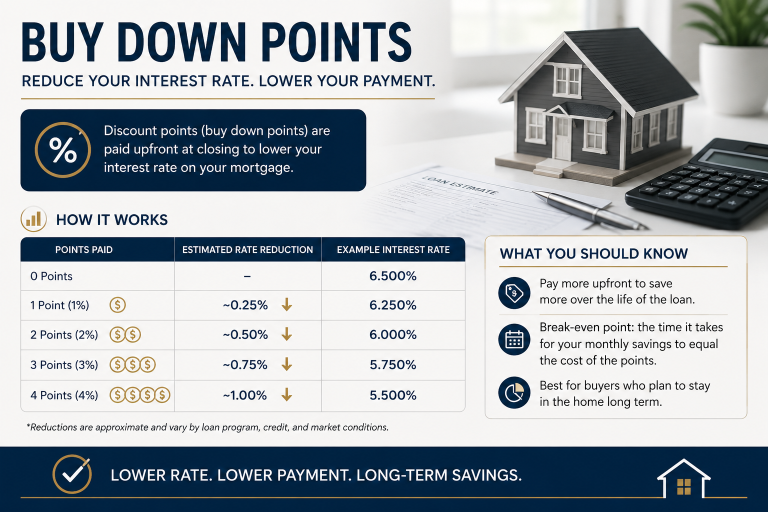
Rate Buydowns in Sonoma County: What Buyers Need to Know in 2026
Rate buydowns can lower a Sonoma County home payment, but temporary and permanent options work very differently. Learn what to compare before you commit.
View More from The Mortgage Files:
begin your mortgage journey with sonoma county mortgages
Let us make your mortgage experience easy. Trust our expertise to get you your best mortgage rate. Click below to start turning your home dreams into reality today!