
Buying a home can feel overwhelming, especially if you’re worried about your credit score, down payment, or whether you’ll qualify for a mortgage. The good news is there are programs designed to help buyers who may not fit into traditional lending guidelines. One of those options is the Arrive Home Earned Equity Program (EEP).
The program recently updated several of its guidelines for loans registered on or after August 3, 2026. If you’re thinking about buying a home, understanding these changes can help you prepare before you submit your application.
Here’s what you need to know.
What Is the Arrive Home Earned Equity Program?
The Arrive Home Earned Equity Program is designed to help qualified homebuyers who may need more flexibility than a traditional conventional loan. Like any mortgage program, there are qualification standards that borrowers must meet, including requirements for credit, employment, income, assets, and the property itself.
While every borrower’s situation is unique, preparing ahead of time can improve your chances of getting approved.
Credit Score Requirements
One of the first things a lender will review is your credit history.
For most borrowers, the program requires:
- A minimum qualifying credit score of 580
- A tri-merged credit report
- At least 24 months of credit history
- At least two active trade lines
In some situations, alternative credit history may be considered if you don’t have traditional credit accounts.
The stronger your credit profile, the more financing options you’ll typically have.
Rental History Matters
Your housing payment history is an important part of qualifying.
If you’ve been renting, be prepared to document your payment history.
If you’ve been paying rent in cash, additional documentation is required, including:
- A signed letter from your landlord
- Evidence showing cash withdrawals or deposits that reasonably support the rent payments for at least three months
- A minimum qualifying credit score of 580
If you have no documented housing history during the previous 12 months, the requirements become more restrictive. Borrowers generally need:
- A minimum 640 credit score
- Three months of financial reserves
Debt-to-Income Ratio
Your debt-to-income ratio (DTI) compares your monthly debt payments to your monthly income.
Generally, debt ratios above 55% housing expense and 65% total debt are not approved under the updated guidelines.
Paying down existing debt before applying for a mortgage may improve your chances of qualifying.
Employment History
Lenders also want to see stable income.
If you’ve recently started working or have less than 12 months of employment history, additional documentation may be required.
That doesn’t automatically prevent you from qualifying, but lenders will take a closer look at your overall financial picture.
ITIN and Foreign Income Borrowers
The updated guidelines also include additional documentation requirements for certain borrowers.
For borrowers using an ITIN while qualifying with W-2 income, verification of employment and three months of bank statements are generally required.
Foreign income may also be considered if it can be properly documented and demonstrates a history of stability and continuity.
Be Prepared to Show Your Assets
Your lender may request additional bank statements to better understand your cash flow, savings, and income history.
Having organized financial records can help your loan move through underwriting more smoothly.
The Home You Buy Matters Too
Qualifying isn’t only about the borrower. The property must also meet program requirements.
Homes with certain appraisal condition ratings may require a separate property inspection.
If significant health or safety issues are identified, repairs may need to be completed before closing. Minor repairs may sometimes be completed after closing if program requirements are met and the appropriate documentation is provided.
Your lender can explain these requirements if they apply to your purchase.
Property Taxes Can Affect Qualification
In some states, property taxes increase significantly after a home changes ownership.
Under the updated guidelines, qualifying may be based on the estimated future property taxes after the sale rather than the current tax bill. This helps provide a more accurate picture of your future monthly housing payment.
Tips to Improve Your Chances of Qualifying
If you’re planning to buy a home, a little preparation can go a long way.
Some of the best ways to strengthen your application include:
- Pay your bills on time.
- Avoid opening unnecessary new credit accounts.
- Reduce existing debt whenever possible.
- Keep your savings in a documented bank account.
- Save copies of your pay stubs, W-2s, and bank statements.
- Document your rental payment history.
- Speak with a mortgage professional before you begin shopping for a home.
Final Thoughts
The Arrive Home Earned Equity Program continues to provide another path to homeownership for qualified borrowers. While the updated guidelines include additional documentation and qualification standards in some areas, they also provide opportunities for buyers who may not qualify under traditional financing.
Every borrower’s situation is different. The best way to know whether you qualify is to review your income, credit, employment history, assets, and goals with an experienced mortgage professional.
If you’re thinking about buying a home and want to see whether the Arrive Home Earned Equity Program is a good fit, I’d be happy to walk you through the guidelines, answer your questions, and help you understand your options. Sometimes a simple conversation is all it takes to put together a plan that gets you one step closer to homeownership. Looking for a mortgage to buy a home? Get a fast quote today!
Share:
Posted in: Arrive Home EEP, Arrive Home Earned Equity Program, ITIN mortgage, Scott Sheldon, credit score requirements, debt-to-income ratio, first-time homebuyer, home financing, home loan programs, homebuyer assistance, homeownership, mortgage approval, mortgage guidelines, mortgage qualification, mortgage tips, rental history
RELATED MORTGAGE ADVICE FROM SCOTT SHELDON

How Much Lower Do Mortgage Rates Need to Go Before It Makes Sense to Refinance?
A refinance is not about an arbitrary rate drop. Learn how loan size, costs, monthly savings, and break-even time determine whether it makes sense.
Rate Buydowns in Sonoma County: What Buyers Need to Know in 2026
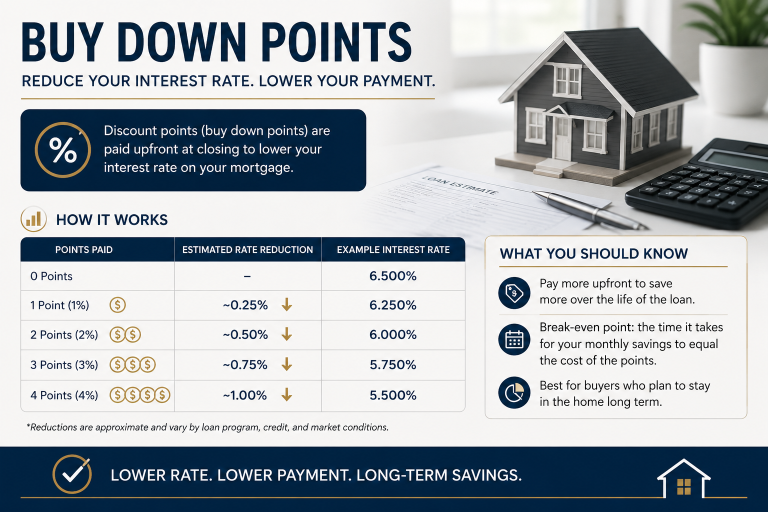
Rate buydowns can lower a Sonoma County home payment, but temporary and permanent options work very differently. Learn what to compare before you commit.

blog idea
Does to make sense to cash refinance to consolidate debt? How to use child support…

How to Buy a Home With a Financed Down Payment
A financed down payment program may help qualified buyers purchase with little or no down payment. Learn the payment tradeoffs and who it may fit.
View More from The Mortgage Files:
begin your mortgage journey with sonoma county mortgages
Let us make your mortgage experience easy. Trust our expertise to get you your best mortgage rate. Click below to start turning your home dreams into reality today!