
One of the biggest misconceptions in mortgage lending is that a high income can solve every mortgage qualification challenge. While income is extremely important, it cannot always make up for weaknesses in other areas of your loan application.
When it comes to qualifying for a mortgage, there are three major factors lenders evaluate: income, credit score, and down payment. These three pieces work together to determine how much risk a lender is taking when approving a loan.
Understanding how these factors interact can help you build a stronger mortgage application and avoid surprises during the approval process.
Income Can Sometimes Offset a Smaller Down Payment
If you have strong credit and a solid income, you may not need a large down payment to qualify for a mortgage.
For example, many buyers with good credit can qualify with low down payment programs, including conventional loans with as little as 3% down or FHA loans with 3.5% down.
Why?
Because strong income demonstrates an ability to comfortably repay the loan. If your debt-to-income ratio is healthy and your credit history shows responsible financial management, lenders may be willing to accept a smaller down payment.
In other words, strong income can sometimes help compensate for having less cash available upfront.
Extra Cash Can Help Offset Lower Income
The opposite can also be true.
Let’s say your income is lower than ideal, but you have significant savings available for a larger down payment. In many cases, putting more money down can improve your chances of approval.
A larger down payment reduces the amount being borrowed and lowers the lender’s risk. It can also reduce your monthly payment, which may help your debt-to-income ratio fit within lending guidelines.
This is one reason why some borrowers who are struggling with qualification can improve their loan scenario by increasing their down payment.
Where Income Cannot Help: Low Credit Scores
This is where many borrowers get confused.
If your credit score is very low, simply earning more income usually will not solve the problem.
For example, if a borrower has a credit score below 580, many loan programs become limited or unavailable. Even if that borrower earns a substantial income, lenders may still view the credit profile as presenting elevated risk.
Income does not erase a history of late payments, collections, charge-offs, or other credit concerns.
In many situations, additional cash can help offset credit risk, but higher income alone cannot.
Why Cash Carries More Weight Than Income for Credit Risk
From a lender’s perspective, cash reduces risk immediately.
A larger down payment means the borrower has more financial investment in the property and is borrowing less money.
Income, on the other hand, can change. Jobs can be lost, commissions can fluctuate, and business income can vary from year to year.
Because of this, many mortgage programs place more value on additional cash investment than on additional income when addressing credit concerns.
Simply put, cash often provides a stronger risk reduction than income when credit scores are lower.
Conventional and FHA Loans Follow These Principles
For both conventional and FHA financing, income, credit, and down payment all play important roles.
Generally speaking:
- Strong credit can help borrowers qualify with less money down.
- Larger down payments can help offset income limitations.
- Higher income can sometimes compensate for a smaller down payment.
- Low credit scores often require either more cash investment or a different loan strategy.
While every loan program has its own guidelines, these principles apply to many common mortgage scenarios.
Important Conventional Loan Credit Score Exception
There is one important exception worth understanding regarding conventional financing.
Many borrowers assume that everyone on the loan application must have a credit score above 620 to qualify for a conventional mortgage.
That is not always true.
If there are two borrowers on the application and one borrower has a credit score above 620, conventional financing may still be available even if the second borrower has a lower score.
Additionally, borrowers with credit scores below 620 may still qualify for conventional financing if the loan receives an automated underwriting approval through the agency’s underwriting system.
This can apply to both purchase and refinance transactions.
The key takeaway is that credit score guidelines are often more flexible than many people realize, especially when multiple borrowers are involved.
The Bottom Line
Mortgage approval is rarely about just one factor. Income, credit score, and down payment work together to determine eligibility.
Strong income can sometimes make up for a smaller down payment. Additional cash can often help offset lower income. However, when credit scores become a concern, income alone usually cannot solve the problem.
If your credit score is lower than desired, a larger down payment may create options that additional income cannot.
Every mortgage scenario is unique, which is why it is important to have an experienced mortgage professional review the full picture before making assumptions about what is or is not possible.
Ready to explore your options?
Get a free rate quote today!
Share:
Posted in: Downpayment, approval, credit, financing, homebuying, income, lending, mortgage, qualifying
RELATED MORTGAGE ADVICE FROM SCOTT SHELDON
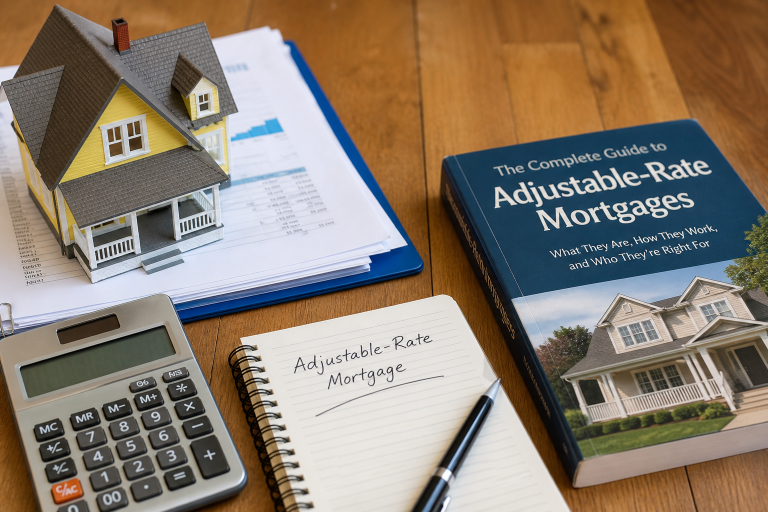
Should You Consider an Adjustable-Rate Mortgage? Who Is an ARM Appropriate For?
An adjustable-rate mortgage can save money for the right borrower, but only when the initial savings, timeline, and future payment risk all fit the plan.
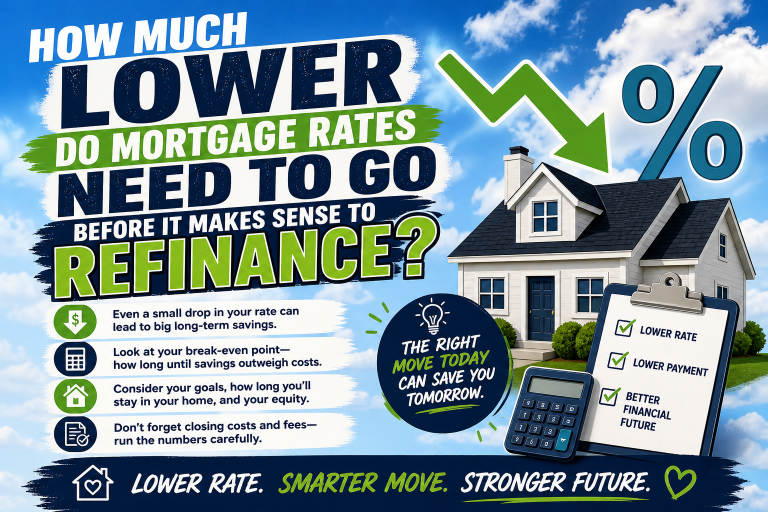
How Much Lower Do Mortgage Rates Need to Go Before It Makes Sense to Refinance?
A refinance is not about an arbitrary rate drop. Learn how loan size, costs, monthly savings, and break-even time determine whether it makes sense.

Should You Buy a Rental Property for Cash Flow or Appreciation?
Cash flow and appreciation can both build wealth through rental real estate, but they work differently. Learn how to balance income, equity, financing, and tax planning.
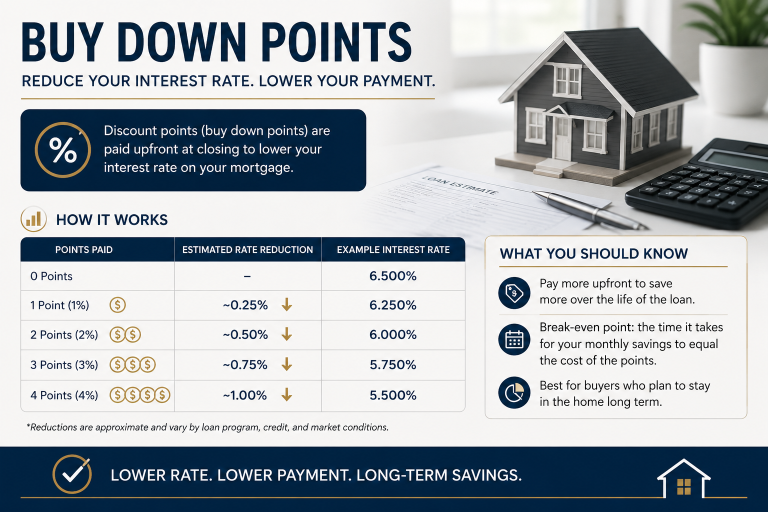
Rate Buydowns in Sonoma County: What Buyers Need to Know in 2026
Rate buydowns can lower a Sonoma County home payment, but temporary and permanent options work very differently. Learn what to compare before you commit.
View More from The Mortgage Files:
begin your mortgage journey with sonoma county mortgages
Let us make your mortgage experience easy. Trust our expertise to get you your best mortgage rate. Click below to start turning your home dreams into reality today!