
If you have a large amount of cash available, deciding what to do with it can feel bigger than a spreadsheet. Maybe you are nearing retirement, received an inheritance, sold an investment, or simply built up savings over time. The question is not just whether you can pay off your mortgage. It is whether that is the best use of the money for your whole financial picture.
Paying off a mortgage gives you a known benefit: you eliminate future interest on that debt and remove the required principal-and-interest payment. Investing the cash may provide a higher long-term return, but that return is never guaranteed. Markets move, taxes matter, and life can change fast.
There is a mathematical answer and there is also a personal-finance answer. What makes sense for one homeowner may make absolutely no sense for another.
Start With Your Mortgage Rate
Your mortgage rate is one of the first places to look. A homeowner with a 3% fixed mortgage is in a different position from someone paying 7%. The higher the rate, the more valuable it can be to eliminate that interest expense.
Paying down or paying off a mortgage is similar to earning a return equal to the interest you avoid, before considering possible tax effects. That savings is predictable as long as you would otherwise keep the loan. You are not guessing what the market will do next year.
With a low fixed rate, the argument for holding onto the loan can be stronger. You may decide that inexpensive, fixed debt lets you keep more cash available for retirement savings, other investments, or near-term needs. But your mortgage rate is only part of the equation.
Mortgage Payoff vs. Investing: A Simple Example
Let’s say you have $200,000 left on a mortgage at a 3.50% fixed rate. You also have $200,000 in cash or investments that could be used to pay it off.
If you pay off the loan, the mortgage is gone. You eliminate future principal-and-interest payments and no longer pay interest at 3.50% on the remaining balance. Your property taxes, homeowners insurance, HOA dues, and maintenance costs still remain, of course.
If you keep the mortgage and invest some or all of the $200,000, your investment could potentially earn more than the mortgage rate over a long period. It could also earn less, especially over shorter periods. Investments may decline in value when you need the money most.
That is why comparing a mortgage rate with an assumed investment return is not a perfect apples-to-apples comparison. Mortgage interest savings are relatively known. Investment results involve volatility, fees, taxes, timing, and risk.
Do Not Trade All Your Cash for Home Equity
Here is where it gets real. A paid-off house is fantastic, but home equity and cash are not the same thing. Once you use $200,000 to pay off your home, you have more equity but less money you can readily access.
You can have a paid-off house and still be cash poor. An emergency, job change, medical expense, major home repair, or family need does not wait for a good time to sell investments or arrange financing.
If you later need to tap the equity, you may need to sell the property, obtain a home equity loan or HELOC, or complete a cash-out refinance. Those options depend on the property, lending guidelines, your income, credit, debt, and available equity at that future time. They are not guaranteed.
Before making a large payoff, make sure you will still have a solid emergency reserve and accessible assets afterward. For a closer look at the cash-flow side of owning a home, read how to avoid becoming house-rich and cash-poor.
Consider Your Other Debts and Priorities
Before using a large sum to pay off a relatively low-rate mortgage, look at the rest of your balance sheet. High-interest credit cards or other expensive consumer debt may deserve attention first. Carrying costly debt while locking all available cash into your house can create unnecessary pressure.
Also consider the financial needs that are already on the horizon:
- Emergency savings and insurance deductibles
- Retirement contributions and expected retirement date
- College costs or support for family members
- Upcoming home repairs, vehicles, or major purchases
- Other real estate, investments, and monthly obligations
A homeowner who is fully funding retirement accounts, has no costly debt, and maintains ample reserves may have more flexibility than someone whose cash is needed for several of these priorities. The decision is rarely just pay off mortgage or invest. It is about putting each dollar where it does the most good for you.
Should You Pay Off Your Mortgage Before Retirement?
For many people approaching retirement, reducing monthly obligations matters as much as maximizing a projected return. A paid-off home can make a fixed retirement income go further and may provide real peace of mind. Some people simply sleep better without a mortgage, and that is a valid factor.
On the other hand, a retiree or near-retiree may value liquid savings even more. If paying off the mortgage would leave very little cash for living expenses, healthcare, or unexpected costs, the payoff may not improve financial security as much as it appears.
Risk tolerance matters too. Someone comfortable with market swings and a long time horizon may choose to keep a low-rate mortgage and invest. Someone who wants fewer bills and more certainty may reasonably choose an early payoff. Neither choice is automatically wrong.
Taxes Can Change the Comparison
Mortgage interest is not automatically tax deductible. Some homeowners receive a tax benefit because they itemize deductions, while others do not. Current tax rules and your individual situation determine the actual result.
Selling investments to pay off a mortgage can also create tax consequences, including possible capital gains. Do not make a major decision based on a general tax rule you heard years ago. A qualified tax professional can help you understand how a payoff or investment sale may affect your own return.
Bottom line: paying off your mortgage is not automatically the smartest decision, and investing the money is not automatically the smartest decision either. If you have a low fixed rate, strong reserves, and a long investment horizon, keeping the mortgage and investing may deserve serious consideration. If your rate is higher, retirement is close, you have substantial investments, or eliminating the payment would materially improve your security, a payoff may be very attractive.
The better question is not, “Can I pay off my mortgage?” It is, “What is the best use of this money given my entire financial picture?” This article is general information only, not individualized investment, tax, legal, or financial advice.
If you are weighing a mortgage payoff, a refinance, or simply want to understand how your current loan fits into your plans, it helps to start with clear numbers and a realistic look at your options. Get a free mortgage rate quote today.
Share:
RELATED MORTGAGE ADVICE FROM SCOTT SHELDON

Why Does My Mortgage Lender Keep Asking for the Same Documents?
Repeated mortgage document requests are frustrating, but they usually involve updated information, missing pages, or follow-up questions needed before closing.
Should You Consider an Adjustable-Rate Mortgage? Who Is an ARM Appropriate For?
An adjustable-rate mortgage can save money for the right borrower, but only when the initial savings, timeline, and future payment risk all fit the plan.
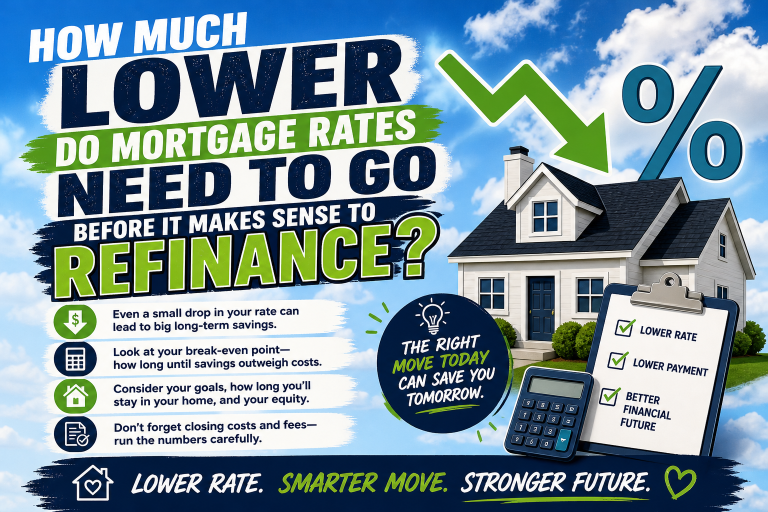
How Much Lower Do Mortgage Rates Need to Go Before It Makes Sense to Refinance?
A refinance is not about an arbitrary rate drop. Learn how loan size, costs, monthly savings, and break-even time determine whether it makes sense.

Should You Buy a Rental Property for Cash Flow or Appreciation?
Cash flow and appreciation can both build wealth through rental real estate, but they work differently. Learn how to balance income, equity, financing, and tax planning.
View More from The Mortgage Files:
begin your mortgage journey with sonoma county mortgages
Let us make your mortgage experience easy. Trust our expertise to get you your best mortgage rate. Click below to start turning your home dreams into reality today!