
One of the challenges many homeowners faced in the recession was financial hardships. Loan modifications were often a short term solutions banks used for homeowners facing delinquency, income changes, or loss of home-equity. If you’ve had a loan modification in your past here’s what you need to know…
What is a loan modification? A loan modification is any change to the original terms of the mortgage that resulted in the restructuring involving any of the following things; principal curtailment, forgiveness, forbearance, payment reduction, or any change of terms from the original loan note. Each loan modification was different, but the most common form of loan modification involved simply a reduction in the mortgage payment.
Know this-general conventional mortgage loan guidelines require you to have 24 months of payment history on the subject property you’re looking to refinance since the date of the modification or 12 months of payment history if you trying to finance the non-subject property. Put another way, if you had a loan modification on a house 12 months ago, but are looking to finance another property, you should be in the clear. The subject property is the property in question that you’re looking to get a new mortgage on. If you have had a principal balance forgiveness, also called a write-down, you are going to be ineligible for most conventional mortgage loans. If you’re loan payment was reduced only and you have the 12 months or 24 months payment rating you’re eligible for financing.
Was your loan modified?
The mortgage holder that did the modification will typically report ‘restructured or modified mortgage‘ on your credit report. In the event you have a modified mortgage, but the credit report does not indicate so, this could be a golden ticket. Lenders work off the credit report.
You will need to provide a copy of the original modification terms specifically detailing the modification if you have a modification in your past. Some lenders who have provided loan modifications to borrowers have different interpretations of what Fannie Mae and Freddie Mac consider to be a modified or restructured mortgage.
This is something that can work in your favor. Most, but not all loan modification involved you signing new paperwork detailing the specifics of your loan restructuring with your mortgage loan servicer. If your loan was changed, but you did not sign any paper work, you’re loan may report normally to the credit bureaus wherein documenting the loan modification need not be necessary, nor would you be subject to the waiting times.
Most banks that originate, bundle and sell loans to the secondary market operate off the same guidelines regarding waiting times. In many situations bigger banks have what are called investor overlays that add another layer of scrutiny to a loan that may not necessarily need it, but are place to insure less risky loans. If you’ve been turned down before based on the previous loan modification situation you owe to yourself to obtain a second opinion. Mortgage banks that deal directly with Fannie Mae and Freddie Mac may be more viable source for securing a loan than a bank whose credit guidelines are in place to benefit shareholders rather than consumers actually borrowing the money.
Looking to get a mortgage? Get a free quote online now.
Share:
RELATED MORTGAGE ADVICE FROM SCOTT SHELDON
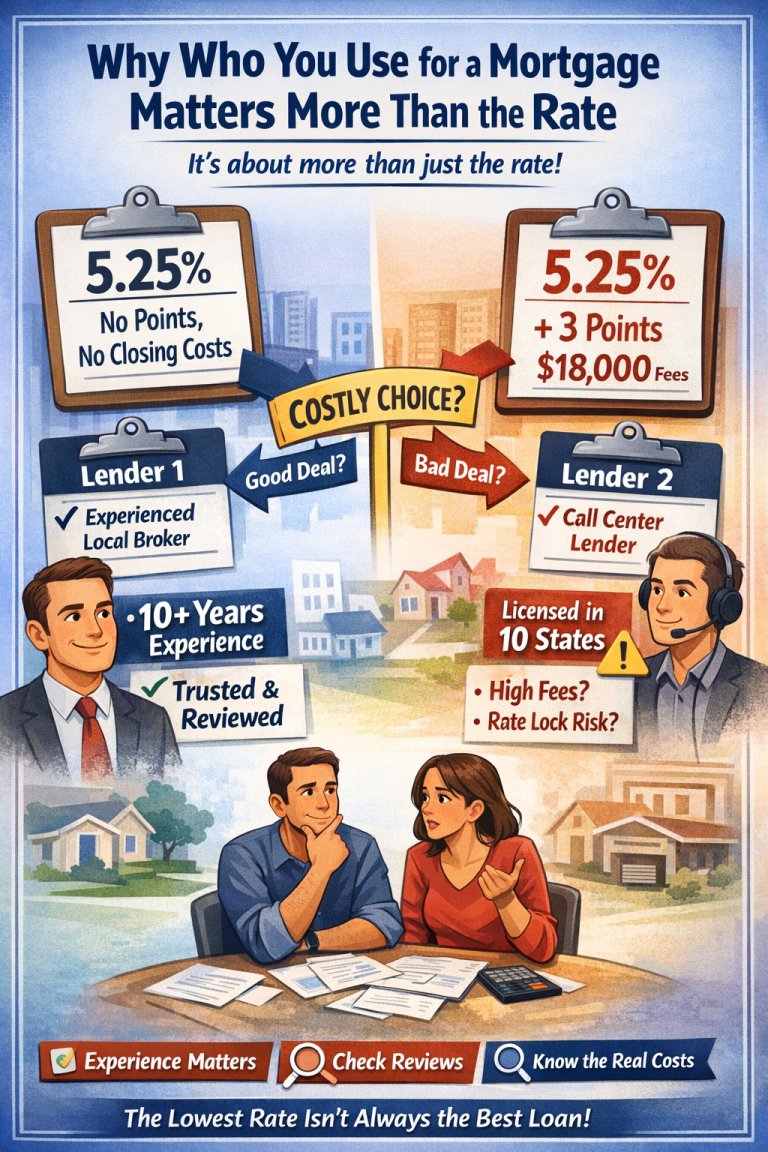
Why Who You Use for a Mortgage Matters More Than the Rate
Who you use for a mortgage loan matters. Let’s walk through a very real scenario…

On Hold or Just Unsure? Why You Wanted to Buy in the First Place
Every so often, someone gets pre-approved, looks at homes, runs numbers… and then says, “We’re…

Building on Land or Manufactured Homes – The Hidden Costs You Need to Know
For many buyers, the idea of buying a vacant parcel of land and building their…

Three Financial Reasons to Own a Home (That Your Lender Should Know)
Buying a home isn’t just about having a place to call your own—it’s also one…
View More from The Mortgage Files:
begin your mortgage journey with sonoma county mortgages
Let us make your mortgage experience easy. Trust our expertise to get you your best mortgage rate. Click below to start turning your home dreams into reality today!