
Finding out you owe money to the IRS can be stressful. Between tax notices, payment plans, and trying to get your finances back on track, many people assume buying a home is no longer an option.
Fortunately, that’s often not the case.
One of the most common misconceptions in mortgage lending is that owing back taxes automatically disqualifies you from qualifying for a home loan. In reality, many borrowers purchase homes every year while making payments under an approved IRS installment agreement.
Recent Freddie Mac guidance has helped clarify how lenders should evaluate borrowers with IRS payment plans, providing a more straightforward path to homeownership for individuals who are responsibly managing their tax obligations.
Owing the IRS Doesn’t Automatically Mean “No”
Life happens.
Business owners can have a slow year. Self-employed borrowers sometimes underestimate quarterly tax payments. Medical emergencies, divorce, job loss, or unexpected financial setbacks can leave anyone with a tax balance they weren’t expecting.
The IRS understands this, which is why installment agreements exist.
From a mortgage perspective, lenders generally want to see that you’ve addressed the issue rather than ignored it. If you’ve entered into an approved repayment agreement and are making your payments as agreed, that can make a significant difference during the loan approval process.
How Freddie Mac Looks at IRS Installment Agreements
Under Freddie Mac’s guidance, borrowers with an approved IRS installment agreement generally are not required to pay the entire outstanding tax balance before closing, provided certain requirements are met.
Instead of requiring the full payoff, lenders typically include your required monthly IRS payment when calculating your debt-to-income (DTI) ratio.
This is important because your DTI ratio is one of the primary factors lenders use to determine how much mortgage you can comfortably afford.
As long as your monthly obligations—including your mortgage payment, other debts, and your IRS installment payment—fall within program guidelines, the existence of the IRS payment plan alone does not necessarily prevent loan approval.
What Documentation Will You Need?
Like most aspects of the mortgage process, documentation is essential.
Lenders will generally request documentation showing:
- A fully approved IRS installment agreement.
- The required monthly payment amount.
- The total outstanding tax balance.
- Evidence that you’re current on your required payments.
Providing complete documentation upfront can help avoid unnecessary delays during underwriting.
If your installment agreement is still pending approval by the IRS, the situation becomes more complex. Depending on the circumstances and loan program, additional documentation may be required, or the balance may need to be resolved before closing.
What About Federal Tax Liens?
A separate issue is whether a federal tax lien exists.
While installment agreements are often manageable within mortgage guidelines, federal tax liens can create additional underwriting requirements. The treatment of a tax lien depends on several factors, including the loan program, lien status, and whether the lien affects the property being financed.
Because every situation is different, it’s important to have your lender review the details early in the process.
Don’t Assume You Won’t Qualify
One of the biggest mistakes prospective homebuyers make is eliminating themselves before speaking with a mortgage professional.
Many borrowers delay buying a home for years because they believe owing the IRS automatically disqualifies them.
In many cases, that simply isn’t true.
A mortgage lender can evaluate your complete financial picture—not just your tax balance. Your income, assets, credit history, down payment, monthly obligations, and repayment plan all work together to determine eligibility.
Sometimes the solution is as simple as documenting the payment plan correctly.
Other times, a lender may recommend paying down certain debts, improving your debt-to-income ratio, or waiting until several additional IRS payments have been made before applying.
The important thing is making decisions based on accurate information rather than assumptions.
Every Situation Is Different
No two borrowers have identical financial circumstances.
Someone owing $8,000 with a manageable monthly IRS payment may qualify immediately, while someone with a larger balance, a pending agreement, or additional credit challenges may need a different strategy.
That’s why personalized mortgage planning is so valuable.
Rather than guessing, an experienced mortgage professional can review your IRS documentation, calculate qualifying ratios, identify potential underwriting concerns, and recommend the loan programs that best fit your situation.
The Bottom Line
Owing the IRS doesn’t automatically prevent you from becoming a homeowner.
If you’ve established an approved IRS installment agreement, remain current on your payments, and otherwise meet the loan program’s qualification requirements, homeownership may still be well within reach.
The key is addressing the tax obligation responsibly and working with a lender who understands current mortgage guidelines.
If you’re wondering whether your IRS payment plan will affect your ability to purchase a home or refinance your current mortgage, don’t make assumptions. A simple review of your financial picture can often provide answers much sooner than you think.
Looking to get a mortgage? Get a free rate quote today!
Share:
RELATED MORTGAGE ADVICE FROM SCOTT SHELDON
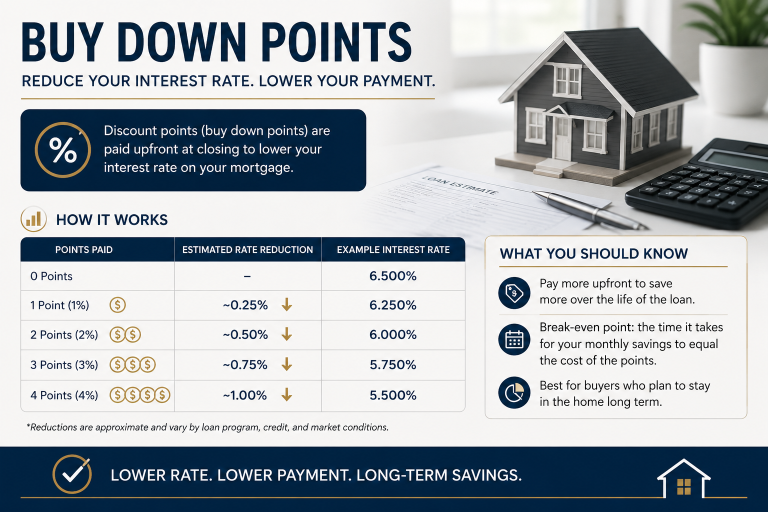
Rate Buydowns in Sonoma County: What Buyers Need to Know in 2026
Rate buydowns can lower a Sonoma County home payment, but temporary and permanent options work very differently. Learn what to compare before you commit.

blog idea
Does to make sense to cash refinance to consolidate debt? How to use child support…

Could FHA Mortgage Insurance Be Reduced Again? Here’s What Homebuyers Should Know
If you’ve been thinking about buying a home with an FHA loan, you may have…

Could Conventional Mortgages Become Assumable? The Industry Is Talking, But Nothing Is Official Yet
One of the biggest challenges facing today’s housing market isn’t necessarily home prices—it’s something many…
View More from The Mortgage Files:
begin your mortgage journey with sonoma county mortgages
Let us make your mortgage experience easy. Trust our expertise to get you your best mortgage rate. Click below to start turning your home dreams into reality today!