
When it comes to getting a mortgage, you have three main options—banks, credit unions, and independent mortgage lenders. On the surface, they might seem interchangeable. After all, they all offer home loans, interest rates, and payment terms. But the experience you get, and how well they fit your specific needs, can vary a lot.
If you’ve ever banked with a credit union, you already know they can be great for simplicity. You walk in, say what you want, and they hand you the rate, the payment, and the paperwork. “Here’s your loan, sign here.” Done. For some borrowers, that’s perfect—especially if you value a straightforward, no-frills approach and you don’t expect to have many questions. Credit unions and banks typically operate Monday through Friday from 8 a.m. to 5 p.m., so you’ll need to fit into their schedule.
That model works well for certain people. If your financial situation is straightforward, your credit score is excellent, your income is steady, and your loan request fits neatly into the guidelines, a bank or credit union can be a solid option.
But here’s where the difference comes in—what if your loan scenario isn’t perfect?
If you have variable income, like commissions or bonuses…
If your credit score isn’t flawless…
If your debt-to-income ratio is a little tight…
If you’re self-employed…
Or if your situation has any unusual details…
That’s when an independent mortgage lender can be a game-changer.
Independent lenders often have more flexibility in finding loan solutions. They don’t just hand you a rate and walk away—they dig into your situation, offer guidance, and explain your options in plain English. They can work through challenges and structure your loan in a way that increases your chances of approval without unnecessary stress.
Another big difference? Independent mortgage lenders are deeply invested in your success. Their livelihood depends on closing your loan—not just opening an application. If your deal falls apart, they don’t get paid. That means they’re motivated to make sure everything moves forward on time, without last-minute scrambling.
Banks and credit unions, on the other hand, have salaried employees who get paid whether or not your loan closes. It’s not that they don’t care—but the urgency isn’t the same.
Think of it like this:
A bank or credit union is like a cafeteria—you get what’s on the menu, served the same way every time.
An independent lender is like a personal chef—they adapt to your preferences, dietary needs, and schedule.
For first-time homebuyers especially, that “personal chef” approach can be priceless. You’re not just getting a loan; you’re getting an experienced guide who can anticipate problems, answer every question, and be available when you need them—not just during banking hours.
That’s not to say one is always better than the other. For some borrowers, the fast, transactional style of a bank or credit union is exactly what they want. But if you value guidance, availability, and a customized approach—especially if your loan scenario is even slightly outside the box—an independent mortgage lender is often the smarter choice.
When it comes down to it, the best fit is about knowing yourself and your needs. If you’re the type who wants to be walked through every step, have your calls returned quickly, and know that your lender is as invested in your success as you are, you’ll probably feel more at home with an independent mortgage professional.
If you’re just looking for a basic transaction, a rate, and a payment, and you don’t need much beyond that, your local bank or credit union might be perfect.
The key is to choose the lender who matches not just your financial profile, but your personality and expectations for service. Because the right lender doesn’t just help you get a mortgage—they help you have a smooth, confident, and stress-free homebuying experience. Looking for a mortgage? Get free rate quote now!
Share:
RELATED MORTGAGE ADVICE FROM SCOTT SHELDON

How Much Lower Do Mortgage Rates Need to Go Before It Makes Sense to Refinance?
A refinance is not about an arbitrary rate drop. Learn how loan size, costs, monthly savings, and break-even time determine whether it makes sense.

Should You Buy a Rental Property for Cash Flow or Appreciation?
Cash flow and appreciation can both build wealth through rental real estate, but they work differently. Learn how to balance income, equity, financing, and tax planning.
Rate Buydowns in Sonoma County: What Buyers Need to Know in 2026
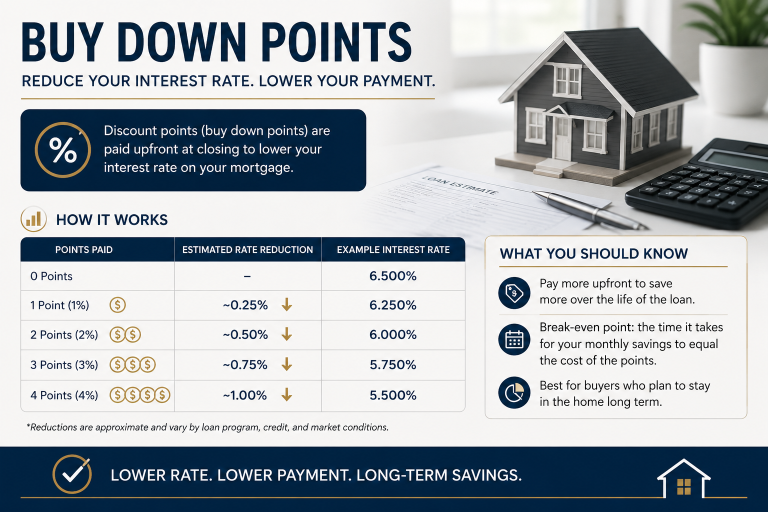
Rate buydowns can lower a Sonoma County home payment, but temporary and permanent options work very differently. Learn what to compare before you commit.

New Fannie Mae Departing Residence Rental Income Rules: What Homebuyers Need to Know
Fannie Mae’s 2026 departing-residence update changes how rental income may be documented when you keep your current home as a rental and buy another primary residence.
View More from The Mortgage Files:
begin your mortgage journey with sonoma county mortgages
Let us make your mortgage experience easy. Trust our expertise to get you your best mortgage rate. Click below to start turning your home dreams into reality today!