
When you apply for a mortgage, one of the key decisions you’ll need to make is whether to lock in your interest rate or let it “float.” This choice can impact your monthly payment and your overall financial comfort, so let’s explore both options to help you decide.
What Does It Mean to Lock Your Interest Rate?
Locking your rate means committing to a specific interest rate for a set period, typically 30 days to align with a 30-day closing schedule. By locking in, you guarantee that your rate—and therefore your monthly payment—will not increase, giving you a clear picture of your costs.
Some mortgage lenders even offer a “float down” option. This feature allows you to take advantage of a lower rate if the market improves after you’ve locked, providing upside potential while protecting you if rates increase. Locking can be a smart move if stability is your goal, especially in volatile markets.
What Happens if You Float the Interest Rate?
Floating your interest rate means delaying a rate lock, allowing the rate to move with the market. While floating might seem appealing if you believe rates will fall, it also introduces risk. Should rates rise, you might face a higher monthly payment, which can create stress or even affect your loan approval.
To put it into perspective, if rates go up significantly while floating, you could be more disappointed than the potential satisfaction you’d feel if they drop only slightly. Generally, mortgage rates move more significantly upward than downward, which could leave you exposed to greater potential downsides than upsides.
Why Mortgage Rates Tend to Move Ahead of the Federal Reserve
The mortgage market often reacts in advance of Federal Reserve meetings, usually about 6 weeks to 2-3 months prior. Investors anticipate economic conditions, causing mortgage rates to shift in advance. This can impact your floating decision, as rates could increase even if the Fed hasn’t yet announced changes.
The Bottom Line: Should You Lock or Float?
If stability and peace of mind are essential to you, locking your rate might be the best choice, especially given the unpredictability of markets. This decision can ensure you’re not caught off guard by higher payments if rates rise. On the other hand, if you’re comfortable with some risk, floating could give you the chance to secure a slightly lower rate if the market shifts in your favor.
Ultimately, discussing your unique situation with a mortgage professional can help you make the best decision. They can offer insights into current market conditions, potential rate fluctuations, and the likelihood of benefiting from a float down or rate lock. Looking for a mortgage? Get a free rate quote today!
Share:
RELATED MORTGAGE ADVICE FROM SCOTT SHELDON
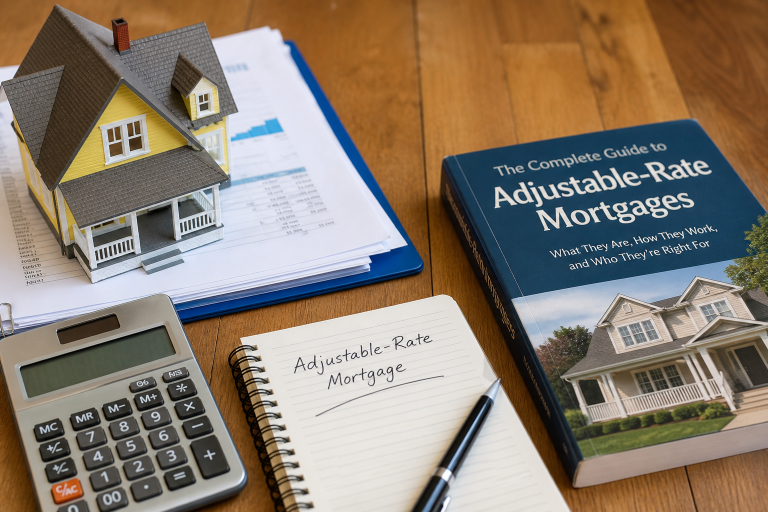
Should You Consider an Adjustable-Rate Mortgage? Who Is an ARM Appropriate For?
An adjustable-rate mortgage can save money for the right borrower, but only when the initial savings, timeline, and future payment risk all fit the plan.
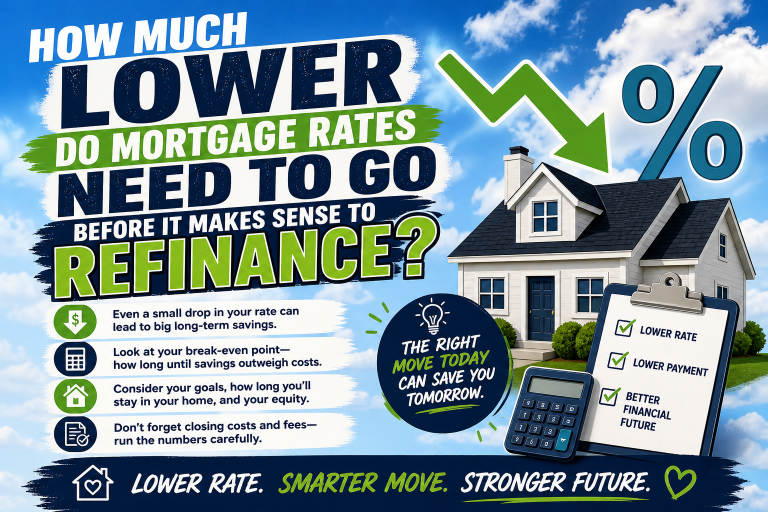
How Much Lower Do Mortgage Rates Need to Go Before It Makes Sense to Refinance?
A refinance is not about an arbitrary rate drop. Learn how loan size, costs, monthly savings, and break-even time determine whether it makes sense.

Should You Buy a Rental Property for Cash Flow or Appreciation?
Cash flow and appreciation can both build wealth through rental real estate, but they work differently. Learn how to balance income, equity, financing, and tax planning.
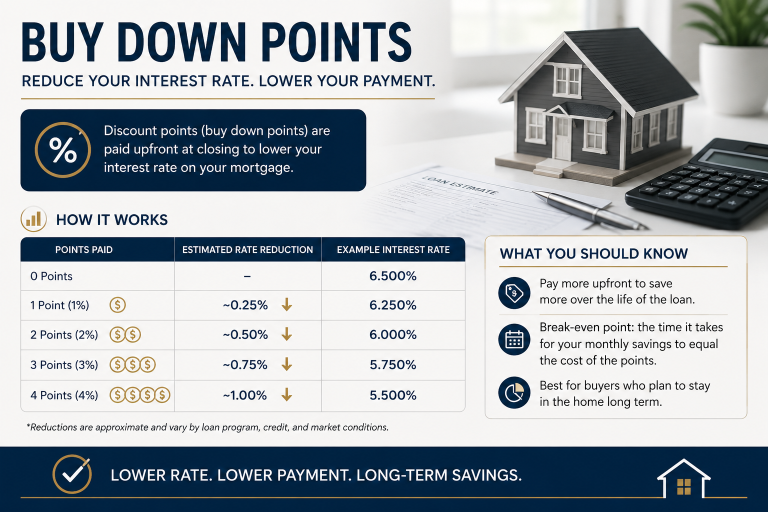
Rate Buydowns in Sonoma County: What Buyers Need to Know in 2026
Rate buydowns can lower a Sonoma County home payment, but temporary and permanent options work very differently. Learn what to compare before you commit.
View More from The Mortgage Files:
begin your mortgage journey with sonoma county mortgages
Let us make your mortgage experience easy. Trust our expertise to get you your best mortgage rate. Click below to start turning your home dreams into reality today!