
Let’s start with a simple but powerful scenario.
A homeowner locked in a mortgage at 2.75% during the pandemic. Fast forward to today, and that same homeowner is now looking at interest rates closer to 6.5% on a 30-year fixed. Even if their life has changed—maybe they’ve grown their family or simply need more space—the financial reality of moving feels like a major step backward.
This is one of the biggest reasons why housing inventory continues to feel constrained, even in a market where demand still exists.
At first glance, it might seem like inventory should be improving. After all, life events don’t stop—people get married, have kids, relocate, or simply outgrow their homes. But the math tells a different story, and right now, the math is keeping people in place.
The Mortgage Rate Lock-In Effect
During the pandemic, millions of homeowners refinanced or purchased homes at historically low interest rates—many in the 2% to 3% range. These aren’t just good loans; they’re once-in-a-generation financial positions.
Now compare that to today’s environment.
Moving from a 2.5% mortgage to a 6.5% mortgage is not a small adjustment. That’s a difference of roughly 400 to 450 basis points. On paper, it’s just a percentage change. In reality, it can mean a dramatically higher monthly payment—even if the new home is similar in price.
For many homeowners, this creates a natural pause. Even if upgrading makes sense from a lifestyle standpoint, it may not make sense financially. The result? Fewer people list their homes, and inventory stays tight.
This dynamic is often referred to as the “lock-in effect,” and it’s one of the most powerful forces shaping today’s housing market.
Why 5% Is a Psychological and Financial Turning Point
There’s an important distinction to make here.
While jumping from 2% to 6.5% feels overwhelming, moving from 2% to 5% is a much more manageable shift. It’s still an increase, but it’s one that many homeowners can begin to rationalize.
At around 5%, the gap between a homeowner’s current mortgage and a potential new one becomes easier to digest. The monthly payment difference narrows, and the decision to move starts to feel more like a trade-off rather than a sacrifice.
This is why many in the industry believe that once 30-year fixed rates move closer to 5% or below, we’ll begin to see a meaningful increase in housing supply.
More sellers will feel comfortable listing their homes, which in turn creates more opportunities for buyers.
When Will the Supply Problem Be Fixed?
That’s the big question.
From a practical standpoint, housing supply is unlikely to fully normalize until interest rates come down to a level that reduces the lock-in effect. For many homeowners, that threshold appears to be around 5% on a 30-year fixed mortgage.
At that point, the financial friction of moving decreases significantly, and more homeowners are willing to make a move.
However, there’s an important nuance here that often gets overlooked.
The Economic Trade-Off: Lower Rates vs. Consumer Confidence
Interest rates don’t exist in a vacuum. When rates decline meaningfully—especially down toward 5%—it’s often tied to broader economic conditions.
In many cases, lower rates are a byproduct of a slowing economy or even a recession.
And that introduces a different challenge.
While lower rates can unlock housing supply by making moves more affordable, a weakening economy can have the opposite effect on demand. If unemployment rises or people feel uncertain about their financial future, they may hesitate to buy or sell regardless of where rates are.
Simply put, people make real estate decisions when they feel confident—about their jobs, their income, and the overall direction of the economy.
So while lower rates may help increase inventory, they could also coincide with reduced buyer activity if economic conditions deteriorate.
Where We Are Today
Right now, we’re in a unique environment where:
-
Millions of homeowners are sitting on ultra-low mortgage rates
-
Current rates are significantly higher, creating a financial barrier to moving
-
Inventory remains constrained as a result
This isn’t a traditional supply problem driven solely by lack of construction or demand imbalance. It’s a behavioral and financial issue tied directly to mortgage rate spreads.
Until that spread narrows—either through lower rates or significant life changes that force moves—we’re likely to continue seeing limited housing inventory.
What This Means for Buyers and Sellers
For buyers, this environment requires patience and strategy. Inventory may remain tight in the short term, but opportunities still exist—especially for those who are financially prepared and ready to act when the right property becomes available.
For sellers, understanding this dynamic is critical. While fewer homes on the market can mean less competition, it also means buyers are more sensitive to pricing and monthly payment considerations.
And for homeowners on the fence, the decision often comes down to one simple question: does the move make sense not just emotionally, but financially?
There’s no one-size-fits-all answer—but understanding the broader market forces at play can help guide that decision.
Final Thoughts
The housing inventory challenge we’re seeing today isn’t accidental—it’s a direct result of historically low interest rates colliding with today’s higher-rate environment.
Until rates move closer to that 5% range, or broader economic conditions shift meaningfully, we’re likely to see inventory remain relatively constrained.
That said, markets are always evolving. Staying informed and working with the right strategy can make all the difference, whether you’re buying, selling, or simply planning your next move.
Get a free quote today!
Share:
RELATED MORTGAGE ADVICE FROM SCOTT SHELDON
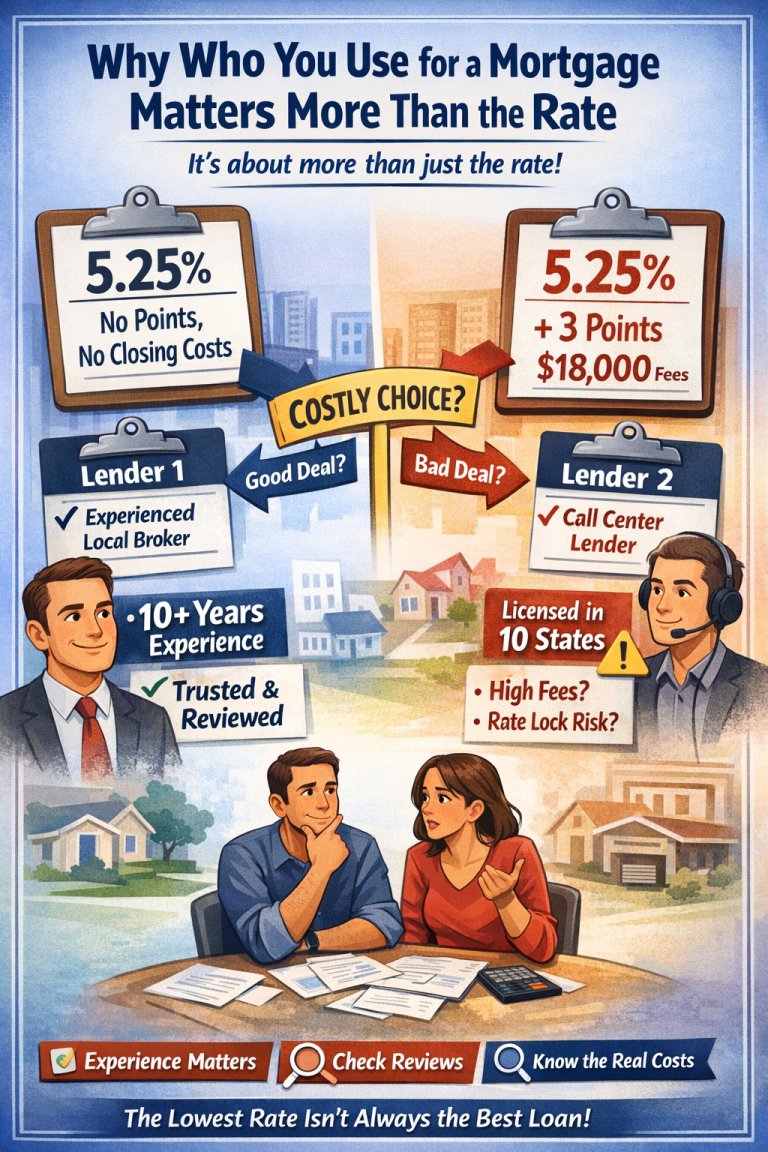
Why Who You Use for a Mortgage Matters More Than the Rate
Who you use for a mortgage loan matters. Let’s walk through a very real scenario…

On Hold or Just Unsure? Why You Wanted to Buy in the First Place
Every so often, someone gets pre-approved, looks at homes, runs numbers… and then says, “We’re…

Should You Pay Off Credit Cards Before Buying a Home?
One of the most common objections home buyers provide is this: “I want to wait…

Building on Land or Manufactured Homes – The Hidden Costs You Need to Know
For many buyers, the idea of buying a vacant parcel of land and building their…
View More from The Mortgage Files:
begin your mortgage journey with sonoma county mortgages
Let us make your mortgage experience easy. Trust our expertise to get you your best mortgage rate. Click below to start turning your home dreams into reality today!