
Everyone loves the idea of lower mortgage rates—and for good reason. A lower rate means a lower monthly payment and more buying power. But here’s the part that often gets overlooked: when mortgage rates fall, home prices often rise. And sometimes, those rising prices can cancel out the benefit of a lower rate. This creates a tricky dynamic in the housing market—especially in tight inventory environments like we’ve seen in recent years. In this post, we’ll explain why this happens, what it means for buyers and homeowners, and how to approach your home search or refinance strategy with your eyes wide open.
Why Lower Mortgage Rates Don’t Always Mean “More Affordable” On paper, it makes sense—if rates drop, your monthly payment goes down. That should make homes more affordable, right? Not always. Here’s why: when rates fall, demand increases. More buyers enter the market because they can suddenly qualify for more. Sellers know this and are often less likely to negotiate. In competitive markets, this surge in demand leads to bidding wars, pushing prices higher. In effect, falling rates can actually fuel home price inflation. You might save $100 or even $200 per month on your mortgage payment, but if the home price goes up by $30,000 or $40,000, your down payment and closing costs also increase. The payment may end up about the same—and you may be competing with more buyers for fewer homes.
The Math Behind the Tradeoff Let’s take a simplified example. Say you’re buying a $700,000 home at a 7.25% interest rate. Your principal and interest payment would be around $4,772 per month. Now let’s say rates drop to 6.25%. At that same $700,000 price, your new payment is $4,309 per month—a savings of about $463 per month. But what happens if prices rise while rates fall? If the same home is now $750,000 at 6.25%, your payment jumps back up to $4,616 per month—wiping out most of the rate benefit. Plus, you’re now putting more down and paying more in closing costs, insurance, and property taxes. In short: you got a better rate but paid a premium for the property.
Why Prices Tend to Rise When Rates Drop It’s basic supply and demand. In a market where inventory is low—like most of the country right now—any increase in demand puts upward pressure on prices. Lower rates attract buyers who were previously priced out. Investors may jump in, too. Homeowners who had been sitting on the fence might now feel confident enough to list and move up, but many will still hold onto their ultra-low existing rates. The result: more buyers chasing limited inventory. Prices move up, often quickly.
Refinancing Isn’t Immune Either For homeowners hoping to refinance when rates drop, the same market dynamics apply. Appraised values may rise, which helps—but lenders are often backed up when rate drops trigger a refi boom. That can mean delays, underwriting bottlenecks, and in some cases, missed opportunities if rates bounce back before you lock. Acting quickly and having your documents ready becomes essential. Also, if you’re hoping to time your refi at the absolute bottom, you may end up missing it. Rates rarely stay low for long when the broader economy is volatile.
How to Navigate This Tradeoff as a Buyer Instead of trying to time the market perfectly, smart buyers focus on monthly affordability and long-term goals. If the payment works now—and you find a home that fits your life—it may be worth moving forward, even if rates aren’t “perfect.” If rates drop later, you can refinance. But waiting too long could mean paying more for the same home, or getting priced out of your target neighborhood. Always run the math with your lender for both today’s rate and a potential refinance scenario. That way, you’ll understand your true break-even point and can make a confident decision based on facts—not fear.
Final Thought: Focus on Strategy, Not Headlines It’s easy to get caught up in rate chatter. Every financial outlet, influencer, and economist has a take. But at the end of the day, your financial goals—and your timeline—are what matter most. Falling rates are great, but if everyone rushes into the market at once, prices can surge. By the time you’re ready to act, the best deals may be gone. Rather than waiting for the lowest rate or the perfect market, focus on what works for your budget and goals. Talk to a mortgage advisor who can help you understand your options clearly and stay ahead of the curve.
Looking to get a mortgage? Get an easy quote now!
Share:
RELATED MORTGAGE ADVICE FROM SCOTT SHELDON
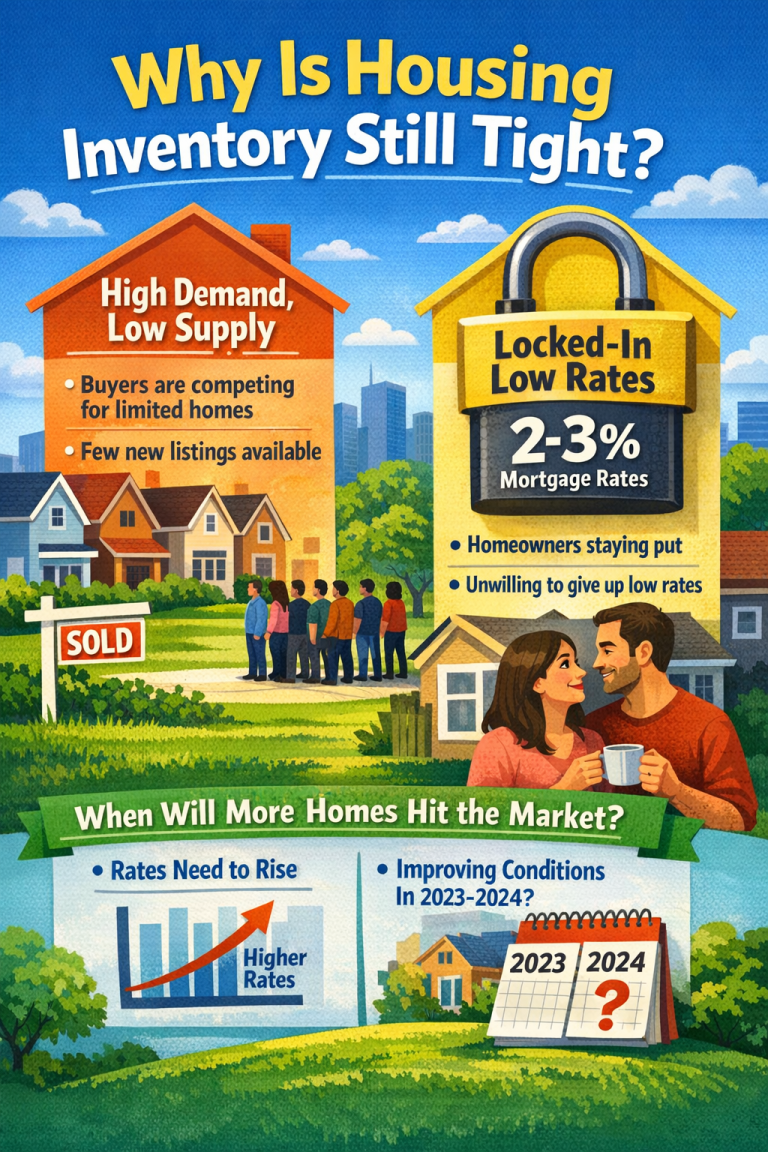
Why Housing Inventory Still Feels Tight—And What Interest Rates Have to Do With It
Let’s start with a simple but powerful scenario. A homeowner locked in a mortgage at…
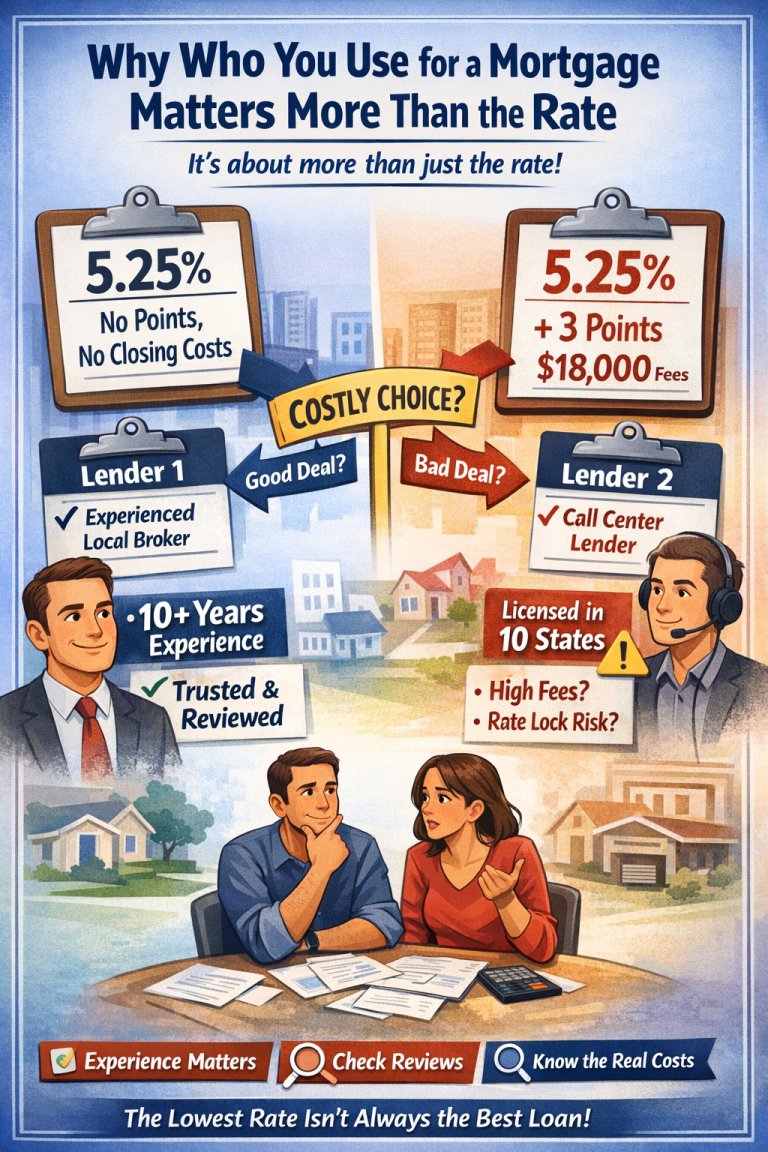
Why Who You Use for a Mortgage Matters More Than the Rate
Who you use for a mortgage loan matters. Let’s walk through a very real scenario…
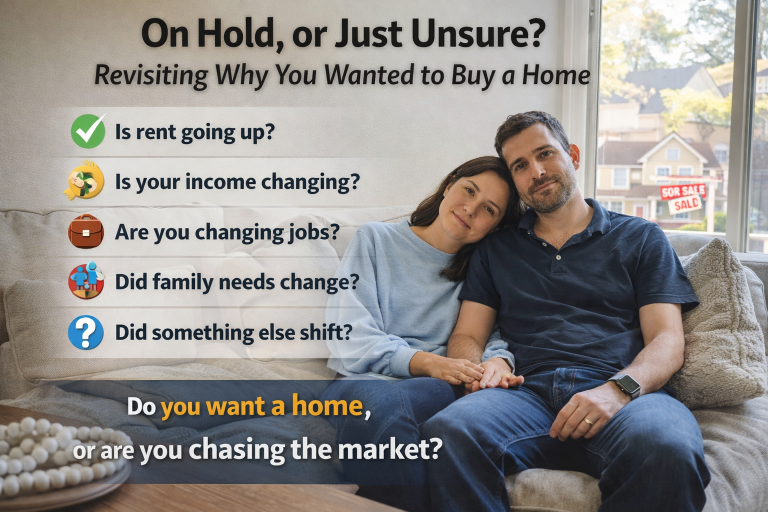
On Hold or Just Unsure? Why You Wanted to Buy in the First Place
Every so often, someone gets pre-approved, looks at homes, runs numbers… and then says, “We’re…

Should You Pay Off Credit Cards Before Buying a Home?
One of the most common objections home buyers provide is this: “I want to wait…
View More from The Mortgage Files:
begin your mortgage journey with sonoma county mortgages
Let us make your mortgage experience easy. Trust our expertise to get you your best mortgage rate. Click below to start turning your home dreams into reality today!