
Buying a home is exciting—but if you’re married and live in a community property state, there’s an important rule that surprises many buyers. Even if only one spouse is on the mortgage, the lender may still need to review the other spouse’s debts. This can have a real impact on how much home you can afford.
Let’s break this down in plain English and walk through how it works for FHA and VA loans, why it matters, and what you can do about it.
What Is a Community Property State?
In a community property state, most debts and assets acquired during marriage are considered shared, regardless of whose name is on the account. For mortgage lending, that means a lender can’t always ignore a spouse’s financial obligations—even if that spouse isn’t applying for the loan.
Common community property states include California, Arizona, Nevada, Texas, and a few others. If you’re married and buying in one of these states, this rule likely applies to you.
FHA Loans: Spouse Not on the Loan, Debts Still Count
With an FHA loan, a non-borrowing spouse does not have to be on the mortgage. That sounds simple enough—but here’s the catch.
The lender is still required to pull credit for the non-borrowing spouse to identify their debts.
Those debts are then factored into the borrower’s debt-to-income ratio (DTI).
Even though the spouse’s credit score is not used, the monthly payments absolutely are.
Why This Matters So Much
Let’s say your spouse has a $600–$700 car payment. That single debt can dramatically change what you qualify for.
In many real-world scenarios, that one payment can reduce your purchasing power by $75,000 to $100,000 or more, depending on interest rates, taxes, insurance, and other obligations.
This is often a shock for buyers who assumed, “My spouse isn’t on the loan, so their stuff doesn’t matter.”
Unfortunately, on FHA loans in community property states, it does.
VA Loans: Similar Rule, One Important Advantage
VA loans follow a similar community property rule. If you’re married and your spouse is not on the loan, the lender still must account for the spouse’s monthly debts.
However, VA loans offer a key benefit that FHA does not.
Spouse Income Can Offset Spouse Debt
On a VA loan, if the non-borrowing spouse has verifiable income, that income can be used to offset their debts, even though they are not on the loan.
This is a big deal.
For example, your spouse has a $700 car payment, but also earns $4,000 per month. That income can be applied against the debt when calculating VA residual income and overall qualification.
This flexibility often makes VA loans far more forgiving for married borrowers in community property states.
Why Lenders Have to Do This
This isn’t a lender being difficult—it’s about risk and legal responsibility.
Because community property laws assume shared responsibility for debts, lenders must evaluate the full household obligation picture, even when only one person signs the note.
Skipping this step would violate loan guidelines and could invalidate the loan.
Planning Ahead Makes a Huge Difference
If you’re married and considering buying a home, planning ahead is critical—especially if one spouse has large car payments, student loans, personal loans, or credit card balances.
A smart strategy session before you write an offer can help model different loan programs, understand how spouse debt impacts buying power, decide whether paying off or restructuring debt makes sense, and avoid surprises late in the process.
The Bottom Line
In community property states, being married means your finances are more connected than many people realize from a lending standpoint.
Even if your spouse isn’t on the loan, FHA loans require counting the spouse’s debts, VA loans also count debts but allow spouse income to offset them, a single car payment can reduce buying power by six figures, and early planning can protect your budget and expectations.
Understanding these rules upfront helps you make better decisions, write stronger offers, and avoid last-minute stress.
Get a free rate quote today!
Share:
RELATED MORTGAGE ADVICE FROM SCOTT SHELDON
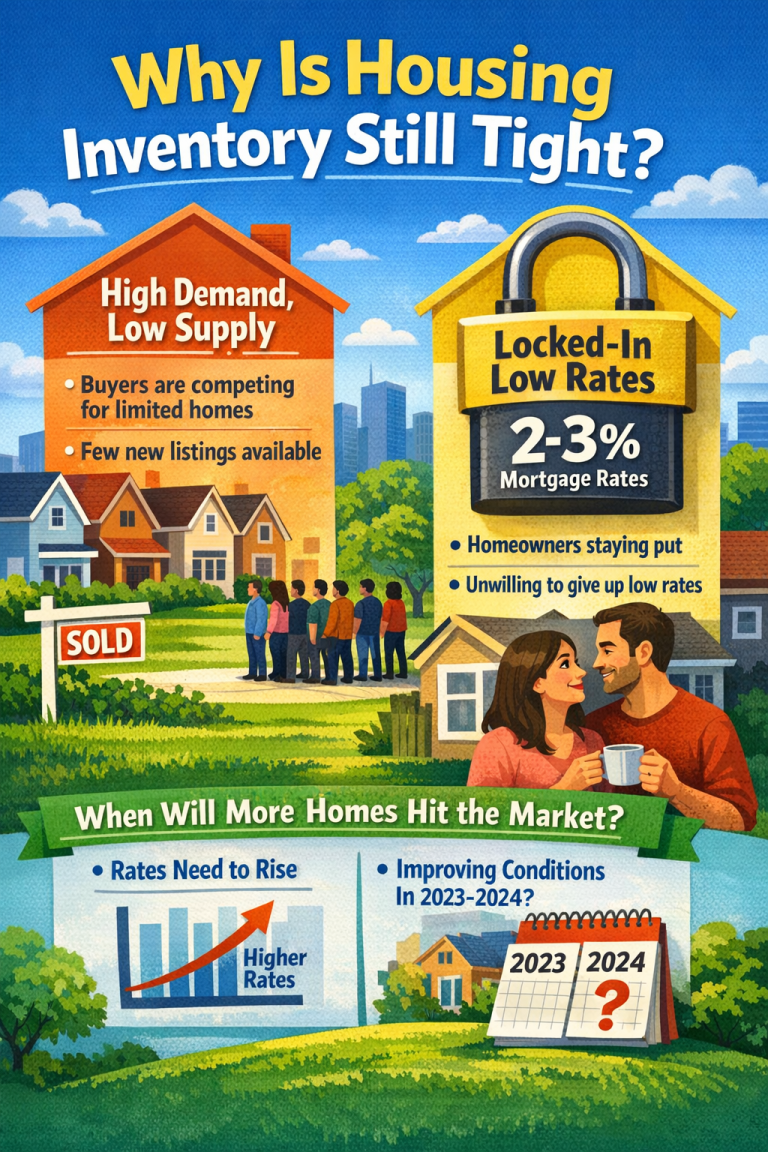
Why Housing Inventory Still Feels Tight—And What Interest Rates Have to Do With It
Let’s start with a simple but powerful scenario. A homeowner locked in a mortgage at…
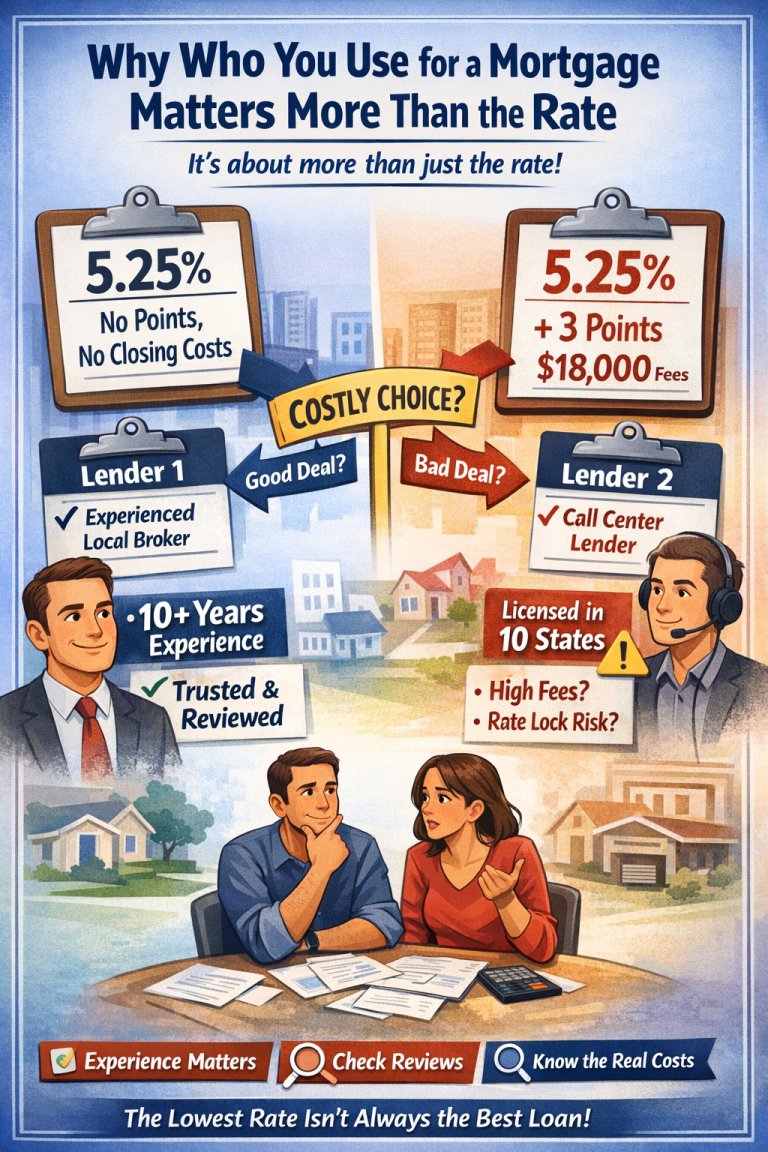
Why Who You Use for a Mortgage Matters More Than the Rate
Who you use for a mortgage loan matters. Let’s walk through a very real scenario…

On Hold or Just Unsure? Why You Wanted to Buy in the First Place
Every so often, someone gets pre-approved, looks at homes, runs numbers… and then says, “We’re…

Should You Pay Off Credit Cards Before Buying a Home?
One of the most common objections home buyers provide is this: “I want to wait…
View More from The Mortgage Files:
begin your mortgage journey with sonoma county mortgages
Let us make your mortgage experience easy. Trust our expertise to get you your best mortgage rate. Click below to start turning your home dreams into reality today!