
When you’re in the market for a new home, comparing loan estimates from different mortgage companies is a crucial step. However, it’s essential to scrutinize these estimates carefully, especially the projected property taxes. Some lenders might provide lower estimates to make their offer appear more attractive, but this can lead to unexpected increases in your mortgage payments down the line.
The Issue with Underestimated Property Taxes
Property taxes are a significant component of your monthly mortgage payment, typically included in your escrow account along with homeowners insurance. An escrow account is set up by your lender to pay certain property-related expenses on your behalf. If a lender underestimates your property taxes in the loan estimate, your initial monthly payments may seem lower. However, once the actual tax bill comes due, you could face a shortage in your escrow account, leading to higher monthly payments to cover the deficit.
For instance, let’s say a lender estimates your annual property taxes at $2,400, resulting in a monthly escrow payment of $200. If the actual tax bill turns out to be $3,600, your monthly escrow payment would need to increase to $300 to cover the difference. This $100 monthly increase can strain your budget if you’re unprepared.
Why Some Lenders Underestimate Taxes
Certain mortgage companies, particularly those that service their own loans and are approved seller/servicers for Fannie Mae or Freddie Mac, might use outdated or incorrect tax information when preparing loan estimates. This practice can make their loan offers appear more competitive by showing lower monthly payments. However, this is misleading and can lead to payment shocks for borrowers when the true tax amounts are factored in.
Real-World Consequences
Many homeowners have experienced significant increases in their mortgage payments due to underestimated property taxes. For example, a homeowner reported that her mortgage payment increased by $428 after her property was reassessed, and the actual tax amount was higher than initially estimated. She expressed frustration that her lender and realtor did not adequately explain the potential for such increases.
Protecting Yourself as a Borrower
To avoid unexpected increases in your mortgage payments due to underestimated property taxes, consider the following steps:
-
Research Local Tax Rates: Before accepting a loan estimate, research the typical property tax rates in the area where you’re purchasing. Local tax assessor websites often provide this information.
-
Consult with Local Authorities: Reach out to the local tax assessor’s office to get an accurate estimate of property taxes for the specific property you’re considering.
-
Request Detailed Loan Estimates: Ask each lender to provide a detailed breakdown of how they calculated the estimated property taxes in their loan estimate. This transparency can help you identify any discrepancies.
-
Be Cautious with New Constructions: If you’re buying a newly constructed home, be aware that initial tax assessments might be based only on the land value. Once the home is completed, the assessment will include the structure, leading to higher taxes.
-
Understand Escrow Accounts: Ensure you understand how your escrow account works and how changes in property taxes and insurance premiums can affect your monthly payments.
-
Monitor Your Mortgage Statements: Regularly review your mortgage statements to check for any changes in your escrow payments and stay informed about any adjustments.
Regulatory Guidelines
Fannie Mae and Freddie Mac have specific guidelines for lenders regarding the accurate disclosure of property taxes and other escrow items. For instance, Fannie Mae’s Selling Guide emphasizes the importance of providing borrowers with accurate and complete information about their mortgage obligations.
Conclusion
While comparing loan estimates is a smart strategy when shopping for a mortgage, it’s vital to look beyond the headline numbers. Pay close attention to the estimated property taxes and ensure they reflect realistic figures. By doing your due diligence and asking the right questions, you can avoid unpleasant surprises and secure a mortgage that aligns with your financial expectations.
Looking to get a mortgage? Get a free or no-cost rate quote today
Share:
Posted in: Fannie Mae guidelines, Freddie Mac disclosure, accurate loan estimates, escrow account, hidden mortgage costs, home buying advice, how escrow works, lender transparency, loan estimate comparison, mortgage budgeting, mortgage payment increase, mortgage tips, new home construction taxes, property tax estimates, protect your mortgage budget
RELATED MORTGAGE ADVICE FROM SCOTT SHELDON

Cash-Out Refinance vs. Borrowing from Family: Which Is the Smarter Move?
You’ve built equity in your home. Maybe a lot of it. At the same time,…
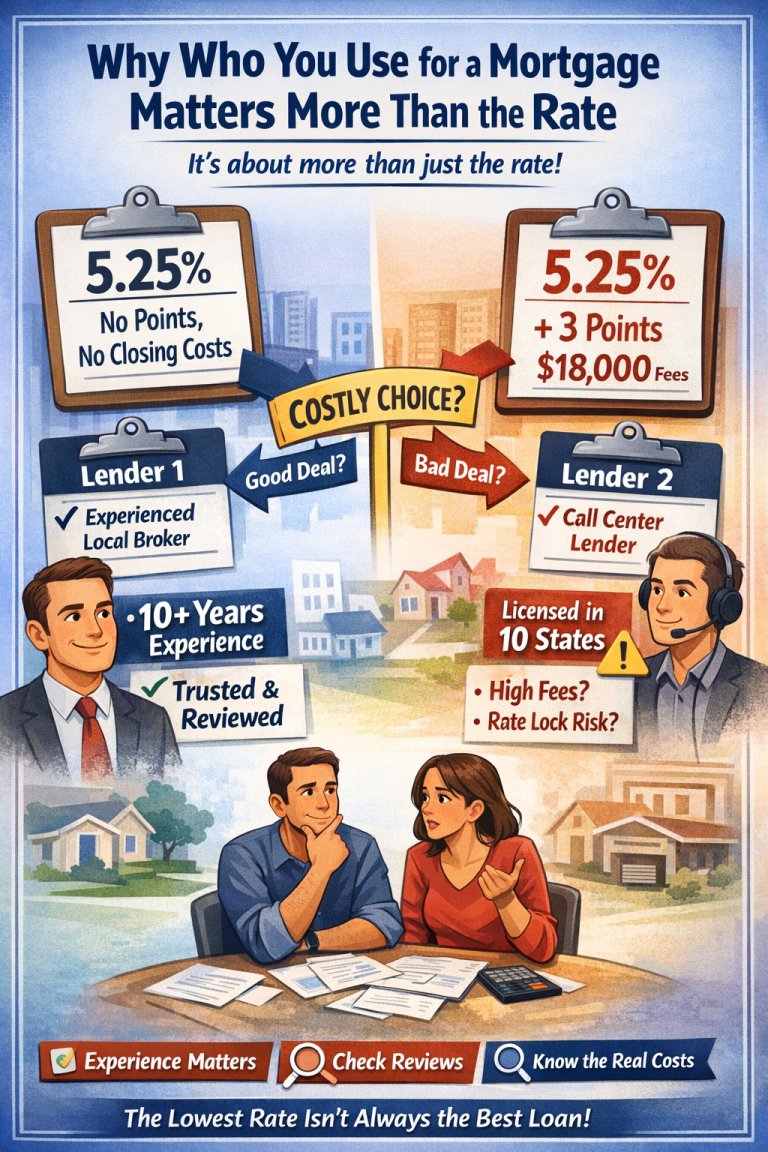
Why Who You Use for a Mortgage Matters More Than the Rate
Who you use for a mortgage loan matters. Let’s walk through a very real scenario…

On Hold or Just Unsure? Why You Wanted to Buy in the First Place
Every so often, someone gets pre-approved, looks at homes, runs numbers… and then says, “We’re…

Should You Pay Off Credit Cards Before Buying a Home?
One of the most common objections home buyers provide is this: “I want to wait…
View More from The Mortgage Files:
begin your mortgage journey with sonoma county mortgages
Let us make your mortgage experience easy. Trust our expertise to get you your best mortgage rate. Click below to start turning your home dreams into reality today!