
Breaking Free from High-Interest Debt: How Refinancing Can Lighten the Load
In 2025, many American households are grappling with the weight of credit card debt. With interest rates soaring and balances climbing, the financial strain is palpable. However, refinancing offers a viable path to relief, potentially transforming high-interest obligations into manageable payments.
The Current Debt Landscape
Recent data reveals that U.S. households collectively owe approximately $1.211 trillion in credit card debt, with the average household carrying about $9,214. This debt often accrues at steep interest rates, exacerbating financial burdens.
Credit card interest rates have reached alarming levels. As of early 2025, the average rate stands at 24.20% APR. Such high rates can significantly inflate monthly payments, making it challenging for families to reduce their principal balances.
The Impact on Households
High-interest debt affects more than just bank accounts. It can delay major life decisions, such as purchasing a home or saving for retirement. According to a recent survey, 64% of credit card debtors have postponed financial milestones due to their debt.
Refinancing as a Solution
Refinancing involves replacing existing high-interest debt with a new loan at a lower interest rate. By consolidating credit card balances into a mortgage refinance, homeowners can benefit from:
-
Lower Interest Rates: Mortgage rates are typically lower than credit card rates, reducing the overall interest paid.
-
Simplified Payments: Combining multiple debts into one monthly payment streamlines finances.
-
Improved Cash Flow: Lower monthly payments can free up funds for other expenses or savings.
Choosing the Right Term
When refinancing, selecting the appropriate loan term is crucial:
-
30-Year Term: Offers the lowest monthly payments, providing immediate relief.
-
20-Year Term: Balances lower payments with faster debt repayment.
-
15-Year Term: Higher monthly payments but significant interest savings over time.
The choice depends on individual financial goals and current obligations.
Considerations Before Refinancing
While refinancing can be beneficial, it’s essential to consider:
-
Closing Costs: These can add to the overall loan amount.
-
Loan Terms: Extending the loan term may result in paying more interest over time.
-
Discipline: Avoid accruing new credit card debt post-refinance to prevent a cycle of debt.
Final Thoughts
Refinancing presents an opportunity to alleviate the burden of high-interest credit card debt. By securing a lower interest rate and consolidating payments, families can regain financial stability and focus on future goals. It’s a strategic move that, when executed thoughtfully, can lead to long-term financial well-being.
Looking to get a mortgage? Get a free or no-cost rate quote today!
Share:
RELATED MORTGAGE ADVICE FROM SCOTT SHELDON
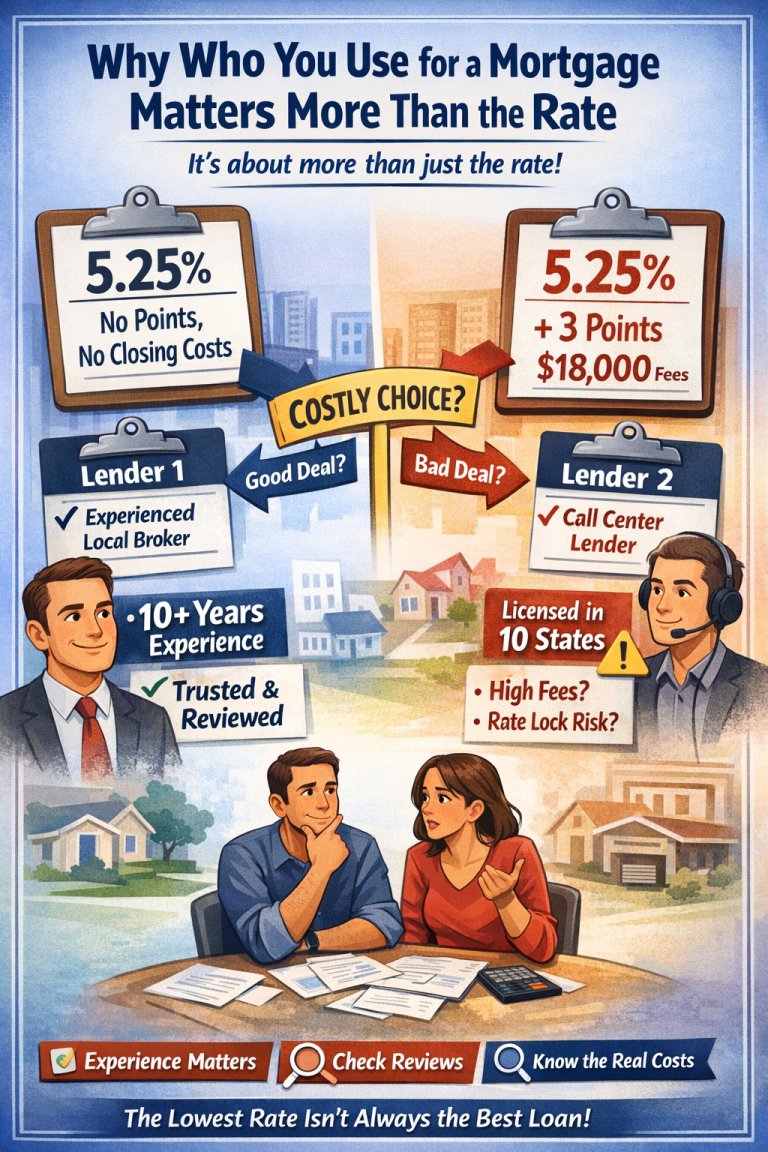
Why Who You Use for a Mortgage Matters More Than the Rate
Who you use for a mortgage loan matters. Let’s walk through a very real scenario…

On Hold or Just Unsure? Why You Wanted to Buy in the First Place
Every so often, someone gets pre-approved, looks at homes, runs numbers… and then says, “We’re…

Building on Land or Manufactured Homes – The Hidden Costs You Need to Know
For many buyers, the idea of buying a vacant parcel of land and building their…

Capital Gains with a Mortgage – What Homeowners Need to Know
Many homeowners assume that selling a house with an existing mortgage complicates their tax situation—but…
View More from The Mortgage Files:
begin your mortgage journey with sonoma county mortgages
Let us make your mortgage experience easy. Trust our expertise to get you your best mortgage rate. Click below to start turning your home dreams into reality today!