
If you’re a military veteran looking to purchase or refinance a home using a VA loan, there are several lesser-known benefits and rules that can make the process easier. Many mortgage lenders are unaware of these details, so it’s essential to educate yourself to maximize the advantages of your VA loan. Here are some key insights that can help you navigate the process with confidence.
1. No Lease Agreement Needed for Departing Residence
If you have a VA loan on your current home and want to buy a new home using another VA loan, you do not need a lease agreement to verify rental income from your departing residence. Unlike FHA loans, VA loans do not require a 25% equity position or any specific lease agreement verification, as long as both loans are VA.
2. No 100-Mile Rule
For FHA loans, if you want to use rental income from your departing residence to qualify for a new loan, the new home must be at least 100 miles away from the old one. VA loans have no such restriction. If you have enough entitlement, you can buy a new home with a VA loan without worrying about distance limitations.
3. No Flip Rule
FHA loans require a 91-day waiting period before you can use an FHA loan on a property that has been recently flipped. VA loans do not have this requirement. If the transaction makes sense and the appraisal supports the value, a VA loan can be used immediately.
4. Gift Money Can Come from Anyone
Unlike conventional and FHA loans, which require gift money to come from a close relative, VA loans allow gift funds from anyone—even your next-door neighbor. This flexibility makes it easier for veterans to secure funds for their home purchase.
5. No Roof Certification Requirement
VA loans do not require a roof certification as long as there are no visible leaks. This is a significant advantage over other loan types, which often mandate strict roof condition assessments.
6. Non-Borrowing Spouse’s Income Can Be Used
If your spouse is not on the loan but has income, that income can still be used to meet VA residual income requirements. This is a game-changer for many veterans looking to qualify for a VA loan without needing their spouse to co-sign.
7. No Ongoing Condo Approval Needed
If a condo complex was once VA-approved, it remains VA-approved indefinitely. Unlike FHA, which requires renewal of condo approvals, VA does not have this requirement. Additionally, if a condo complex was never VA-approved, you can request an individual unit approval waiver with a written letter from the military veteran buyer.
8. VA Loans Allow Non-Veteran Co-Borrowers with a Small Down Payment
If you’re a veteran looking to purchase a home with someone who is not a veteran, you can still use a VA loan, but it requires a 12.5% down payment or 12.5% equity if it’s a refinance. This is still significantly lower than the down payment required for most conventional loans.
Final Thoughts: Why VA Loans Are the Best Option for Veterans
VA loans offer more flexibility, fewer restrictions, and better terms than conventional or FHA loans. Whether you’re looking to purchase a new home or refinance your current one, understanding these lesser-known VA loan benefits can save you time, money, and stress.
If you’re a military veteran considering a home purchase or refinance, make sure you’re working with a VA loan expert who understands all of these rules. If your lender isn’t aware of these advantages, it may be time to find one who is!
Want to learn more?Get a free rate quote today!
Share:
RELATED MORTGAGE ADVICE FROM SCOTT SHELDON

Why Timing the Housing Market Doesn’t Work (And What Actually Does)
Let’s start with a simple idea: trying to perfectly time the housing market is not…
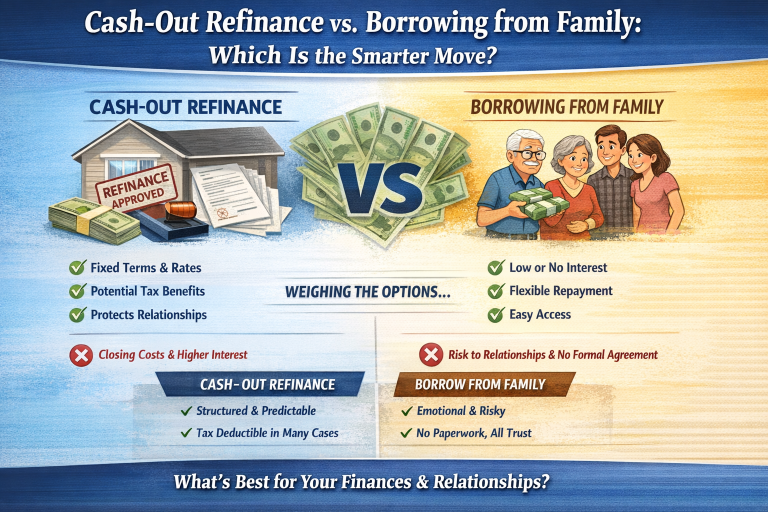
Cash-Out Refinance vs. Borrowing from Family: Which Is the Smarter Move?
You’ve built equity in your home. Maybe a lot of it. At the same time,…
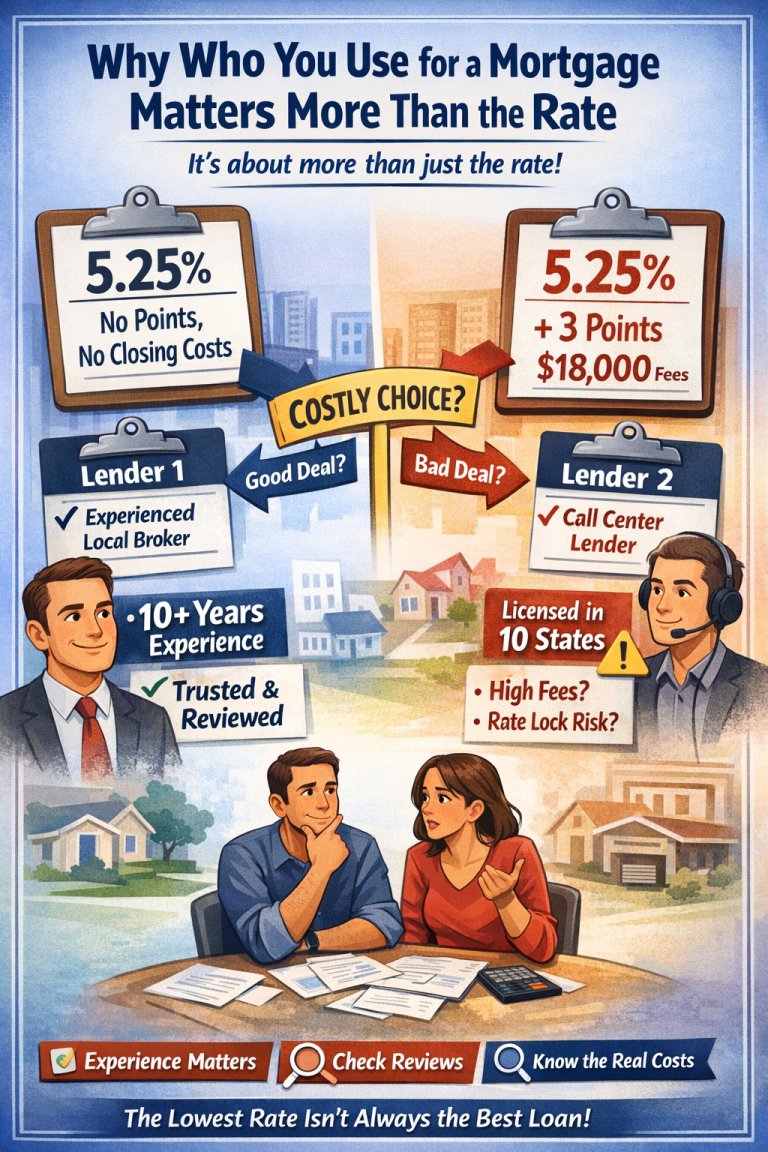
Why Who You Use for a Mortgage Matters More Than the Rate
Who you use for a mortgage loan matters. Let’s walk through a very real scenario…

On Hold or Just Unsure? Why You Wanted to Buy in the First Place
Every so often, someone gets pre-approved, looks at homes, runs numbers… and then says, “We’re…
View More from The Mortgage Files:
begin your mortgage journey with sonoma county mortgages
Let us make your mortgage experience easy. Trust our expertise to get you your best mortgage rate. Click below to start turning your home dreams into reality today!