
Let’s start with a simple idea: trying to perfectly time the housing market is not a winning strategy.
It sounds good in theory. Wait for rates to drop. Wait for prices to fall. Wait for the “right moment.” But here’s the reality—no one consistently gets that timing right. Not individual buyers. Not seasoned investors. Not even high-level hedge fund managers with massive resources.
So if they can’t predict it accurately, why would we build our home buying strategy around guessing?
Instead of looking outward at the market, the better move is to look inward—at what you can actually control.
The Myth of Perfect Timing
Let’s say you’re thinking about buying a home today at a 6.25% interest rate.
You hesitate. You think, “What if rates drop to 5% next year?”
That’s a fair thought. But here’s what often gets missed:
- What if home prices rise while you wait?
- What if competition increases and you lose negotiating power?
- What if you spend another year renting with no equity gained?
Even if rates drop later, there’s no guarantee you’ll be better off overall.
Trying to hit the exact “bottom” of rates or prices is like trying to catch a falling knife. It’s unpredictable and risky.
What You Can Control
The smarter approach is focusing on the factors that actually move the needle in your financial life.
Here’s where you should be putting your energy:
1. Your Income
Your income determines your buying power. Increasing income—even modestly—can open up better loan options and improve affordability.
2. Your Debt
Lower debt means better ratios. Better ratios mean better approvals and often better pricing.
3. Your Credit Score
This is one of the biggest levers you have. A higher score can significantly improve your loan terms.
4. Your Cash and Savings
Having reserves gives you flexibility. It helps with closing costs, negotiating power, and peace of mind.
5. Your Spending Habits
This is the one most people overlook. Your relationship with money—how you spend, save, and prioritize—has a long-term impact far beyond any interest rate.
Real Estate Is a Long-Term Game
Real estate is not a short-term trade. It’s a buy-and-hold strategy.
When you approach it that way, timing matters less—and consistency matters more.
Over time:
- Home values tend to rise
- Loan balances get paid down
- Equity builds
- Inflation works in your favor
If you hold property long enough, small differences in interest rate timing become far less important.
The Renting vs. Owning Shift
One of the biggest turning points for many buyers is moving from renting to owning.
When you rent:
- You’re paying with after-tax dollars
- You gain no equity
- Your payment often increases over time
When you own:
- A portion of your payment builds equity
- You may benefit from tax advantages
- You gain control and stability
This shift—from paying 100% of your income toward rent to redirecting part of it into ownership—is often where things start to click financially.
It’s not just about the payment. It’s about the structure of how your money works for you.
“Date the Rate, Marry the House”
You’ve probably heard this phrase, and there’s truth to it.
If you buy today at 6.25% and rates drop later:
- You can explore refinancing
- You improve your payment down the road
But if you wait and prices go up:
- You can’t go back and buy at yesterday’s price
The opportunity cost of waiting is often higher than people realize.
Why Guidance Matters More Than Ever
In today’s market, who you work with matters—a lot.
You need:
- Clear guidance
- Real numbers, not guesses
- A strategy tailored to your situation
- Someone who can help you make sense of trade-offs
This isn’t a one-size-fits-all decision. It’s a financial strategy.
Education, experience, and having the right team around you can make the difference between feeling stuck and moving forward with confidence.
Final Thoughts
Trying to time the housing market is a distraction.
It pulls your focus toward something you can’t control and away from the things that actually matter.
A better approach is simple:
- Strengthen your financial foundation
- Make a decision based on your current situation
- Think long-term, not short-term
If the numbers make sense today, and the home fits your life, that’s your signal—not the market headlines.
Because in the end, the people who win in real estate aren’t the ones who time it perfectly.
They’re the ones who get in, stay in, and let time do the work.
Looking to buy a house? Get a free rate quote now.
Share:
RELATED MORTGAGE ADVICE FROM SCOTT SHELDON
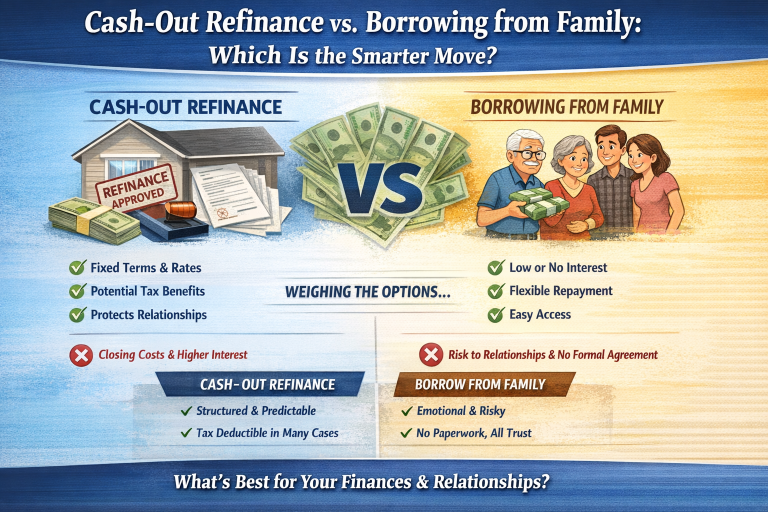
Cash-Out Refinance vs. Borrowing from Family: Which Is the Smarter Move?
You’ve built equity in your home. Maybe a lot of it. At the same time,…
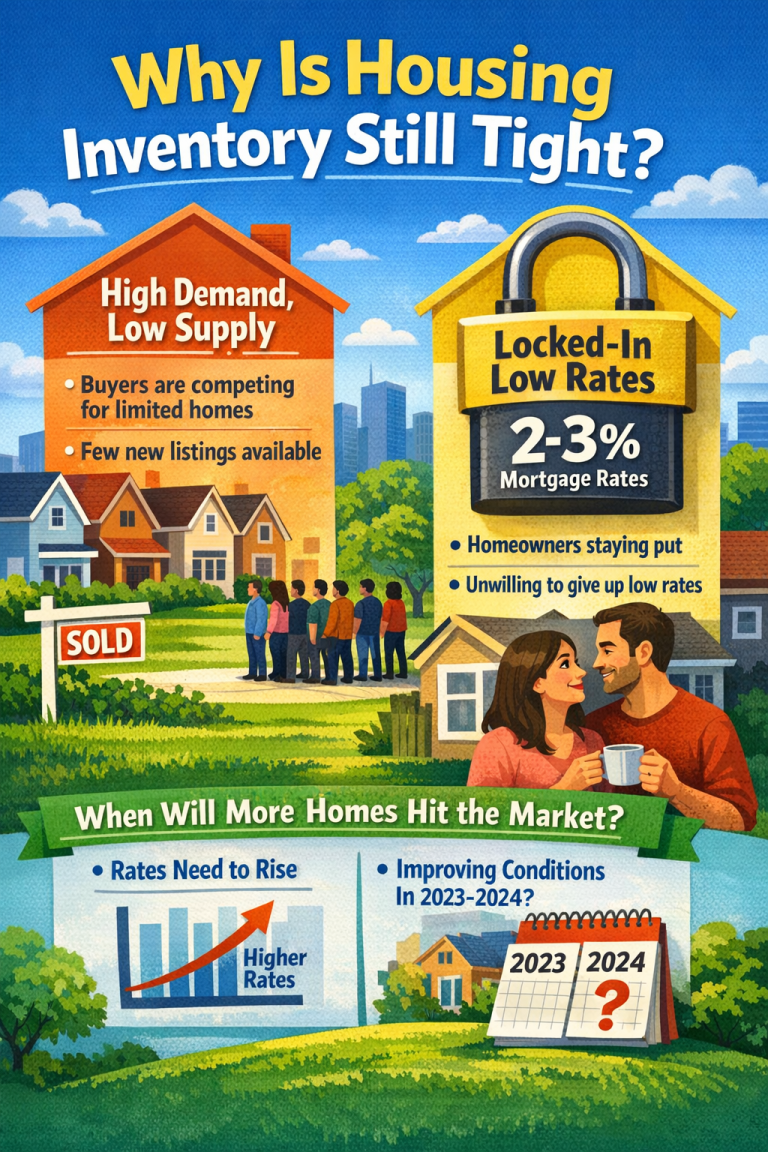
Why Housing Inventory Still Feels Tight—And What Interest Rates Have to Do With It
Let’s start with a simple but powerful scenario. A homeowner locked in a mortgage at…
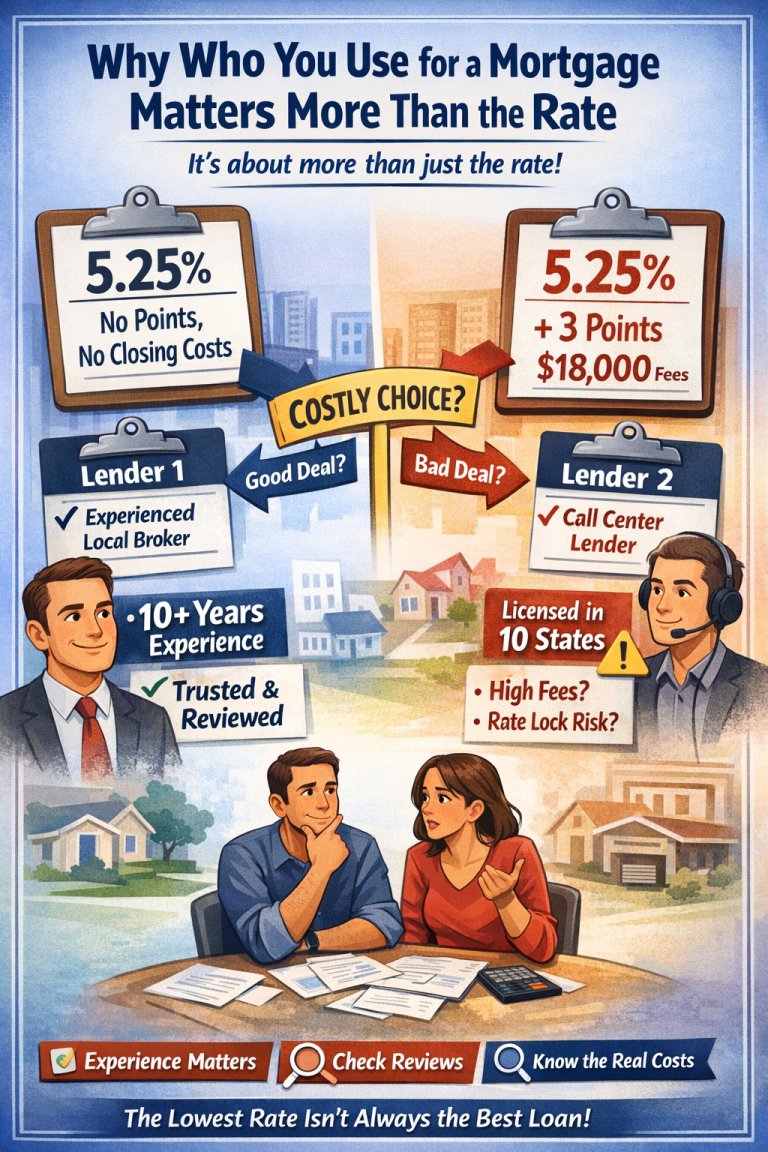
Why Who You Use for a Mortgage Matters More Than the Rate
Who you use for a mortgage loan matters. Let’s walk through a very real scenario…

On Hold or Just Unsure? Why You Wanted to Buy in the First Place
Every so often, someone gets pre-approved, looks at homes, runs numbers… and then says, “We’re…
View More from The Mortgage Files:
begin your mortgage journey with sonoma county mortgages
Let us make your mortgage experience easy. Trust our expertise to get you your best mortgage rate. Click below to start turning your home dreams into reality today!