
Buying a home isn’t just about having a place to call your own—it’s also one of the smartest long-term financial decisions you can make. Sure, you’ve probably heard that before, but let’s break it down in plain terms. If your lender can’t clearly explain the core financial advantages of owning a home—appreciation, tax deductions, and equity accumulation—then honestly, you may want to start looking for a new one. Here’s what you really need to know.
-
Appreciation: Your Home Gains Value Over Time Real estate is one of the few assets that tends to go up in value the longer you own it. That’s called appreciation. Historically, home prices in the U.S. increase by about 3–5% per year on average. That means the house you buy for $600,000 today could be worth over $700,000 in just five years—without you doing anything but living in it. And if you’re in a high-demand market like many parts of California, appreciation can be even stronger, especially during years with low inventory and high buyer demand. Here’s the key: with appreciation, you benefit from growth on the full value of the home, not just your down payment. If you put $60,000 down on a $600,000 home and the home rises in value by 10%, that’s a $60,000 gain—not bad for simply owning and maintaining your house.
-
Tax Deductions: Homeownership Has Built-In Tax Benefits When you own a home and have a mortgage, you’re eligible for certain tax write-offs that renters don’t get. These deductions help reduce your taxable income, which can mean real savings when April rolls around. Here are a few of the main ones: Mortgage interest deduction – In most cases, you can deduct the interest you pay on your mortgage loan, especially in the early years when interest makes up the bulk of your payment. Property tax deduction – You may also be able to deduct your local property taxes up to a certain limit. Points or loan origination fees – If you paid points to get a better rate, these may be deductible as well, depending on your filing status. Always consult your tax professional for personal advice, but the point is this: the IRS rewards homeownership, and those savings can really add up over time.
-
Equity Accumulation: Paying Yourself Instead of a Landlord Every time you make a mortgage payment, part of it goes toward the principal—that’s the amount you actually borrowed. That part of the payment helps you build equity, which is essentially your share of the home’s value. The longer you stay in the home, the more you pay down the loan, and the more equity you build. And don’t forget, if the value of your home is also appreciating, then you’re building equity two ways—by paying down your debt and owning an asset that’s rising in value. Think of equity like a forced savings plan—only it’s tied to a real asset you control, not the stock market. Eventually, you can use that equity to: Sell and use the proceeds for your next home, Tap into it with a home equity loan or line of credit, Refinance to better terms, Keep the property as a rental and roll the equity into a new purchase. In other words, equity gives you options. Renting doesn’t.
Bonus Tip: Your Lender Should Be Explaining All This A good lender does more than just spit out numbers and rates. They should help you understand the big picture—how a home loan can be a tool to build wealth, not just a monthly bill. If your lender can’t walk you through the why behind appreciation, tax savings, and equity growth in clear terms, it might be time to work with someone who can. Home financing isn’t just about qualifying—it’s about strategizing.
Final Thoughts Owning a home is still one of the best ways to build long-term wealth. Between appreciation, tax deductions, and equity buildup, it’s a strategy that rewards patience and smart planning. If you’re ready to stop renting and start investing in yourself, let’s talk about what’s possible. There’s no pressure—just clear, honest advice and real numbers to help you make the right move.
Looking to get a home loan? Start by getting a complimentary mortgage rate quote to day!
Share:
RELATED MORTGAGE ADVICE FROM SCOTT SHELDON
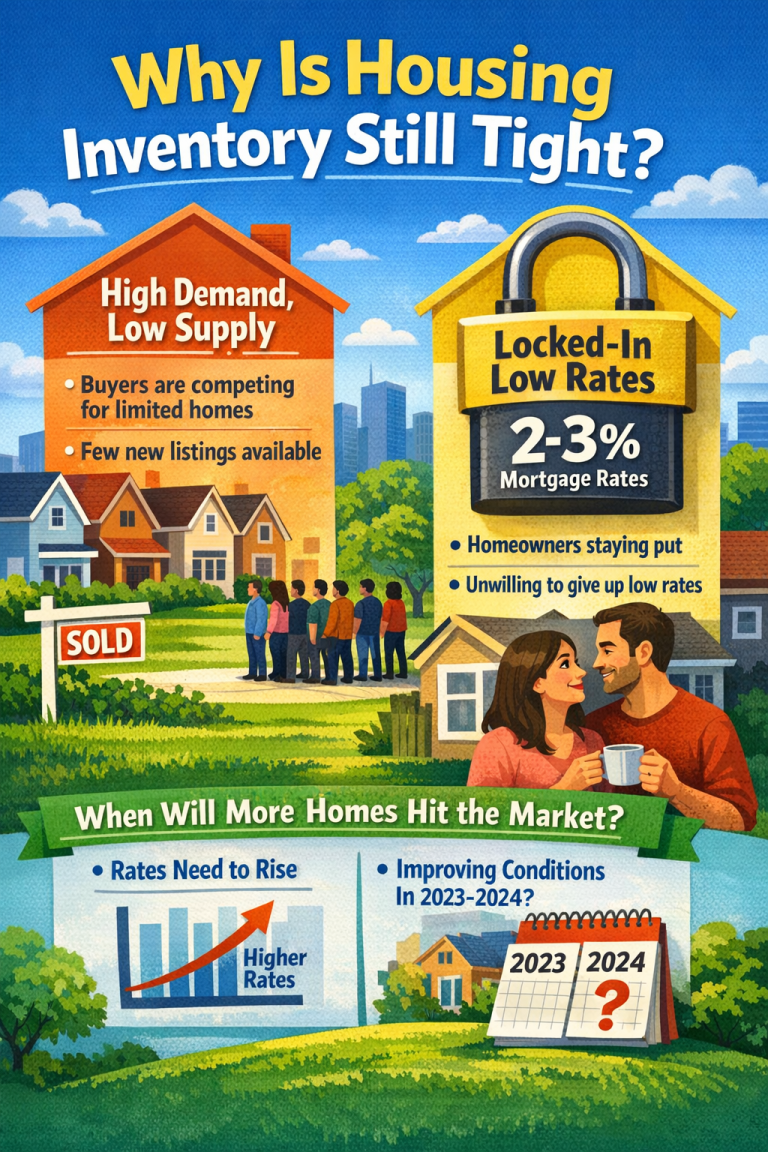
Why Housing Inventory Still Feels Tight—And What Interest Rates Have to Do With It
Let’s start with a simple but powerful scenario. A homeowner locked in a mortgage at…
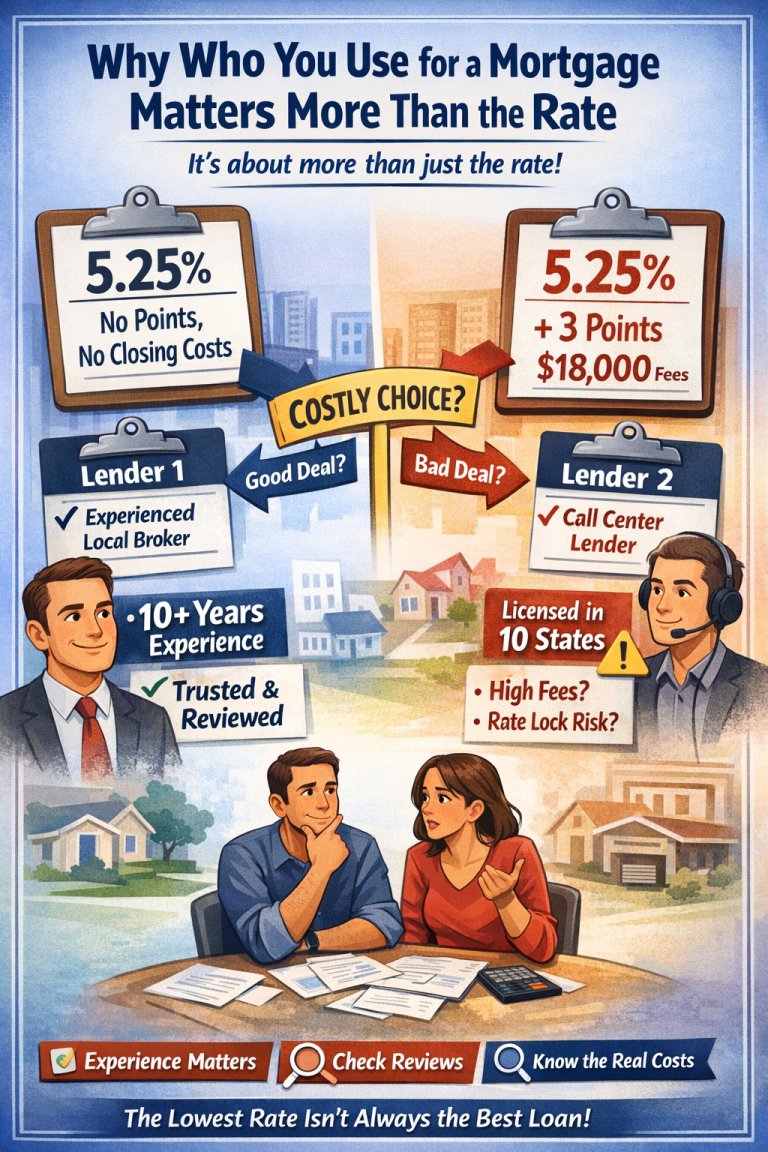
Why Who You Use for a Mortgage Matters More Than the Rate
Who you use for a mortgage loan matters. Let’s walk through a very real scenario…

On Hold or Just Unsure? Why You Wanted to Buy in the First Place
Every so often, someone gets pre-approved, looks at homes, runs numbers… and then says, “We’re…

Should You Pay Off Credit Cards Before Buying a Home?
One of the most common objections home buyers provide is this: “I want to wait…
View More from The Mortgage Files:
begin your mortgage journey with sonoma county mortgages
Let us make your mortgage experience easy. Trust our expertise to get you your best mortgage rate. Click below to start turning your home dreams into reality today!