

For many retirees, the majority of their wealth is tied up in their home. Over time, that house becomes more than a place to live—it becomes a significant financial asset. A reverse mortgage offers a way to turn part of that home equity into usable funds without selling the property or taking on new monthly payments. But while reverse mortgages can provide meaningful relief for retirees, they’re not without trade-offs. Understanding when one makes sense—and when it might not—is key to making a smart decision.
What Is a Reverse Mortgage?
A reverse mortgage is a special type of loan available to homeowners aged 62 or older. It allows you to convert a portion of your home equity into cash, a line of credit, or monthly payments while continuing to live in your home. Unlike a traditional mortgage, you don’t make monthly payments—the balance increases over time as interest accrues. The loan is typically repaid when the borrower sells the home, moves out permanently, or passes away.
The most common program is the Home Equity Conversion Mortgage (HECM), insured by the Federal Housing Administration (FHA). These federally backed loans have consumer safeguards, including required counseling and limits on how much can be borrowed based on your age, home value, and interest rates.
When a Reverse Mortgage Might Make Sense
Used strategically, a reverse mortgage can turn dormant equity into a steady resource. It may make sense if you:
- Need extra cash flow in retirement: If you’re living on a fixed income and your savings are tight, a reverse mortgage can supplement monthly income or provide a safety net for unexpected expenses.
- Want to eliminate a current mortgage payment: A reverse mortgage can pay off your existing home loan, immediately improving your cash flow.
- Plan to stay in your home long-term: If you intend to “age in place,” this option lets you remain in your home while tapping the equity you’ve built.
- Need flexibility in your retirement plan: Some borrowers use reverse mortgages as a standby line of credit, only drawing funds when markets decline or emergencies arise.
In the right situation, a reverse mortgage can help retirees maintain independence and preserve other retirement investments for longer. It can also make sense for couples looking to stabilize income or pay for in-home care.
Risks and Considerations
Reverse mortgages aren’t free money—they’re complex financial products with important obligations. Here are key considerations:
- Rising balance and shrinking equity: Because you don’t make payments, your loan balance grows as interest accrues. Over time, this reduces how much equity remains in your home.
- Reduced inheritance: When the borrower passes away, the home is usually sold to repay the loan. This can leave less value for heirs.
- Ongoing homeowner responsibilities: You must continue to pay property taxes, insurance, and maintenance costs. Failure to do so could lead to default and potential foreclosure.
- Fees and interest: Reverse mortgages can carry higher closing costs and interest rates than standard loans, though these are usually rolled into the loan itself.
- Permanent move triggers repayment: If you move out or into assisted living for more than 12 months, the loan becomes due.
Alternatives to a Reverse Mortgage
Before committing, consider other ways to access your home’s equity or improve cash flow:
- Home Equity Line of Credit (HELOC): Offers flexibility with lower costs, but you’ll need sufficient income to qualify and make monthly payments.
- Cash-Out Refinance: Replaces your current mortgage with a new one while giving you cash back. This works best if you can handle the payment comfortably.
- Downsizing: Selling your home and purchasing a smaller property can free up cash and reduce expenses like taxes and utilities.
To better understand equity access options, see The Smart Way to Use Your Home Equity and How Much Home Can You Really Afford?.
Is It Right for You?
A reverse mortgage is most beneficial for retirees with high home equity, minimal savings, and a strong desire to remain in their home. It’s not a short-term solution—if you anticipate moving within a few years or plan to pass your property to heirs free of debt, it might not be the best option. But for those who value financial flexibility and security in retirement, it can be a powerful tool.
The key is thoughtful planning. Work with a trusted lender and financial advisor to understand how a reverse mortgage fits into your broader retirement strategy. Properly used, it can supplement income, reduce financial stress, and extend the longevity of your other retirement assets.
Looking to get a mortgage? Get a complimentary mortgage rate quote now.
Share:
RELATED MORTGAGE ADVICE FROM SCOTT SHELDON
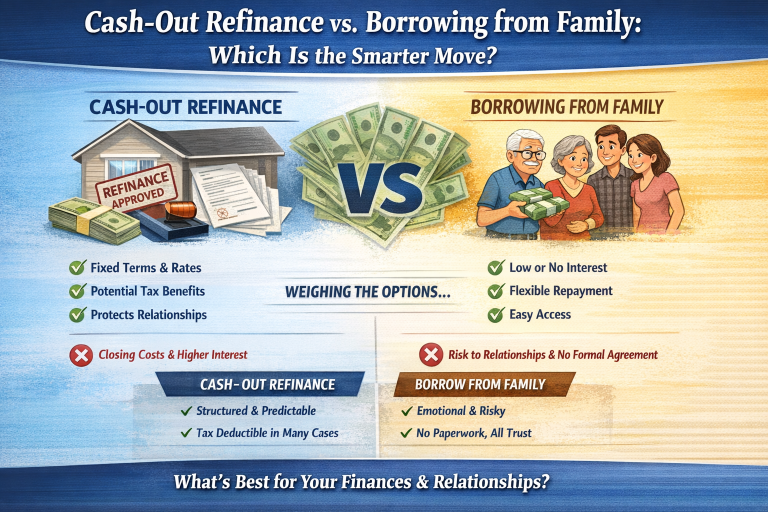
Cash-Out Refinance vs. Borrowing from Family: Which Is the Smarter Move?
You’ve built equity in your home. Maybe a lot of it. At the same time,…
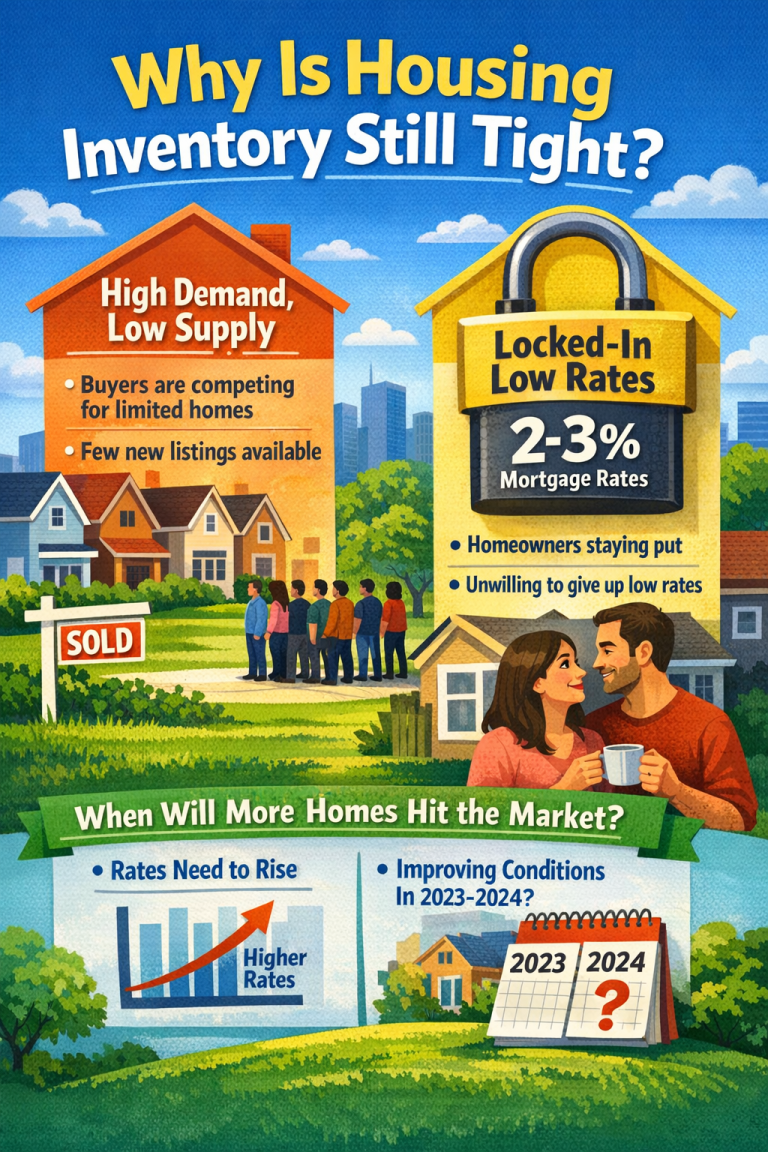
Why Housing Inventory Still Feels Tight—And What Interest Rates Have to Do With It
Let’s start with a simple but powerful scenario. A homeowner locked in a mortgage at…
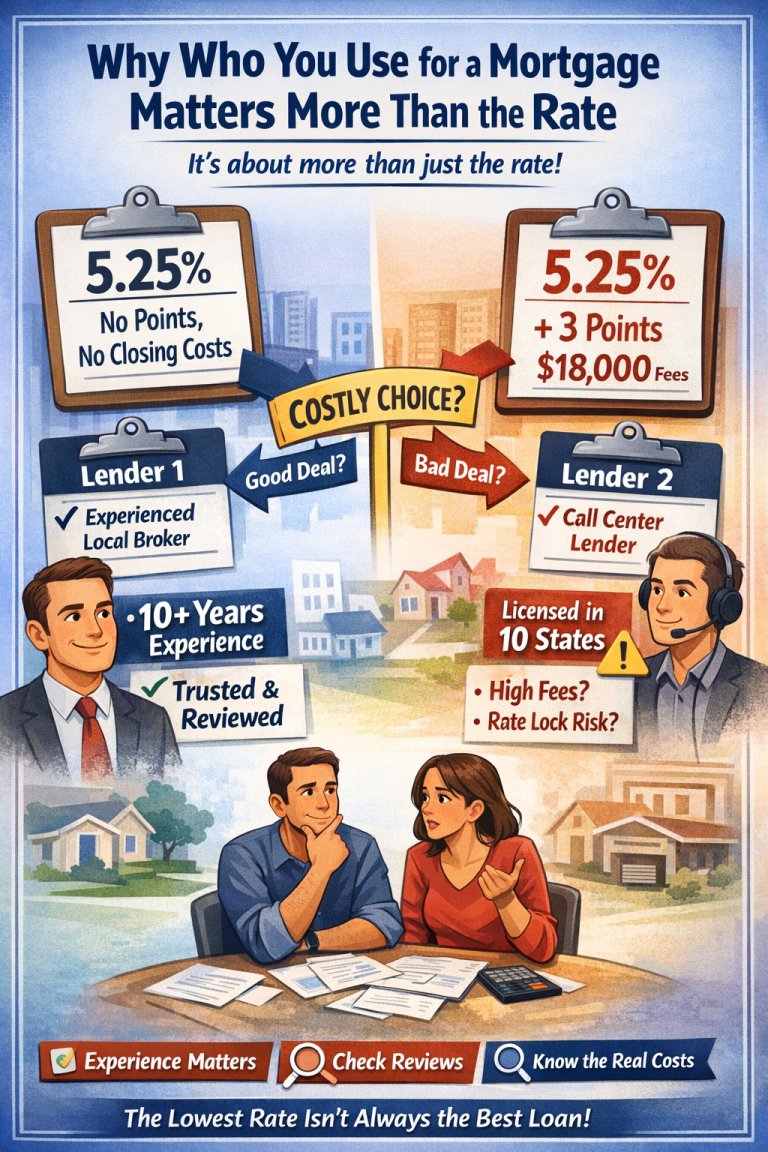
Why Who You Use for a Mortgage Matters More Than the Rate
Who you use for a mortgage loan matters. Let’s walk through a very real scenario…
On Hold or Just Unsure? Why You Wanted to Buy in the First Place
Every so often, someone gets pre-approved, looks at homes, runs numbers… and then says, “We’re…
View More from The Mortgage Files:
begin your mortgage journey with sonoma county mortgages
Let us make your mortgage experience easy. Trust our expertise to get you your best mortgage rate. Click below to start turning your home dreams into reality today!