
Buying a home is exciting — but it also comes with decisions that matter. One of the key choices you’ll face is how to cover your down payment. Should you use a down payment assistance (DPA) program, or simply put down 3.5% using a Federal Housing Administration (FHA)-insured loan? Let’s break it down in a straightforward, realistic way so you can decide what’s best for you.
What Are You Really Buying Into?
With an FHA loan, you can usually put down 3.5% of the purchase price if your credit score is 580 or higher. Down payment assistance programs, on the other hand, help buyers who may have good income and credit but less cash saved up front. These are often state or local programs or private loans that cover all or part of the down payment. The kicker? DPA programs often come with eligibility rules such as income limits, family size, and first-time buyer status — and sometimes a second loan attached to your home.
The Monthly Payment (and Lifetime Cost) Matters
If you put 3.5% down via FHA and finance the rest, your monthly payment might be lower than if you financed a larger “down payment” or second loan through DPA. The more you borrow, the more interest you’ll pay over time. By contrast, some DPA options wrap the assistance into a second mortgage or deferred loan, which may increase your overall monthly housing cost or limit how much you can borrow.
As an example, let’s compare a typical FHA loan with 3.5% down versus a DPA scenario where the down payment is financed instead of paid in cash. The difference could be $200–$400 per month, depending on home price, loan terms, and interest rate. That payment gap can make a big impact on your long-term financial picture and often translates to $50,000–$60,000 in additional buying power.
Liquidity and Flexibility Are Often Overlooked
Another key factor is liquidity — your ability to keep cash available for emergencies, repairs, or investments. If you use your own funds for the 3.5% down payment, you’re still keeping more cash in your pocket than if you went with a larger down payment requirement. Meanwhile, using DPA may save you upfront cash but could increase your monthly obligation or future debt load.
When life happens — unexpected repairs, job changes, or income fluctuations — having cash reserves gives you breathing room. Sometimes the “easiest” loan today isn’t the most sustainable one later.
Eligibility and Fine Print Matter
FHA loans have clearer, more standardized rules: down payment minimums, credit thresholds, and mortgage insurance costs. DPA programs vary widely — some are grants that don’t need repayment, while others act as second loans that must be repaid when you sell or refinance. Some may even restrict the type of home or require you to live there for a specific period. Always read the fine print and ask your lender for a transparent breakdown.
Which Scenario Fits Better for You?
Ask yourself these questions:
Do you already have the down payment saved? If yes, 3.5% down may keep your total borrowing lower.
Is your income strong and stable? Long-term affordability is key.
Do you prefer simpler terms? FHA is more straightforward; DPA can add layers of complexity.
Are you comfortable with more debt? DPA may finance more upfront costs.
What’s your timeline? DPA might speed things up, but saving a bit more could make your offer stronger.
If you can comfortably put down 3.5% and your income supports the payment, an FHA loan is often the stronger long-term play. You’ll borrow less and save more over time. If you’re short on cash but have steady income, a solid DPA program — especially one without income limits or dependent requirements — can help you get into a home sooner.
At Security National Mortgage Company, one such program is SN Close, which allows homebuyers to finance their down payment without income or family-size restrictions. Because it’s a privately held product (not government-subsidized), the down payment becomes a second mortgage built right into your monthly payment — keeping things simple while expanding access to homeownership.
- No matter which route you take, always compare both options side by side. A good lender will show you
- Total monthly payment
- Total loan amount and interest paid
- Cash needed to close
- How much buying power each scenario gives you
Final Word
Buying a home isn’t just about getting in — it’s about staying in comfortably for years. Down payment assistance programs can help bridge the gap for qualified buyers, but they often come with extra layers to understand. An FHA loan with 3.5% down keeps things simpler and can help you build stability sooner.
If you’re unsure which option is best, have an expert run the numbers with you. Seeing the payment, interest cost, and future flexibility in black and white makes all the difference.
Looking to get a mortgage? Get a complimentary mortgage rate quote now.
Share:
RELATED MORTGAGE ADVICE FROM SCOTT SHELDON
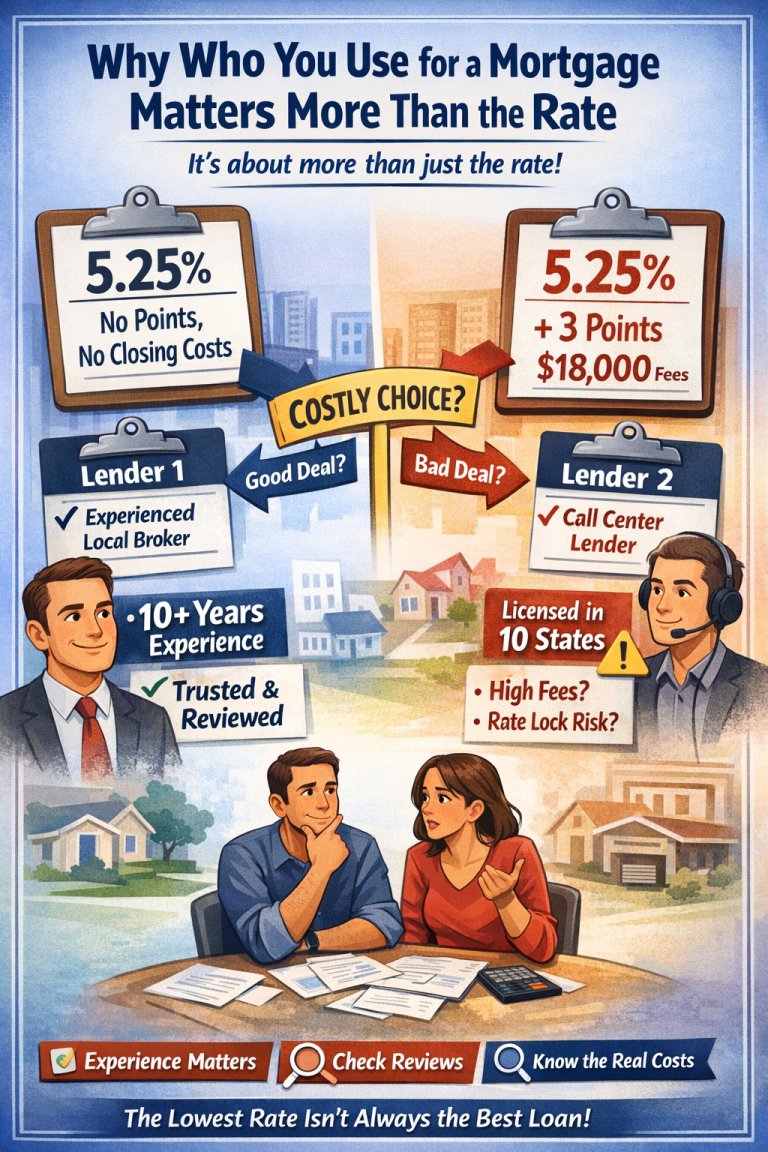
Why Who You Use for a Mortgage Matters More Than the Rate
Who you use for a mortgage loan matters. Let’s walk through a very real scenario…
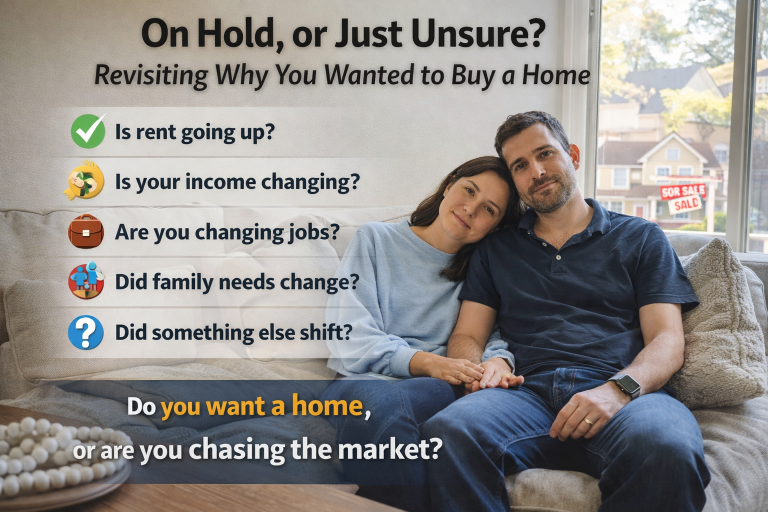
On Hold or Just Unsure? Why You Wanted to Buy in the First Place
Every so often, someone gets pre-approved, looks at homes, runs numbers… and then says, “We’re…
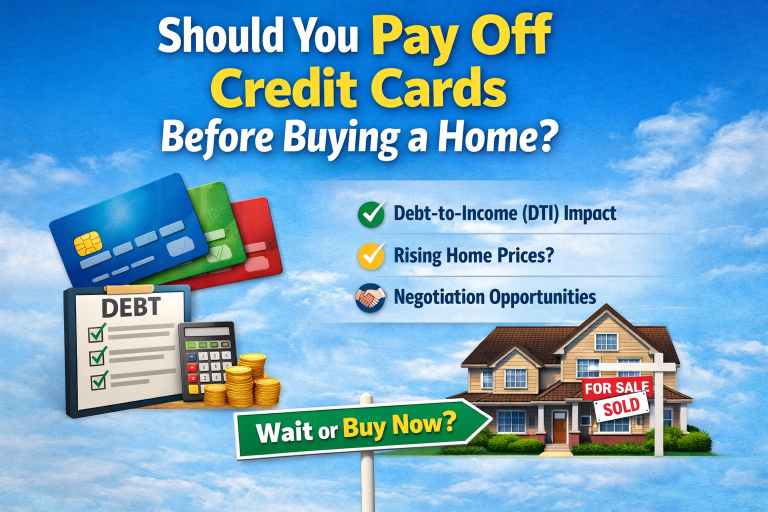
Should You Pay Off Credit Cards Before Buying a Home?
One of the most common objections home buyers provide is this: “I want to wait…
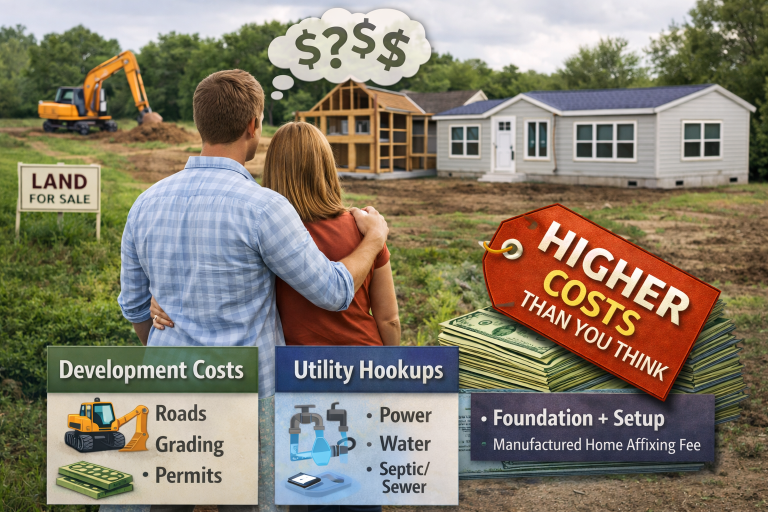
Building on Land or Manufactured Homes – The Hidden Costs You Need to Know
For many buyers, the idea of buying a vacant parcel of land and building their…
View More from The Mortgage Files:
begin your mortgage journey with sonoma county mortgages
Let us make your mortgage experience easy. Trust our expertise to get you your best mortgage rate. Click below to start turning your home dreams into reality today!