
When it comes to refinancing your mortgage, knowing your strike rate—the interest rate at which refinancing becomes worthwhile—can save you thousands. But how do you decide what your strike rate should be? And how do you determine whether the market is moving toward your goal? In this post, we’ll break down the concept of a strike rate, explain how market improvements influence mortgage rates, and offer a practical framework to help you decide when it’s time to refinance.
Your strike rate is the interest rate at which it makes financial sense to refinance your mortgage. It’s based on factors such as your current rate, the potential costs of refinancing, and how much you stand to save over the life of the loan. For example, if your current mortgage rate is 5.5%, and refinancing to 5.0% will save you enough to offset closing costs within a reasonable timeframe, 5.0% becomes your strike rate.
Mortgage rates are influenced by various factors, including the bond market, Federal Reserve policy, and economic trends. However, rates don’t drop significantly overnight—it usually takes a series of market improvements for rates to move meaningfully. For instance, after the November 2024 Fed meeting, where the Federal Reserve paused rate hikes, mortgage rates improved slightly. However, this improvement was only about 25 basis points (0.25%) for the average 30-year fixed-rate mortgage. Compare this to the September 2024 Fed meeting, where rates improved by about 50 basis points (0.50%) over several weeks following dovish signals from the Fed.
Let’s say the current average 30-year fixed mortgage rate is 6.0%, and your strike rate is 5.5%. To figure out how much the market needs to improve, follow these steps.
Determine your starting point. If the current rate is 6.0% and your strike rate is 5.5%, the difference is 0.5% (50 basis points). Factor in points. If you’re willing to pay 1 point (1% of the loan amount) upfront, this typically lowers your rate by about 0.25%. With this in mind, you only need the market to improve by 25 basis points to reach your strike rate. Assess market trends. If recent rate movements are averaging 10-25 basis points per week, it may take several weeks or even months for the market to improve enough to hit your strike rate.
Let’s say your current rate is 5.5%, and you’re aiming for 5.0% at no points. The market is offering 5.25% at 1 point today. Here’s how you’d assess. To achieve 5.0% at no points, the market must improve by 50 basis points (0.5%). If the market improves by only 25 basis points, you could pay 1 point to secure 5.0%. If the market doesn’t move further, you’ll need to wait for another 25 basis points in improvement to hit your goal. This systematic approach helps you monitor progress toward your target.
It’s important to understand that rate improvements don’t happen in a straight line. While the Federal Reserve influences long-term rates, their actions often cause incremental changes rather than dramatic shifts. Take the November 2024 Fed meeting as an example. While the pause in rate hikes created optimism, it wasn’t enough to cause rates to plummet overnight. Improvements happened gradually, influenced by market reactions to economic data and Fed commentary. Similarly, in September 2024, rates improved after signals that inflation was cooling, but the total improvement happened over weeks—not days. This is why patience and consistent monitoring are key when targeting your strike rate.
Know your costs. Calculate closing costs, including points, to ensure refinancing will save you money in the long term. Set realistic goals. Don’t wait for an unrealistic rate—target a strike rate that balances savings with market conditions. Monitor weekly trends. Follow market updates to see if the trend aligns with your refinancing goals. Work with experts. A trusted mortgage professional can provide insights into rate movements and help you decide when to act.
If you’re wondering whether the market is nearing your strike rate, we can help. Get a free mortgage rate quote today and let’s create a refinancing strategy that works for you.
Share:
RELATED MORTGAGE ADVICE FROM SCOTT SHELDON

Why Timing the Housing Market Doesn’t Work (And What Actually Does)
Let’s start with a simple idea: trying to perfectly time the housing market is not…

Cash-Out Refinance vs. Borrowing from Family: Which Is the Smarter Move?
You’ve built equity in your home. Maybe a lot of it. At the same time,…
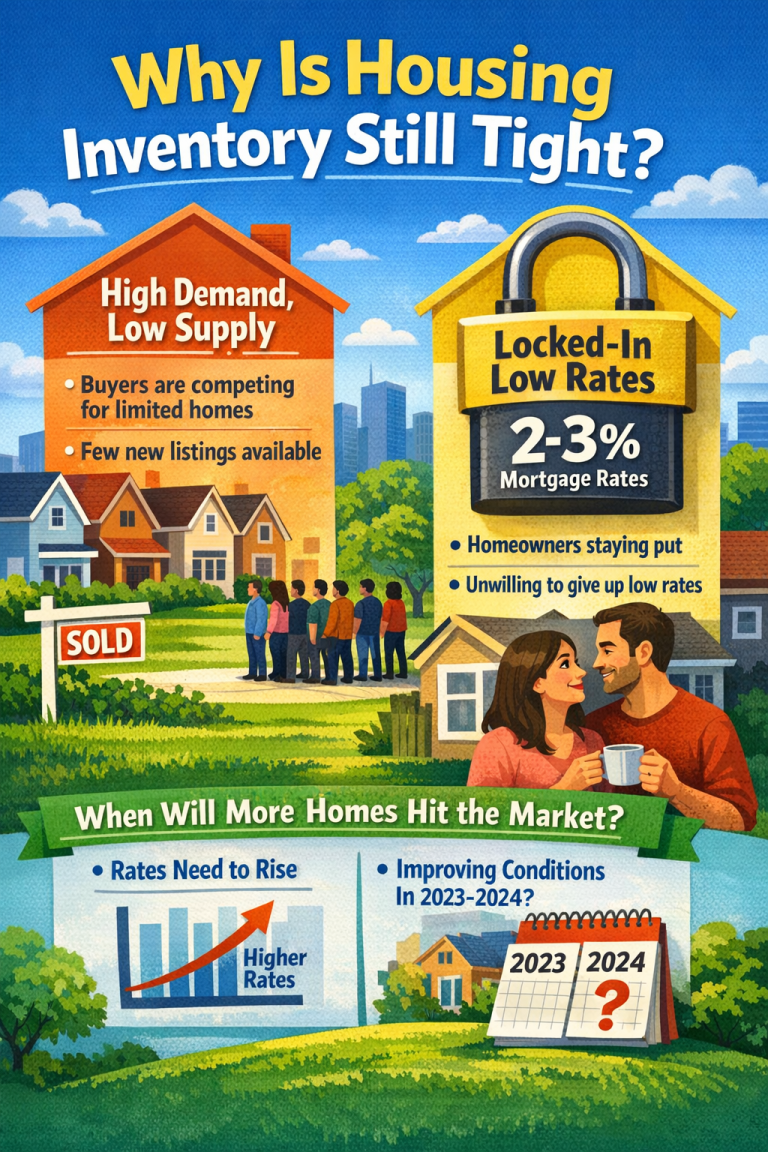
Why Housing Inventory Still Feels Tight—And What Interest Rates Have to Do With It
Let’s start with a simple but powerful scenario. A homeowner locked in a mortgage at…
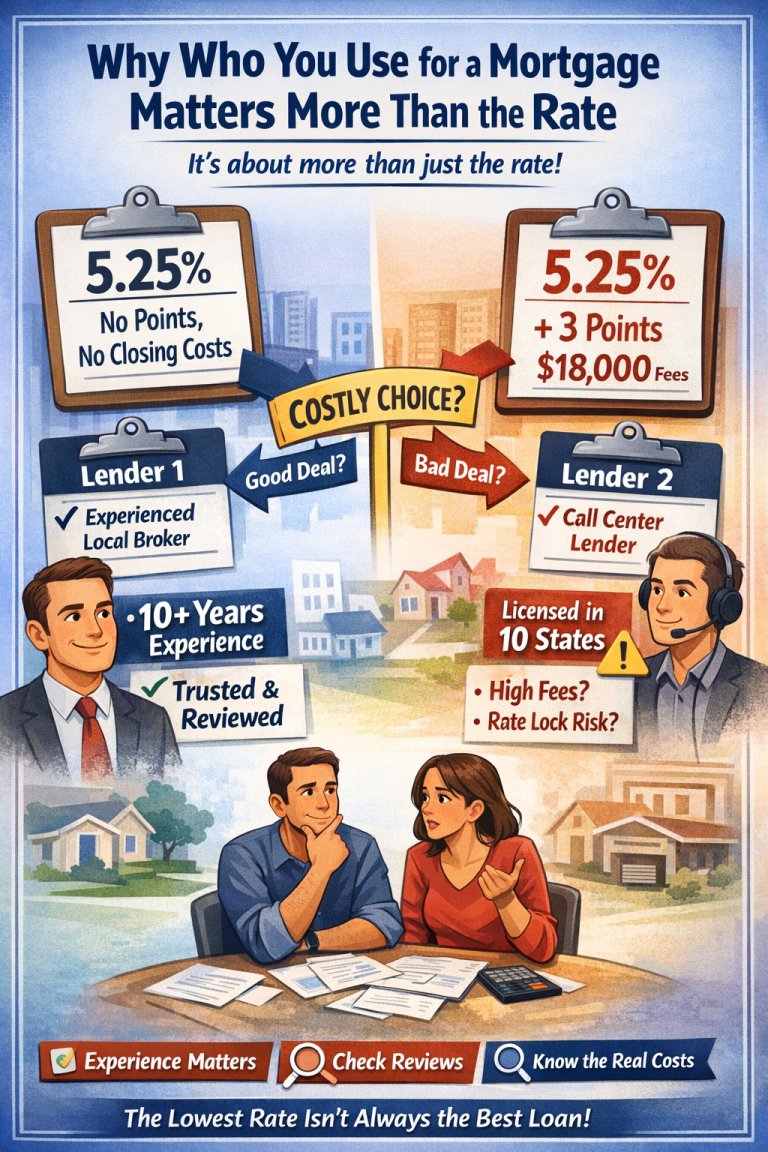
Why Who You Use for a Mortgage Matters More Than the Rate
Who you use for a mortgage loan matters. Let’s walk through a very real scenario…
View More from The Mortgage Files:
begin your mortgage journey with sonoma county mortgages
Let us make your mortgage experience easy. Trust our expertise to get you your best mortgage rate. Click below to start turning your home dreams into reality today!