
When interest rates are high, here’s how mortgage pricing works. Mortgage companies make money in two ways: the origination of the loan and the servicing of the loan, which involves collecting your monthly mortgage payments.
When interest rates are higher, say around 7%, mortgage aggregators assess the value of that mortgage. They think, “If rates are at 7% and we originate this loan, the servicing might last 45 to 67 months, for example.” However, if interest rates drop by 1%, the value of that servicing decreases, which introduces prepayment risk or early payoff (EPO) risk for the lender. This threatens the profitability of the loan.
As a result, points are often associated with loans in these environments. Lenders front-load the risk by charging points because, even if the loan is refinanced, the points paid make them whole. Given that the average interest rate over the last 30 years has been around 6%, it’s likely that rates may decrease, so lenders account for that with points.
Today’s mortgage rates often come with points, but the points required are generally lower. Recently, as the Federal Reserve cut interest rates and inflation threats have eased compared to six months ago, mortgages in the high 5% range might require 1 to 1.5 points. Previously, at 7%, those same mortgages would have required 2 points due to prepayment risk.
In today’s market, you can get a no-points loan at or just above 6%, with the likelihood of refinancing being low. The bond market and mortgage pricing have already factored in that rates may stay at these levels for about a year.
Looking forward, if you start seeing rates below 5.5% with lower points, that’s the market signaling a future decline in rates. When you get to a market where 5.375% or 5.5% loans come with no points, it’s a sign of where future mortgage rates are headed.
Bottom line: In the current market, you can get a preview of what’s to come by looking at a 30-year fixed-rate mortgage for a primary home without points, then comparing it to an option with points. The difference in rate is usually about 3/4 of a percent, meaning that paying a point and a half in costs is where the market expects future rates to be without points. This spread exists due to the risk lenders face if rates drop and loans get paid off early.
If you’re looking for a mortgage, get a free quote today!
Share:
RELATED MORTGAGE ADVICE FROM SCOTT SHELDON
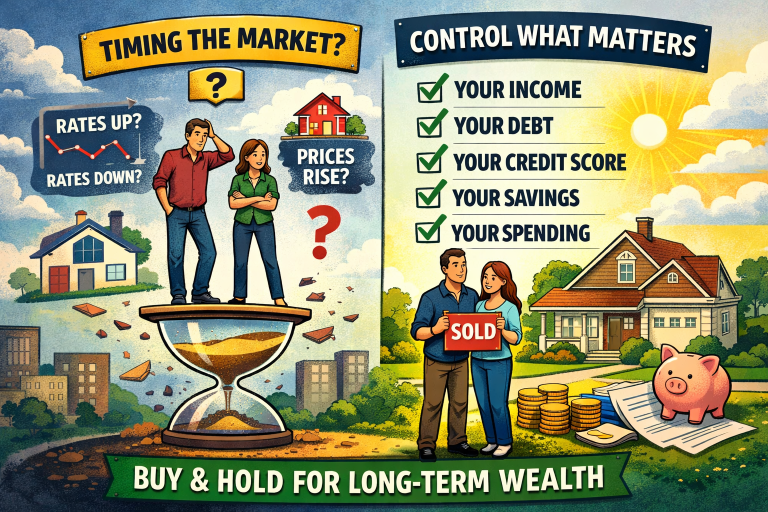
Why Timing the Housing Market Doesn’t Work (And What Actually Does)
Let’s start with a simple idea: trying to perfectly time the housing market is not…
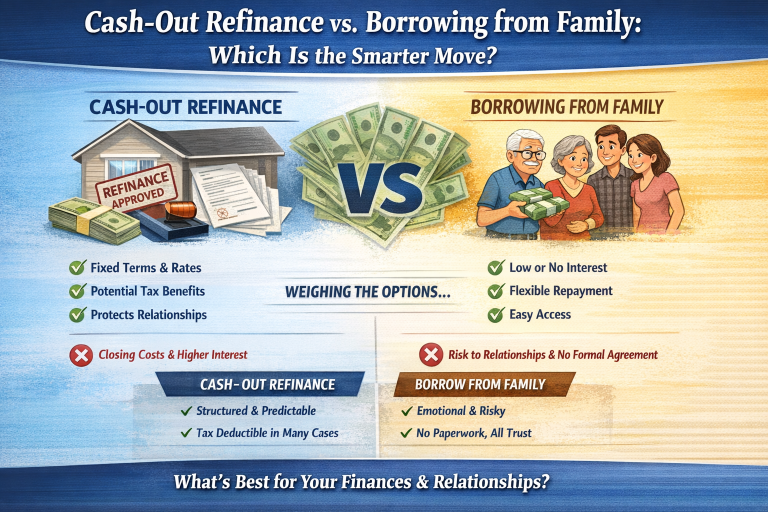
Cash-Out Refinance vs. Borrowing from Family: Which Is the Smarter Move?
You’ve built equity in your home. Maybe a lot of it. At the same time,…
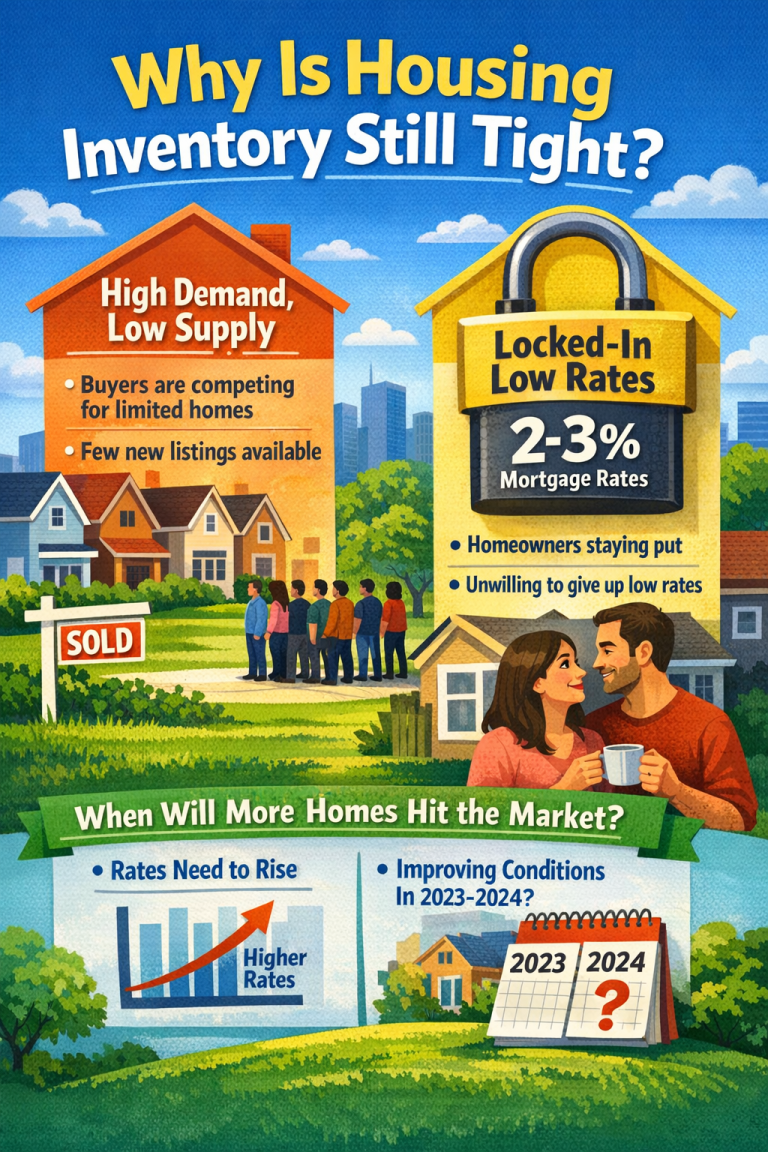
Why Housing Inventory Still Feels Tight—And What Interest Rates Have to Do With It
Let’s start with a simple but powerful scenario. A homeowner locked in a mortgage at…
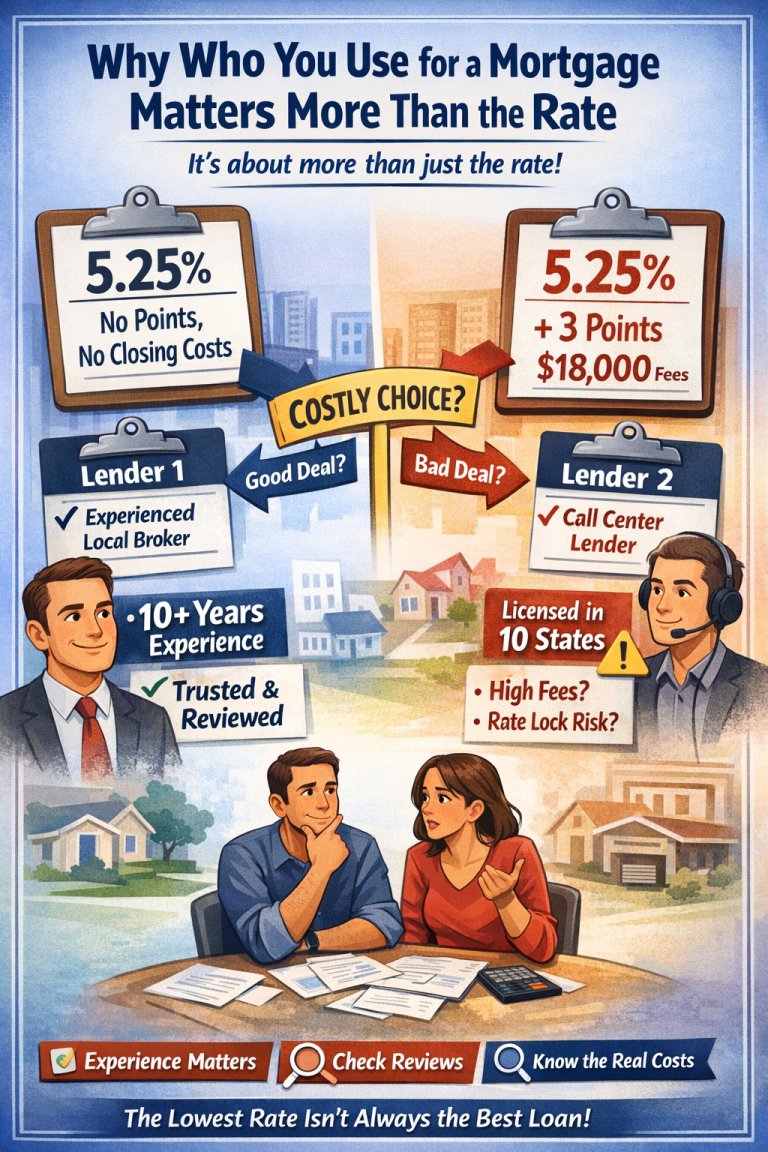
Why Who You Use for a Mortgage Matters More Than the Rate
Who you use for a mortgage loan matters. Let’s walk through a very real scenario…
View More from The Mortgage Files:
begin your mortgage journey with sonoma county mortgages
Let us make your mortgage experience easy. Trust our expertise to get you your best mortgage rate. Click below to start turning your home dreams into reality today!