
A program made popular in the height of the subprime lending environment was no-cost mortgages. No-cost loans have gained strong interest as consumers are savvy in deciphering loan terms, rates and how to qualify for credit in a constrictive lending environment. Whether buying a home or refinancing a mortgage, following are key differences between the two loan types consumers should play close attention to..
Lending Lingo Explained
Annual Percentage Rate (APR): is a function of blending the closing costs associated with the loan transaction and re-amortizing that figure over the term of the loan. On traditional loan financing, the APR is usually within .125% of the actual note rate tied to the loan amount sought.
What to know: APR is a comparative tool enforced by the Truth In Lending (TILA) to quickly assess cost differences between loan choices. The APR has no affect on what your principal and interest payment will be nor the note rate. APR represents a barometer of loan costs only.
No Cost Mortgage: often dubbed a “no-fees” mortgage is truly a “no cost” loan, no appraisal fee, no lender fees and no closing costs. These fees are in fact assessed by virtue of taking out the mortgage. The mortgage lender provides a credit at the close of escrow equal to the amount of the closing costs, thereby creating a “no fees” loan. Since this is the case, the APR would be equal to the interest rate. Mortgage lender will have to disclose the actual APR as though you were not getting the credit for closing costs because all figures have to be disclosed.
What To Know: No-cost mortgages will contain a higher interest rate and subsequent APR (due to the way lenders have to disclose), so you’re in essence, amortizing the closing costs over the life of the loan e.g. 360 months representing a 30 year fixed rate mortgage. The higher interest rate allows the lender to generate “overage” for the benefit of the consumer taking out the no-fees mortgage.
Low-Cost Mortgage: is a traditional mortgage all mortgage lenders offer that is considered standard, taking out home loan paying any applicable fees associated with doing so, excluding discount points. Included is a combination of the closing costs paid in accordance with financing and interest paid over time.
(Note in some cases pain discount points very well make sense, but for our purposes a low-cost mortgage is under the assumption of paying no discount points)
What To Know: low cost mortgages will contain lower rates than their no-cost mortgage counterparts. Because the lender does not have to inflate the rate for generating overage to pay the borrowers closing costs, the lender can reward the borrower by giving them premium pricing when it comes to the interest rate and terms.
Best Bang For The Buck No-Cost Mortgages Or Low-Cost Mortgages
Depends on how long you plan to hold the loan for and and financial goals. For example because the future for many is unknown in terms of how long the loan will be held for and/or how long the property will be held for, a low-cost mortgage is a strategy more conducive to the longer term as the realized benefits of the lower cost mortgage materialize over time. Conversely, if the property hold time or the loan payoff is going to be dramatically shorter such as within the next year, a no-cost mortgage may be more suitable.
Assumptions based on primary residence, with excellent
credit and 65% loan to value.
No-cost mortgage rate 4.125%/APR 4.26%
Low-cost mortgage rate 3.625%/3.76% APR
Based on the figures, after backing out the $2500 in closing costs, the low cost mortgage is $28,387 lower in mortgage interest over the life of 360 months. Looking at the monthly figures, $78.85 per month is the monthly interest benefit attainable on the low cost loans. Add the monthly payment savings benefit with the monthly interest savings benefit to compute total benefit for the lowest cost loan.
Steps to accurately compare figures between the two financing types
- Subtract the total interest the low-cost mortgage from the no-cost mortgage.
- Take this figure and divide it by the term of the loan for example 360 months (30 year fixed-rate mortgage) and then subtract the one-time closing costs from this figure (title fees, loan origination fee, recording fees etc.)
- If you do this correctly it will give you a monthly figure representing the monthly interest savings between the two loans.
- Next add in the payment savings generated by the lower interest rate and you’ll have the total monthly loan benefit of a low cost mortgage
*Mortgage Tip: don’t be fooled by a no-cost mortgage because there’s no such thing as a free lunch and no matter how good the advertisement is, you’ll pay the closing costs over the life of 360 months. A low cost mortgage will always net a better interest rate and subsequent lower payment.
Share:
Posted in:
RELATED MORTGAGE ADVICE FROM SCOTT SHELDON
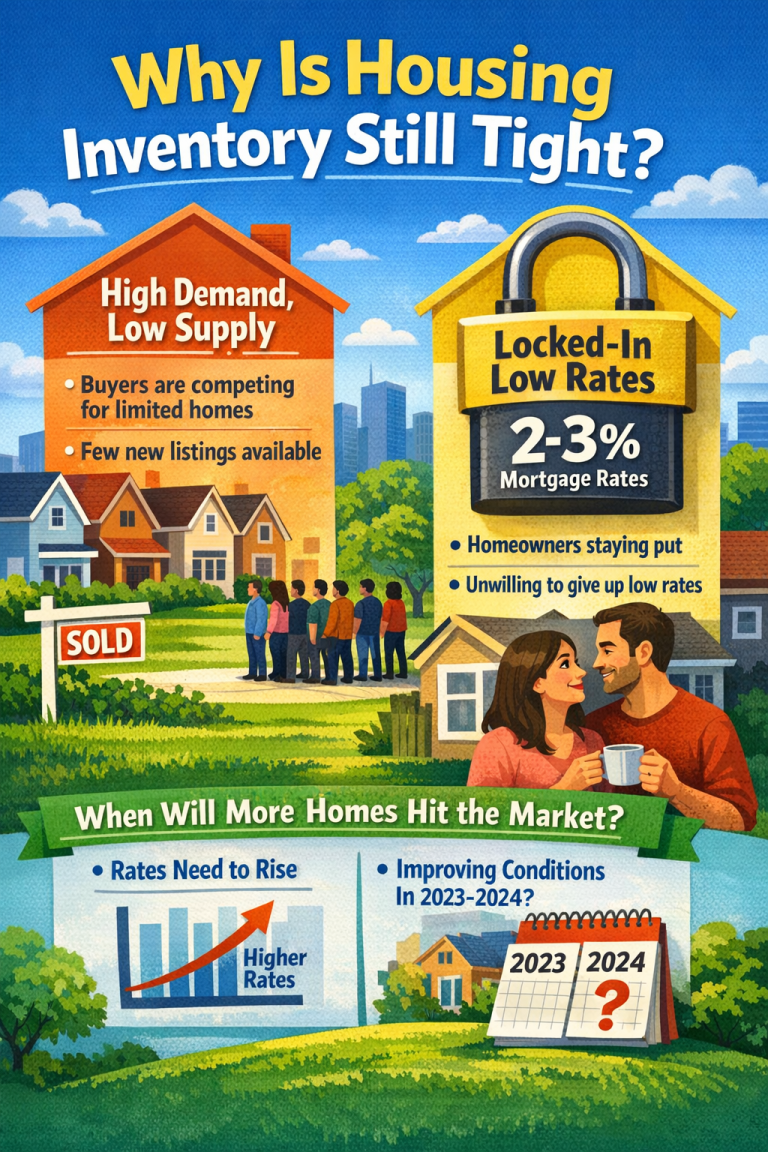
Why Housing Inventory Still Feels Tight—And What Interest Rates Have to Do With It
Let’s start with a simple but powerful scenario. A homeowner locked in a mortgage at…
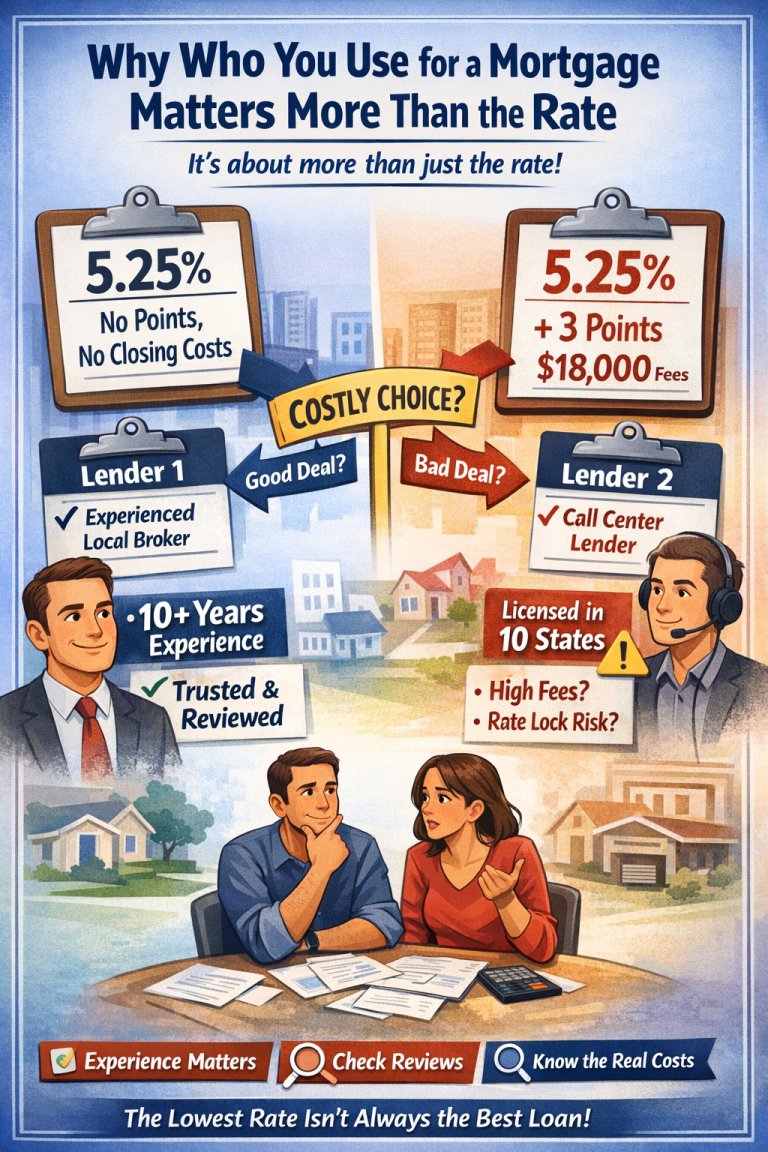
Why Who You Use for a Mortgage Matters More Than the Rate
Who you use for a mortgage loan matters. Let’s walk through a very real scenario…

On Hold or Just Unsure? Why You Wanted to Buy in the First Place
Every so often, someone gets pre-approved, looks at homes, runs numbers… and then says, “We’re…

Building on Land or Manufactured Homes – The Hidden Costs You Need to Know
For many buyers, the idea of buying a vacant parcel of land and building their…
View More from The Mortgage Files:
begin your mortgage journey with sonoma county mortgages
Let us make your mortgage experience easy. Trust our expertise to get you your best mortgage rate. Click below to start turning your home dreams into reality today!