
For many buyers, the idea of buying a vacant parcel of land and building their dream home—or placing a manufactured home on it—sounds both exciting and affordable. On paper, it may even look cheaper than buying a resale property in today’s competitive housing market. But the reality? Building from scratch, especially on raw land, or setting a manufactured home isn’t always the budget-friendly path people imagine.
The truth is, developing land into a move-in-ready property often comes with hidden costs, longer timelines, tougher financing, and more complications than expected. Whether you’re looking at raw land in the countryside or a mobile-ready lot in a semi-developed area, here’s why it’s often more expensive—and more complex—than you think.
Raw Land Isn’t Move-In Ready—Not Even Close
Buying raw land means starting from scratch—literally. Unlike a subdivision lot or a property with existing infrastructure, raw land doesn’t come with essentials like power, water, or septic.
Here are just a few of the costs you may face before building can even begin:
-
Well drilling and testing: $15,000 to $40,000+ depending on depth, water table, and soil
-
Septic system installation: $20,000 to $50,000 depending on location and soil conditions
-
Electrical service trenching and connection: $10,000 to $30,000+
-
Grading and access driveway: $10,000 to $25,000
-
Permit fees, surveys, and soil engineering reports: $10,000 to $50,000 depending on jurisdiction
Even seemingly flat land may require major grading, tree removal, or erosion control measures. And if the land is rural, steep, or off the main grid, every step costs more—and takes more time.
Manufactured Homes Still Require Full Site Prep
Many buyers assume that manufactured homes eliminate most of these costs. And while they can reduce some build costs compared to a stick-built home, manufactured homes still require permanent foundations, site prep, and full utility connections. These costs aren’t included in the price of the home from the factory.
Here’s what you’ll likely need for a manufactured home to be financeable:
-
Permanent foundation (e.g. perimeter or slab-on-grade)
-
Delivery and setup costs
-
Utility hookups (power, water, sewer/septic, propane or gas)
-
Tie-down certifications or 433a recorded with the county (in California)
-
Permit inspections and code compliance
If the home isn’t permanently attached to the land and converted to real property, traditional mortgage lenders won’t touch it. And without financing, you’re left with cash-only options or much higher-cost personal property loans.
Financing is Not One-Size-Fits-All
Financing for land, construction, or manufactured home scenarios is very different from a traditional home purchase. Many lenders do not offer land loans or construction-to-permanent (C2P) loans, and even fewer do manufactured home loans.
If you’re buying land and building, you’ll need:
-
A land loan (high down payment, short term, higher rate), or
-
A construction-to-permanent loan (more paperwork, higher qualifications, multi-phase draw process), or
-
Cash to purchase land and start construction before refinancing into a long-term mortgage
For manufactured homes, you’ll need:
-
HUD-compliant documentation (tags, data plate, title history)
-
Evidence the home is permanently affixed
-
A lender that supports manufactured homes on land (many don’t)
-
An appraisal with recent comparable sales
It’s critical to work with a lender who understands the nuances of each scenario, because not every bank or broker can support all property types—and making assumptions can cause major delays or failed escrows.
Zoning, Permits, and Timelines Are a Wild Card
Every city and county has its own zoning regulations and permitting processes. Some require environmental impact reports, setback variances, fire access upgrades, or secondary road improvements. Permit approvals can take weeks—or months, and changes mid-process can derail the entire project.
Buyers commonly underestimate the red tape, especially if they’ve only purchased in subdivisions before. Land development almost always involves coordinating with multiple local departments—planning, building, public works, environmental health, and possibly others.
You’re the General Contractor—Ready for That?
Unless you’re hiring a full-service builder, buying land means you become the project manager. That includes scheduling utilities, coordinating inspectors, managing budgets, and keeping subs on track. If you’re working full-time or new to the process, this learning curve can get expensive, fast.
Manufactured homes require fewer decisions but still demand permits, inspections, and foundation coordination. Some buyers think they’re buying a plug-and-play solution—but it’s far from that.
Why Costs Can Skyrocket Without Warning
Cost overruns are common. Rising materials costs, unexpected grading requirements, county-specific mandates, or delays in one piece of the timeline can set off a domino effect. What looks like a budget-friendly solution can end up costing the same—or more—than buying an existing home.
Bottom Line: Know What You’re Getting Into
Buying land and building or installing a manufactured home can be a rewarding experience if you’re well-prepared and properly financed. But for many, it’s more expensive than anticipated due to infrastructure costs, permitting, financing complexity, and build management.
If you’re thinking about heading down this path, make sure you know what you’re committing to—both financially and logistically. The most important first step? Work with a lender who can give you real numbers based on real programs—not just an estimate based on hopes and assumptions.
Looking to buy or finance land? Get a no cost quote now!
Share:
RELATED MORTGAGE ADVICE FROM SCOTT SHELDON
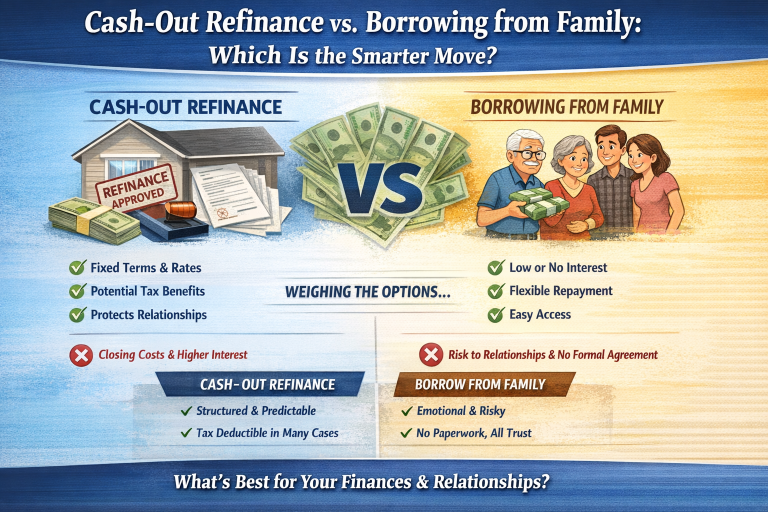
Cash-Out Refinance vs. Borrowing from Family: Which Is the Smarter Move?
You’ve built equity in your home. Maybe a lot of it. At the same time,…
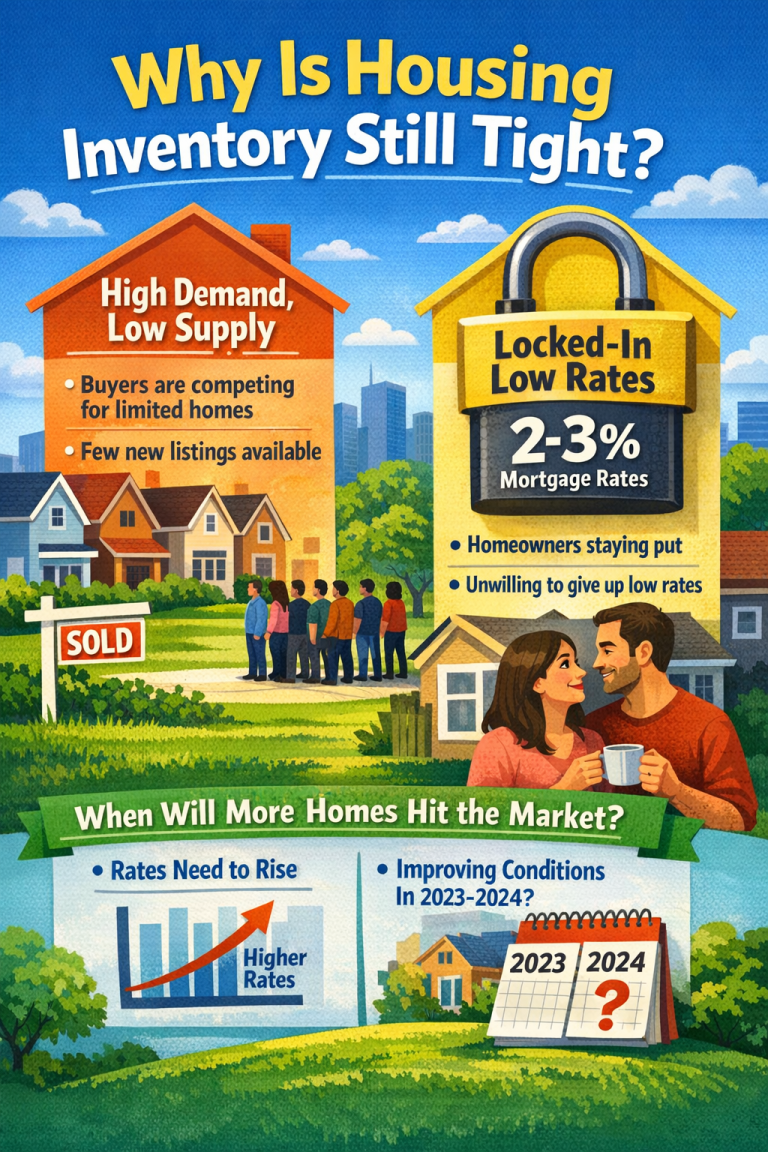
Why Housing Inventory Still Feels Tight—And What Interest Rates Have to Do With It
Let’s start with a simple but powerful scenario. A homeowner locked in a mortgage at…
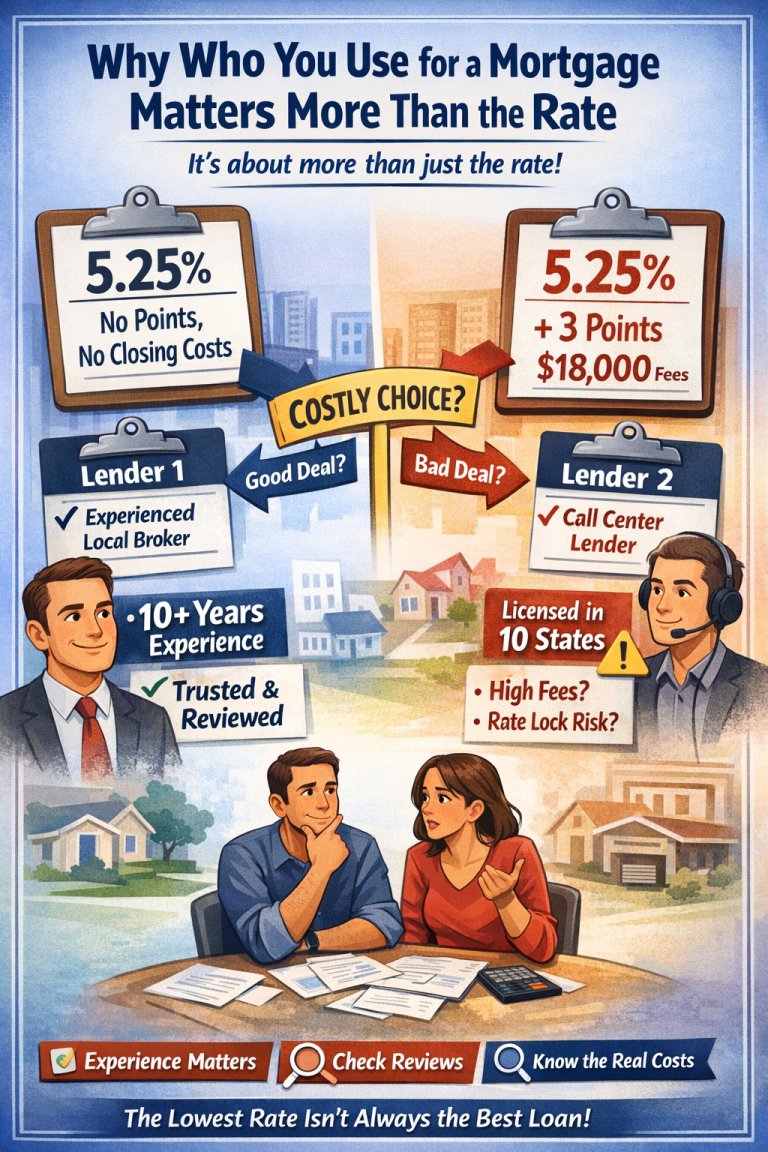
Why Who You Use for a Mortgage Matters More Than the Rate
Who you use for a mortgage loan matters. Let’s walk through a very real scenario…
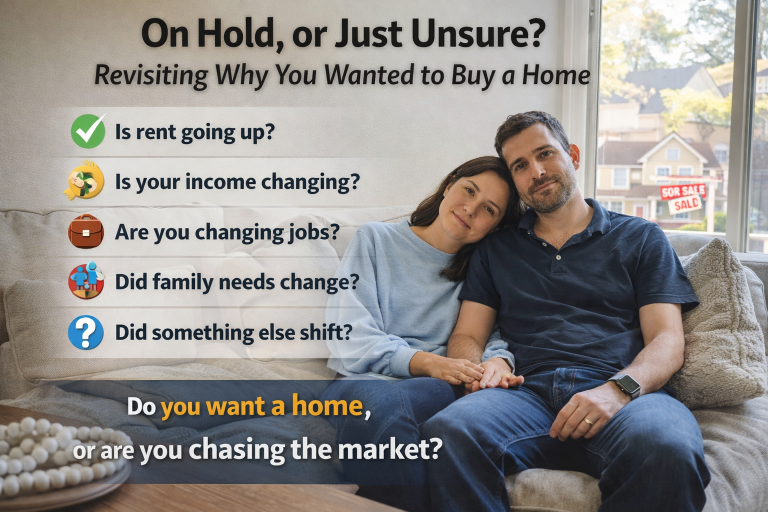
On Hold or Just Unsure? Why You Wanted to Buy in the First Place
Every so often, someone gets pre-approved, looks at homes, runs numbers… and then says, “We’re…
View More from The Mortgage Files:
begin your mortgage journey with sonoma county mortgages
Let us make your mortgage experience easy. Trust our expertise to get you your best mortgage rate. Click below to start turning your home dreams into reality today!