
Divorce is already stressful, and when a mortgage is involved, things can get even trickier. If you and your spouse purchased a home together and now need to figure out what happens next, there are a few key things you should know—especially if you have a conventional loan.
Let’s break it down step by step.
Conventional Loans Are NOT Assumable
If you and your spouse have a conventional mortgage, that loan cannot simply be transferred to one person. Unlike some government loans (like FHA and VA), conventional loans are not assumable.
What Does This Mean?
To remove one person from the mortgage, you have only two options:
- Sell the home and split the equity
- Refinance the loan into one person’s name
Example: How a Mortgage Buyout Works
Let’s say:
- Your home has a mortgage balance of $500,000
- The home’s market value is $800,000
- That means there’s $300,000 in equity
- You and your spouse agree to a 50/50 split of the equity
Each of you would be entitled to $150,000. If one person wants to keep the house, they would need to refinance into a new loan large enough to:
- Pay off the existing mortgage ($500,000)
- Buy out the other spouse’s share of the equity ($150,000)
This means the new loan amount would be $650,000.
The Interest Rate Dilemma
Many homeowners locked in historically low interest rates during the pandemic (2-3% range). However, today’s rates may be significantly higher (potentially 6-7%).
This means refinancing could come with a payment shock—the new loan might have a much higher monthly payment, even if the loan amount isn’t drastically larger.
💡 What to Consider:
- Can the spouse keeping the home afford the new payment?
- Would it be smarter to sell and split the profits instead?
- If a refinance doesn’t make sense, would a second mortgage or home equity loan help cover the buyout?
What If the Mortgage Is an FHA or VA Loan?
Unlike conventional loans, FHA and VA loans are assumable. This means that:
- The spouse keeping the house could assume the loan and keep the same low interest rate.
- However, the departing spouse wouldn’t receive their share of equity unless another loan (like a second mortgage) is taken out.
If you’re dealing with a VA loan, an additional factor is VA loan entitlement—the person leaving the loan may not be able to use their VA loan benefits again until they’re officially removed from the mortgage.
Takeaways
- Conventional loans are not assumable, so the home must be sold or refinanced.
- If one spouse buys out the other, they need enough income to qualify for the new mortgage and cover the equity payout.
- If the original mortgage was from the pandemic era with a low rate, refinancing could mean a much higher monthly payment.
- FHA and VA loans are assumable, which may allow one spouse to stay in the home while keeping the same mortgage terms.
- If equity needs to be split but refinancing is too costly, a second mortgage or home equity loan could be an alternative.
Navigating a mortgage during a divorce is a big financial decision, and every situation is unique. If you need personalized advice on your best options, get a free quote today!
Share:
RELATED MORTGAGE ADVICE FROM SCOTT SHELDON
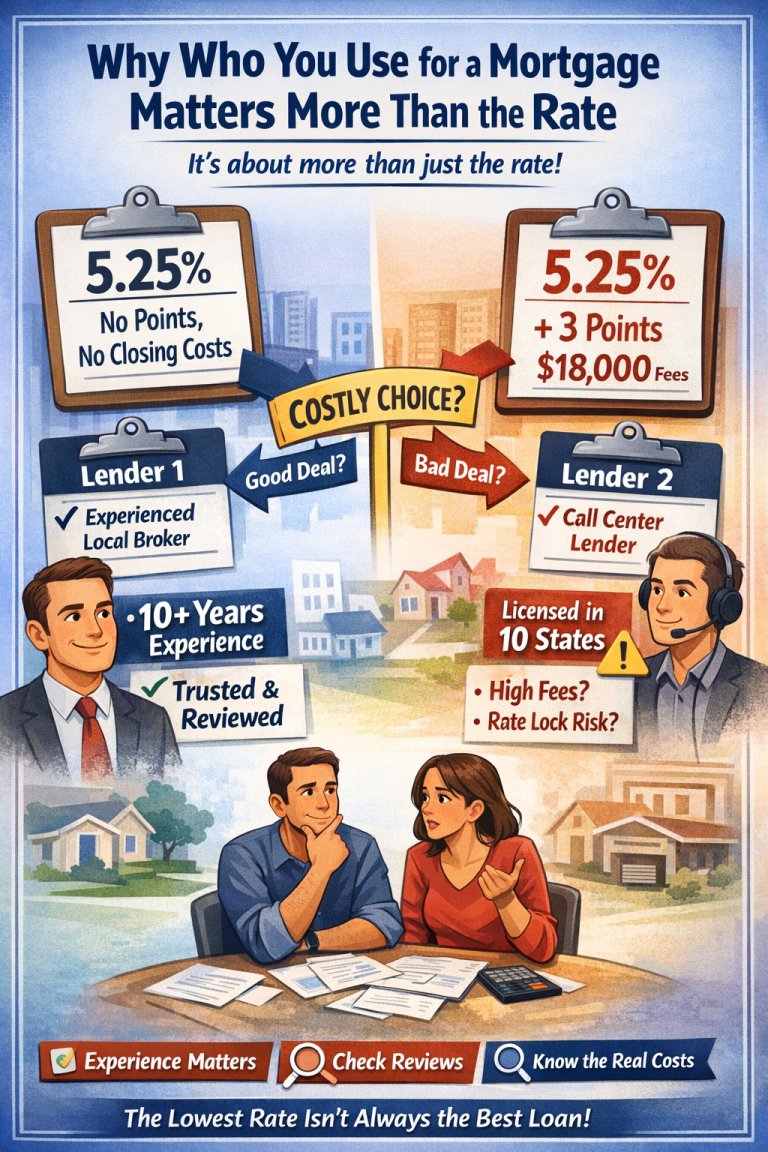
Why Who You Use for a Mortgage Matters More Than the Rate
Who you use for a mortgage loan matters. Let’s walk through a very real scenario…

On Hold or Just Unsure? Why You Wanted to Buy in the First Place
Every so often, someone gets pre-approved, looks at homes, runs numbers… and then says, “We’re…

Should You Pay Off Credit Cards Before Buying a Home?
One of the most common objections home buyers provide is this: “I want to wait…

Building on Land or Manufactured Homes – The Hidden Costs You Need to Know
For many buyers, the idea of buying a vacant parcel of land and building their…
View More from The Mortgage Files:
begin your mortgage journey with sonoma county mortgages
Let us make your mortgage experience easy. Trust our expertise to get you your best mortgage rate. Click below to start turning your home dreams into reality today!