
You’re doing everything right, you’re paying your bills on time, you earn good income, and you’re applying for a mortgage with second thoughts. Maybe you’re trying to buy a new home, and something’s just not right, perhaps the proposed new payment is a financial squeeze. Paying attention to the signs means the difference between making a mistake worth thousands of dollars or choosing the path that makes more financial sense…
Upon applying for a home loan, a lender performs an audit of your credit history, credit score, income, employment status, job history as well as your ability to debt service liabilities. You can be rest assured, if the numbers don’t make sense, and home affordability is problematic for you, it will most certainly be apparent to the lender as well.
5 Cardinal Rules It Pays To Wait To Get A Mortgage Loan
1. Your Debt Is TOO High: If more than 10% of your monthly income goes to liability payments (car loans, credit cards, monthly debt service liabilities), not only will these liabilities hurt your chances of qualifying, they limit how much house you qualify for. *Remember liabilities (debt) erode borrowing power to a ratio of 2:1. In other words, a minimum payment on a credit card at $100 per month, needs $200 per month in income to offset that liability. Something else to consider, how much more manageable would a mortgage payment be without those liability payments?
2. Your Income Is TOO Low: perhaps your income is either eroded by liability payments, or perhaps the income is just not high enough to support a house payment relative to the purchase price range you desire to be at. This differs in many markets, but generally, you need to have enough income to take on at least a total house payment of $1500 per month when buying a home. How much income are we talking about? At a minimum, just shy of $40,000 per year, 55% of a $1,500 mortgage payment.
3. You Don’t Have A Down Payment & Closing Costs- you’ll need it least 3.5% of the purchase price for a down payment. This can be your money or it can be gift money. On house for $300,000 for example, that’s a down payment of $10,500. Gone are the days, of attaining seller credits for closing costs. Typical closing costs are approximately 3% of the purchase price, so that same house for $300,000 translates to an additional $9000 needed for closing costs, for a grand total of $19,500 to be successful in purchasing that home.
4. Your Employment Is Not Stable: possible change of careers? How about a job gap? All of the these potentially not only hurt your potential ability to qualify for the loan, but whether or not a new house payment can be supported with questionable income. This includes changing jobs status, for example going from being a w2’ed wager to self-employed and vice-versa as lenders’ will look at the income you show on paper ( for at least 12 months). If you’re in a transitional state with your employer, and your income is potentially in question, buying a house in such a predicament is a recipe for disaster.
5.Your Credit Picture Is Less Than Stellar: derogatory credit like a bankruptcy or short sale or even a foreclosure? It’s an automatic 2 to 3 year wait to reenter the market. This is a prime opportunity, to save for a down payment and closing costs and/or cleanup the credit history or credit score to purchase a home later on.
*Remember while you might still qualify for the mortgage now, that does not necessarily mean you should buy the property. The long-term prospectus of what that obligation means over time is paramount. Consider the effects the new mortgage payment will have on long-term savings ability, household cash flow and lifestyle. The last thing anyone wants is to be “attached” to their mortgage payment.
If you are are trying to decide whether or not buying a home makes sense or whether or not you should make adjustments as necessary, we can help, contact ScottS@snmc.com for a professional opinion about your situation.
Share:
Posted in:
RELATED MORTGAGE ADVICE FROM SCOTT SHELDON
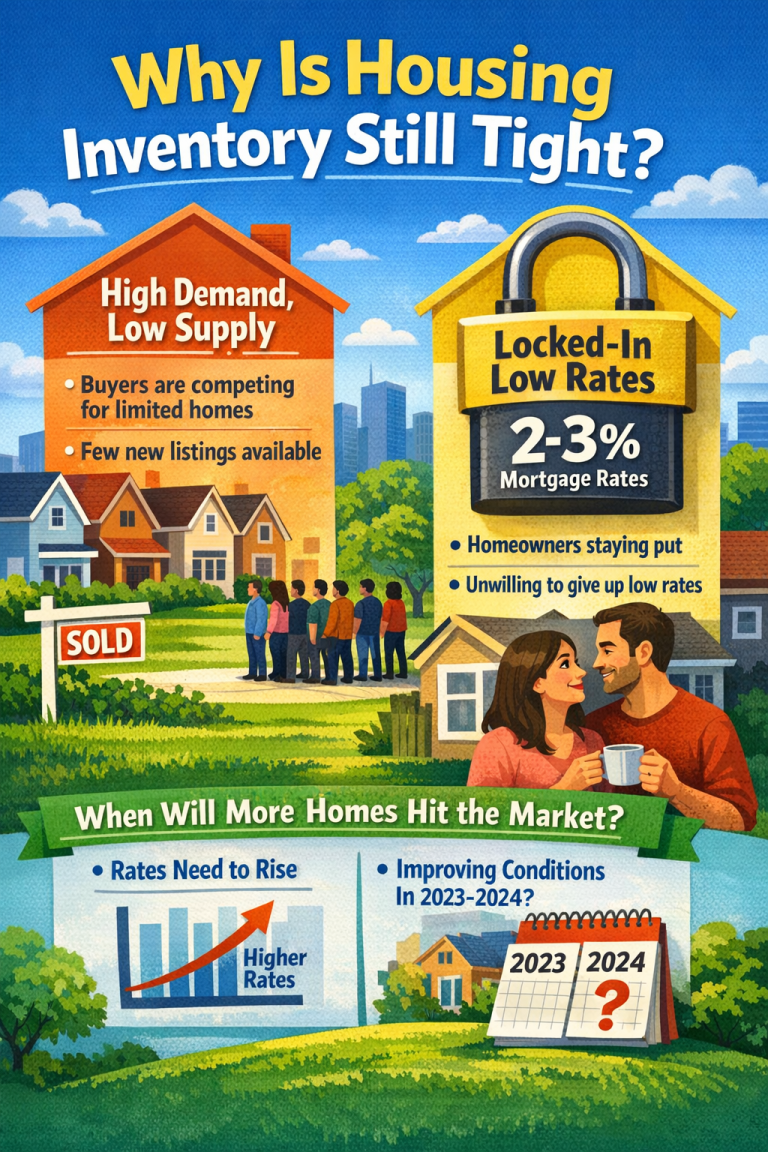
Why Housing Inventory Still Feels Tight—And What Interest Rates Have to Do With It
Let’s start with a simple but powerful scenario. A homeowner locked in a mortgage at…
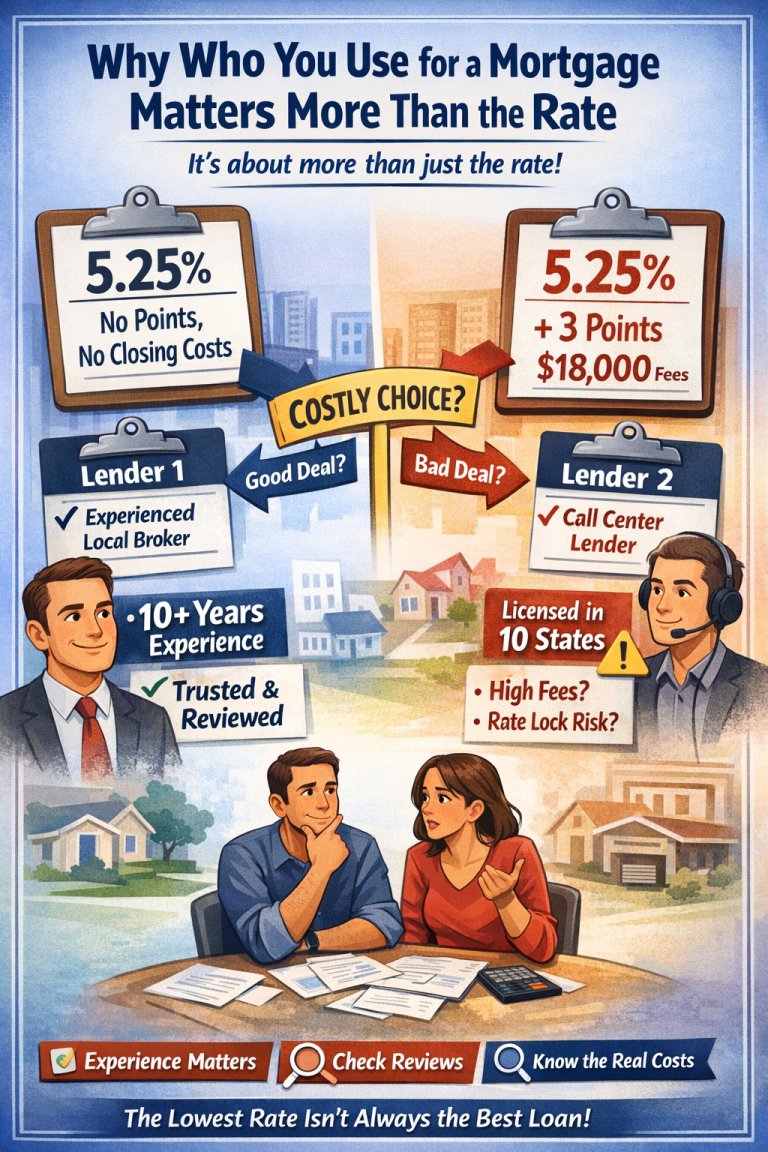
Why Who You Use for a Mortgage Matters More Than the Rate
Who you use for a mortgage loan matters. Let’s walk through a very real scenario…

On Hold or Just Unsure? Why You Wanted to Buy in the First Place
Every so often, someone gets pre-approved, looks at homes, runs numbers… and then says, “We’re…

Should You Pay Off Credit Cards Before Buying a Home?
One of the most common objections home buyers provide is this: “I want to wait…
View More from The Mortgage Files:
begin your mortgage journey with sonoma county mortgages
Let us make your mortgage experience easy. Trust our expertise to get you your best mortgage rate. Click below to start turning your home dreams into reality today!